

Redesigning the game: inside the new Portomaso Casino
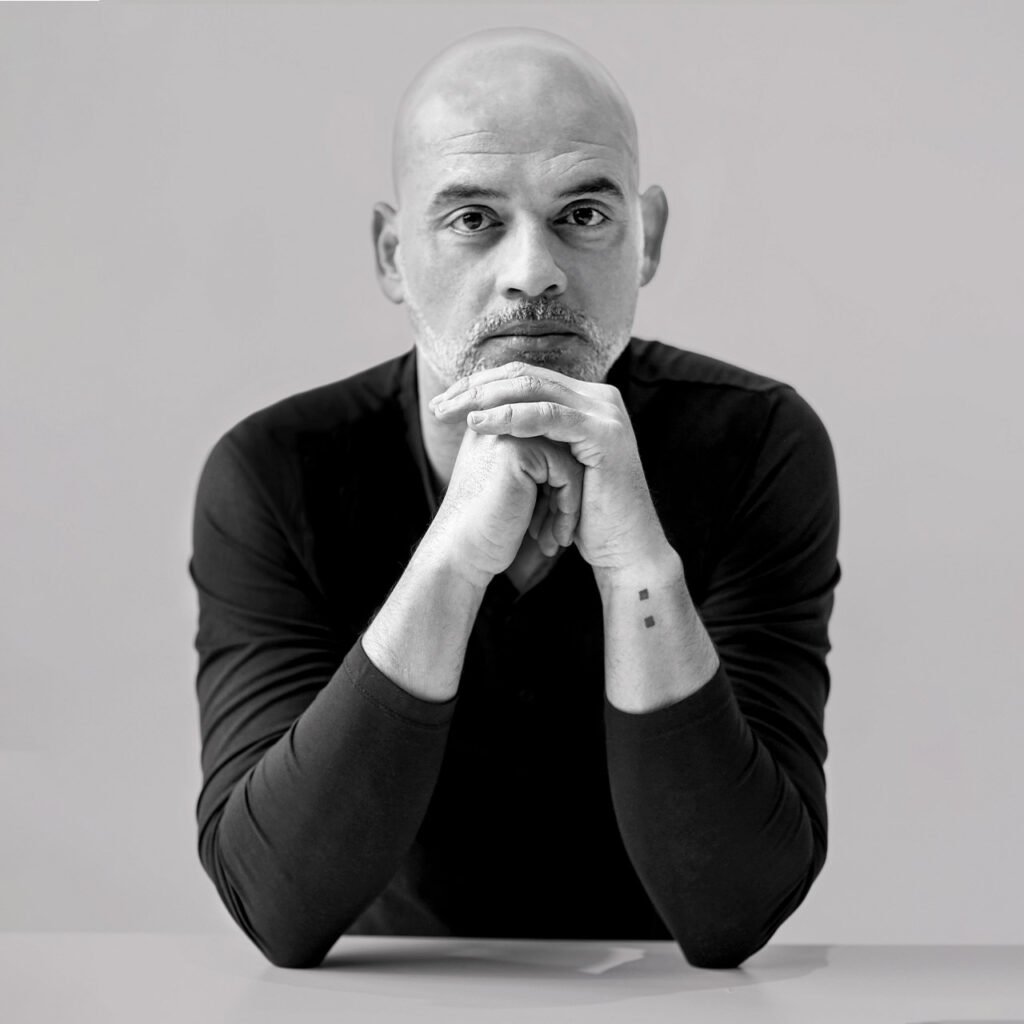
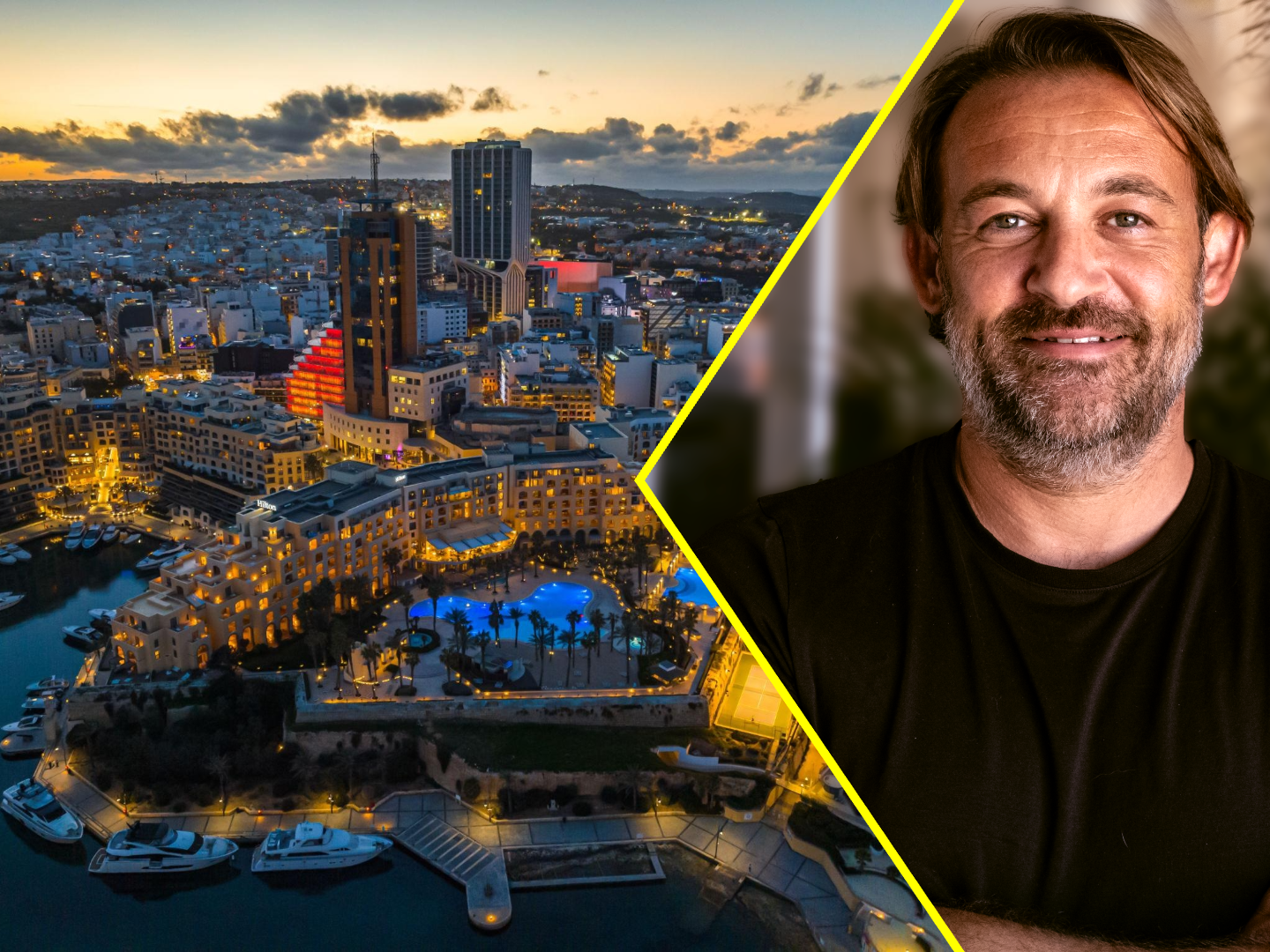
Keith Pillow, founder and creative director of DAAA Haus, breaks down the thinking behind the Portomaso Casino refurbishment—an intentional shift away from excess towards restraint, flow, and experience, redefining what a modern casino can feel like in Malta's evolving hospitality landscape.
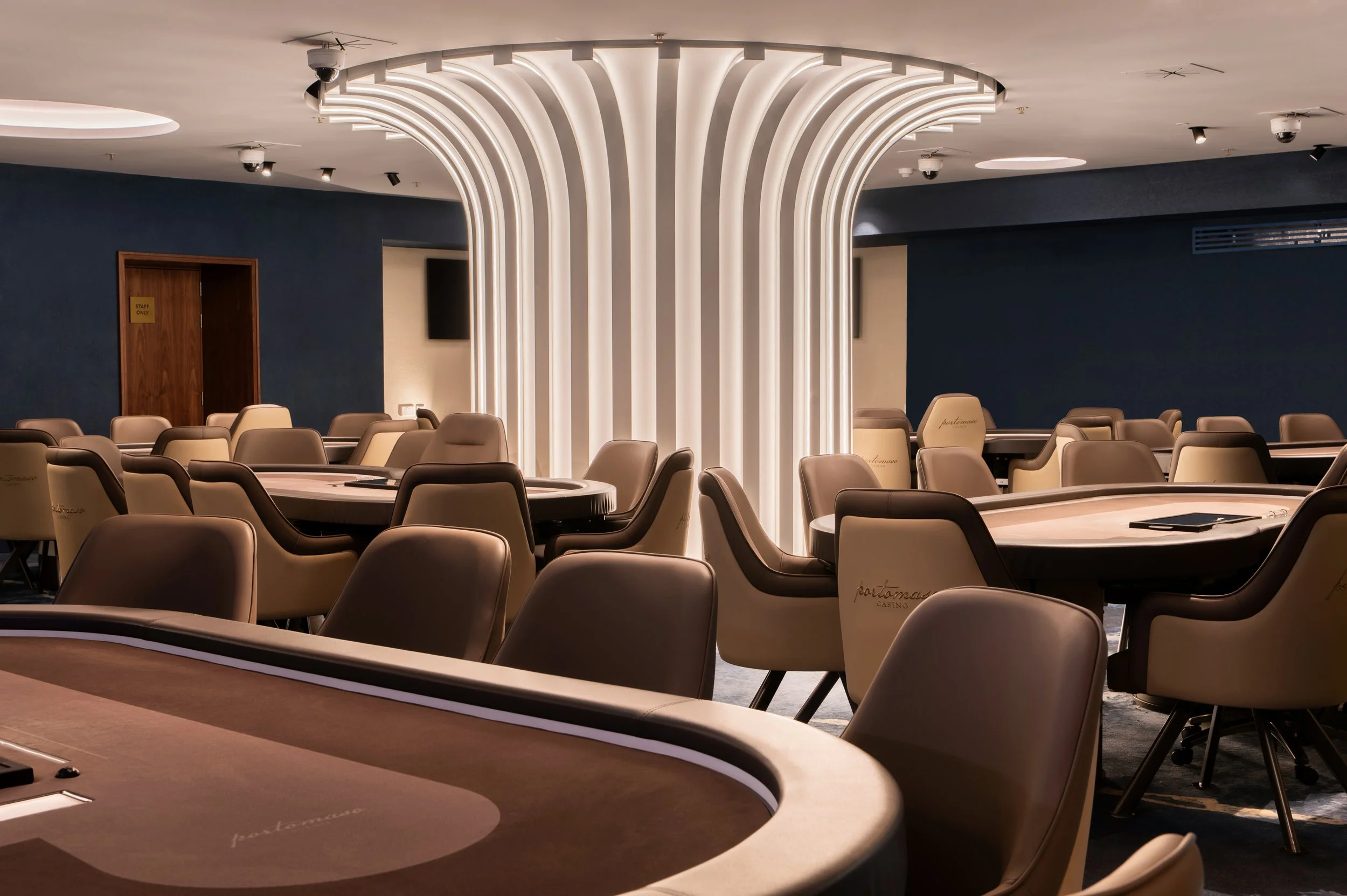
The Portomaso Casino refurbishment introduces a much more refined, almost lounge-like atmosphere. What was the core concept driving the redesign, and how did you want players to feel when entering the space?
The core idea was to move away from the typical casino language of glitz, gold, and dark reds and instead create a more refined, lounge-like environment. We wanted a space that feels consistent both day and night, calm, elegant, and immersive rather than overwhelming.
Given the casino's unique location within Portomaso Marina, we drew inspiration from a marine and yachting context. The palette, materials, and detailing reference what you would typically find in luxury superyachts: rich timbers, soft textures, and controlled lighting.
The intention was for players to feel relaxed, comfortable, and engaged, more like entering a sophisticated members' lounge than a traditional casino.
Casino environments are typically intense and high-energy, yet your design introduces softer lighting, curves, and a more intimate spatial rhythm. Was this a deliberate shift away from traditional casino design typologies?
Yes, very much so. It was a deliberate continuation of the idea of moving away from the traditional casino typologies.
Instead of creating an intense, overstimulating environment, we focused on softening the experience through lighting, materiality, and spatial flow. Curves replace rigid layouts, lighting is layered and controlled, and spaces are broken down into more intimate zones rather than one large gaming floor.
The aim was not only to enhance the player experience but also to reposition the casino as a destination for a night out, even for non-players. By introducing a more relaxed, lounge-like atmosphere, the space becomes social, approachable, and versatile, a place you can enjoy regardless of whether you are there to play or simply to spend time.
There's a strong emphasis on materiality—from marble flooring to brushed metals and sculptural lighting features. How did you select and balance these elements to elevate the space without overwhelming it?
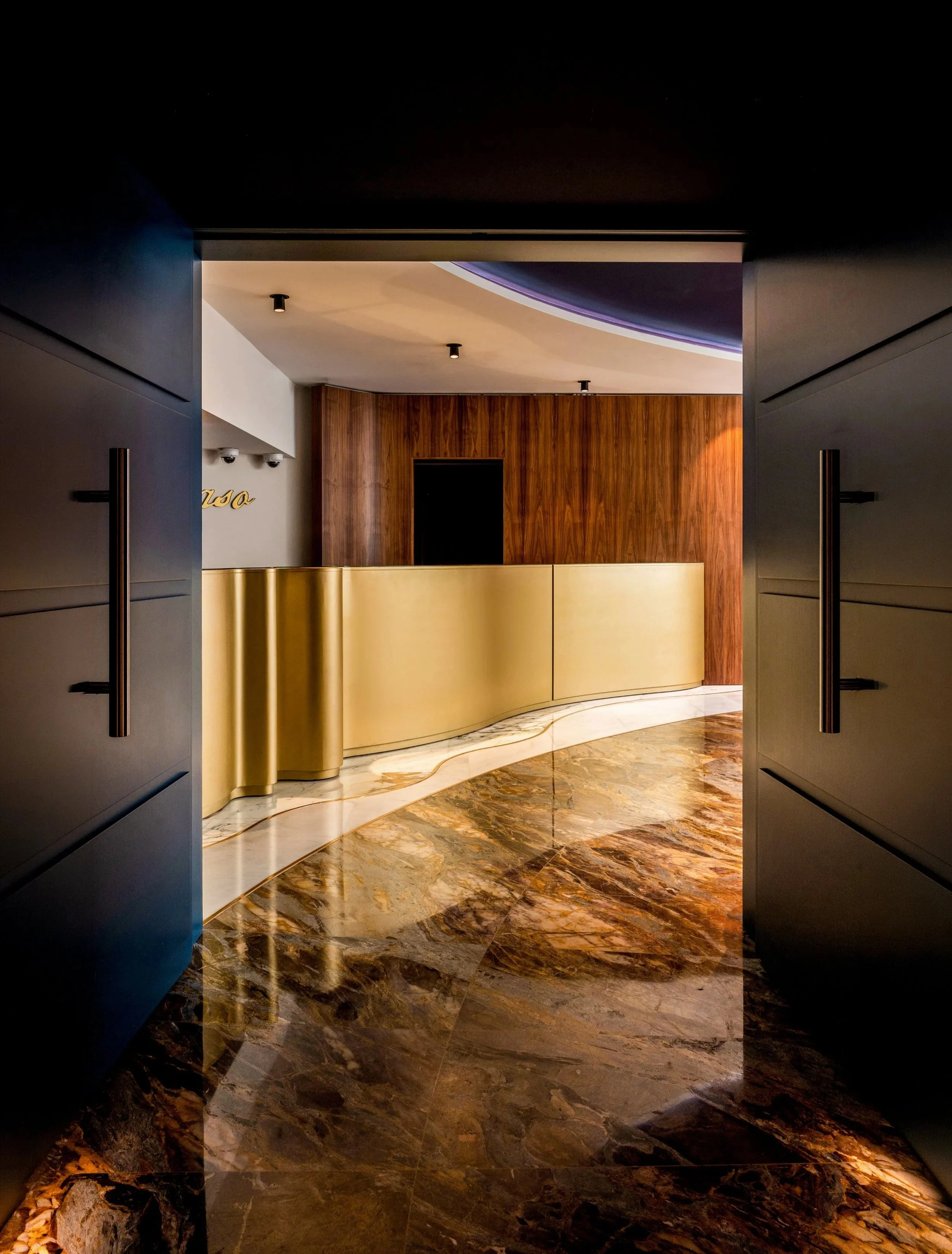
The idea of flow always guided materiality. We drew inspiration from the movement of waves breaking on a reef, using soft, continuous curves to guide people naturally through the space's different areas.
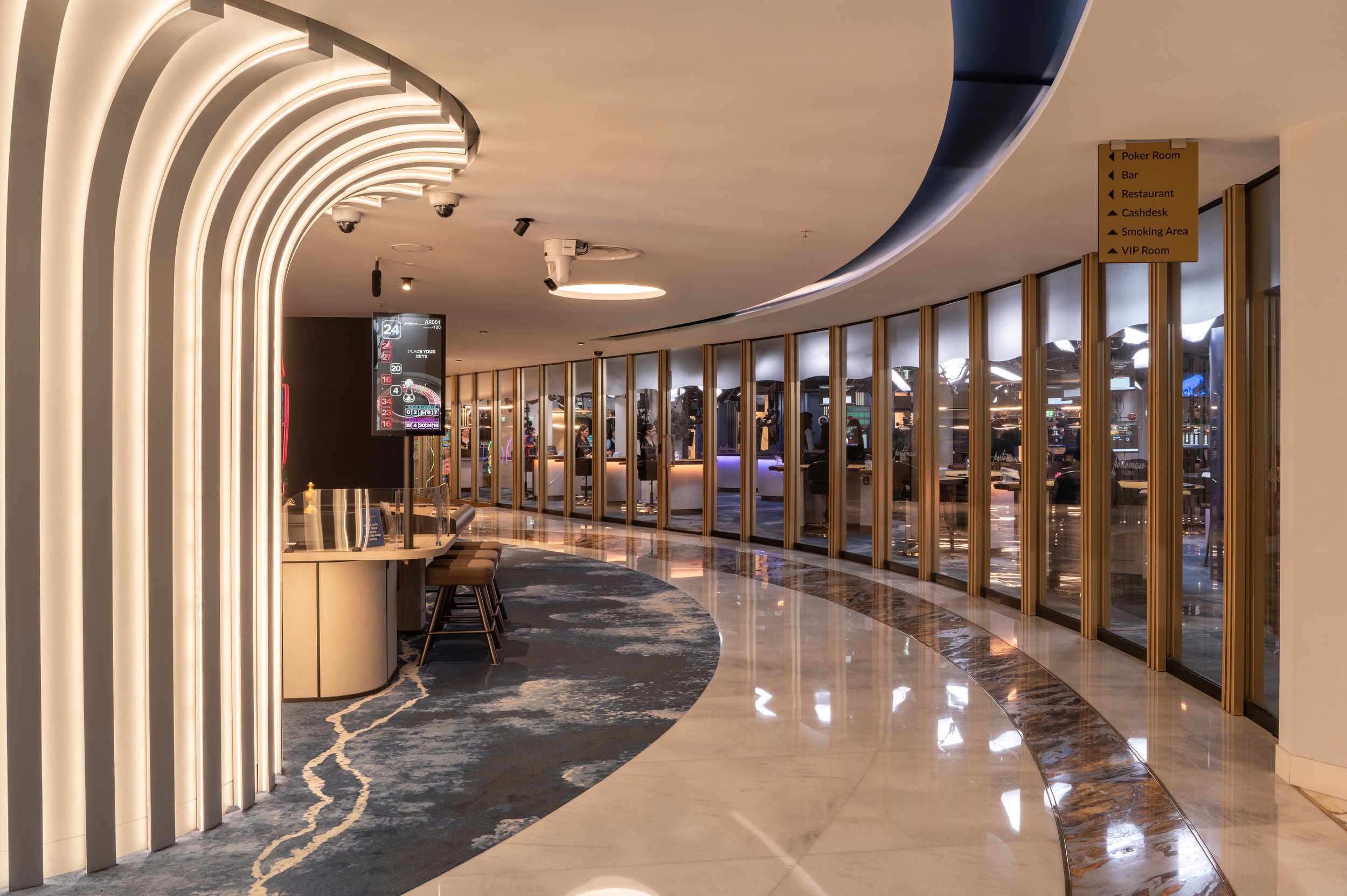
Rather than creating contrast through separation, we allowed materials to blend into one another, forming layers, depth, and subtle transitions. Marble, brushed metals, and lighting elements are not competing features, but part of a continuous composition.
At the same time, the detailing, particularly in the custom furniture, draws on high-end superyacht interiors, adding a refined sense of luxury without becoming excessive. The balance comes from restraint, allowing each element to contribute without overwhelming the whole.
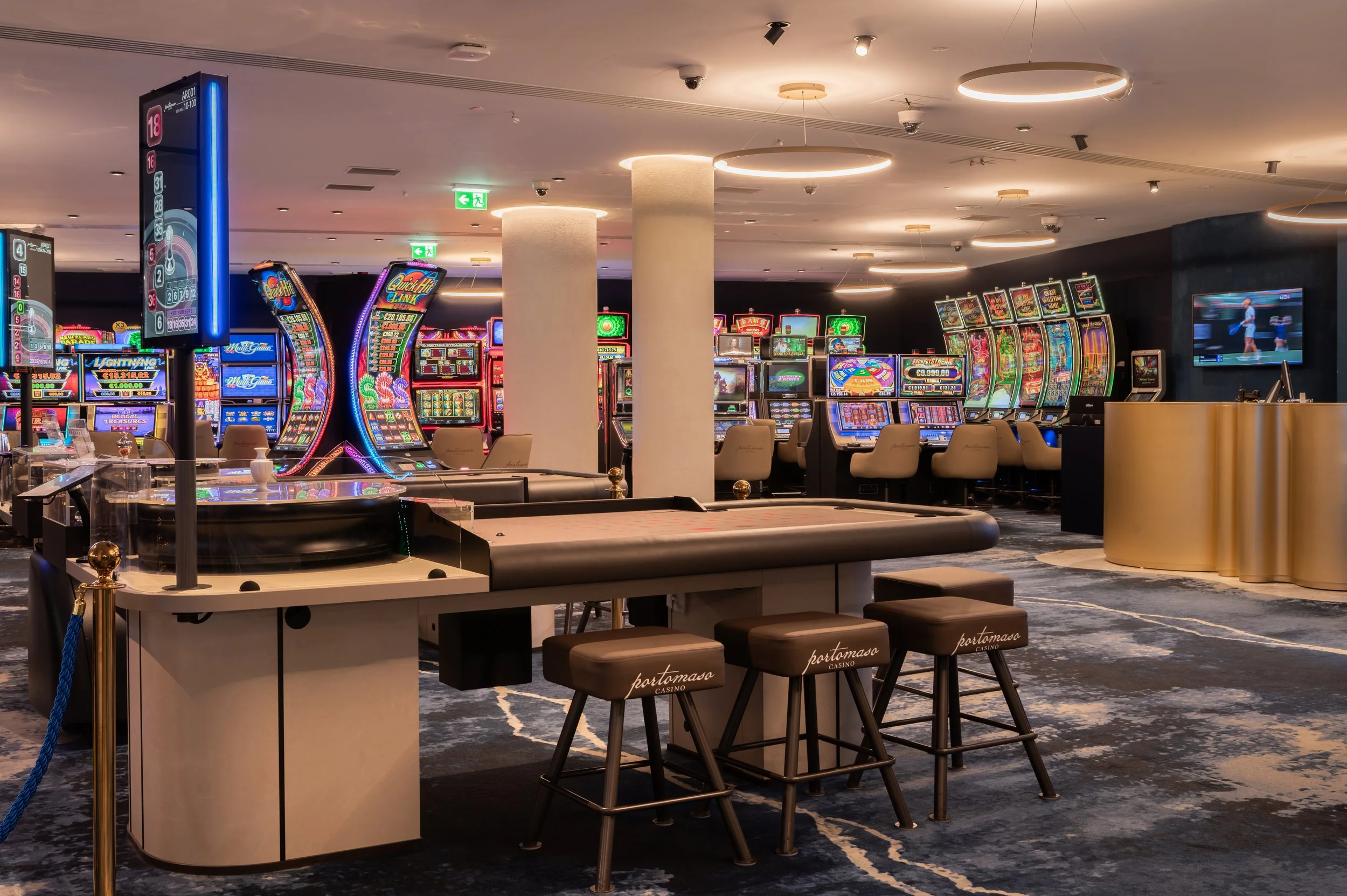
From a functional perspective, casinos are highly operational spaces with strict requirements around flow, visibility, and security. How did these constraints shape the design decisions behind the layout?
From the outset, we approached the project as a highly collaborative process, working closely with a wide team of technical experts, including operations managers and customer care, as well as security, AV, lighting, and M&E consultants.
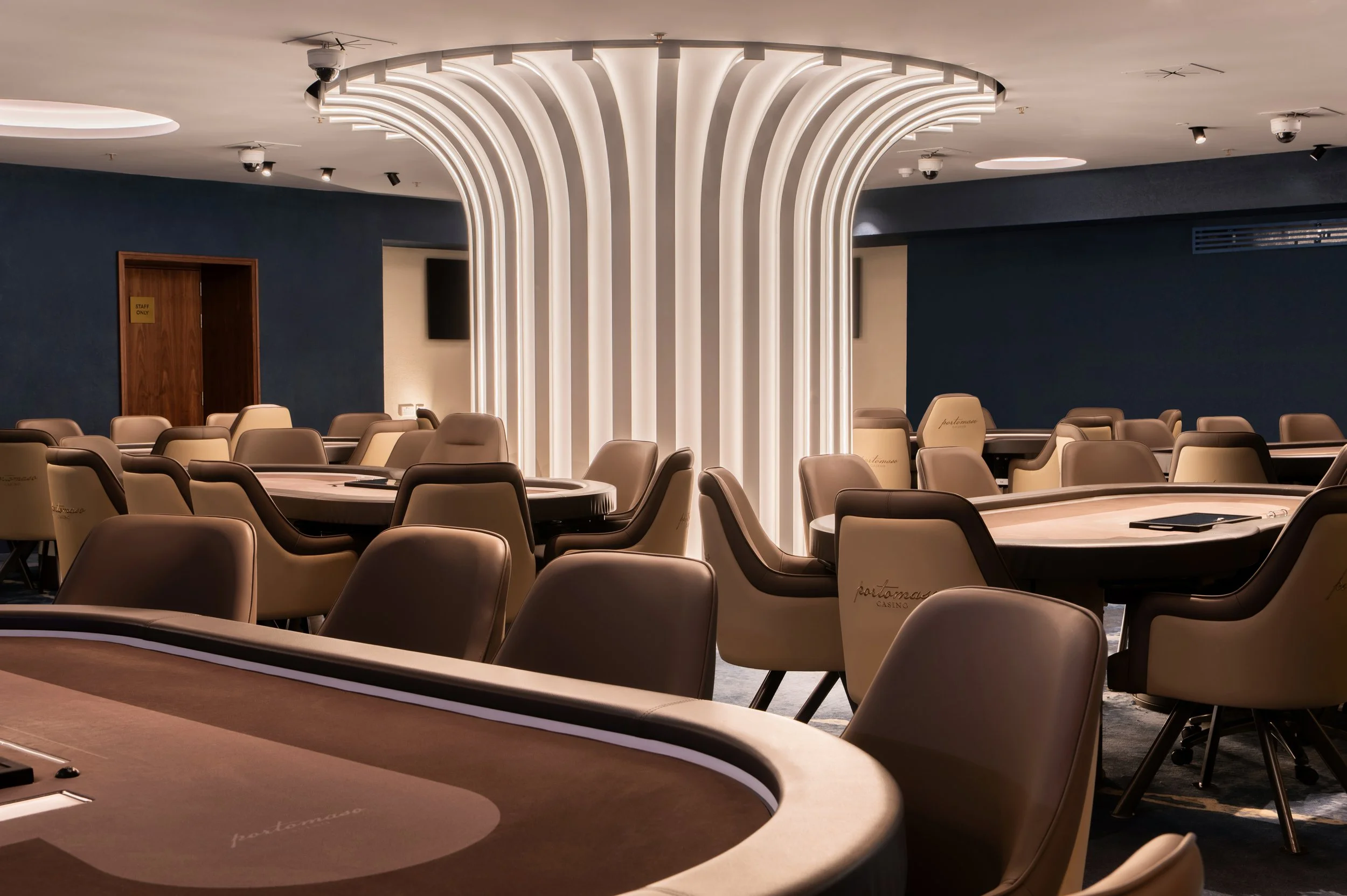
Casino environments are complex, and every element, from the positioning of tables to lighting levels and camera coverage, needs to function seamlessly without conflicting with one another. These constraints didn't limit the design; they helped inform it.
Tumas Group's experience was fundamental to this process. Their operational knowledge enabled us to balance flow, visibility, and security while maintaining the design's integrity. The result is a space that feels effortless to the guest but is highly coordinated behind the scenes to ensure smooth, efficient operation.
The VIP and gaming areas feel distinctly curated, almost theatrical. How important was it to create differentiated experiences within the casino, and how did design help reinforce that hierarchy?
Creating differentiated experiences was very important, but we approached it with subtlety rather than separation.
The VIP and special gaming areas are designed to blend seamlessly with the casino's overall language, yet are discreetly positioned and enriched with higher levels of detailing, comfort, and privacy. High-value players are often accustomed to the best environments and typically prefer more intimate, controlled spaces, so the goal was not just to meet but to exceed those expectations.
At the same time, these areas are designed to be flexible and multifunctional. During major international tournaments, they can expand and integrate with the main casino floor or operate as exclusive breakout spaces. This allows the design to support both everyday operations and larger-scale events without compromising the overall experience.
Looking at the final result, how do you see the Portomaso Casino repositioning itself within Malta's entertainment and hospitality landscape—and what role does design play in that evolution?
For us, the result was to create a high-quality gaming and entertainment experience that goes beyond the design itself.
The design plays a key role in helping Tumas differentiate Portomaso Casino from other venues in the market. It repositions the casino as a more refined, contemporary destination, not just for gaming, but for a complete night-out experience.
We hope it will be enjoyed by both regular guests and new audiences over the coming years. At the same time, high-traffic venues like this require continuous evolution. Tumas Group understands this very well. They are never afraid to reinvest, push standards, and set new benchmarks within the industry.



As Malta's property market matures, Zanzi's Steve and Michael Mercieca discuss technology, trust, governance and why the next decade will favour disciplined operators over growth-at-all-costs ambition.