
THE REAL
ESTATE &
SUSTAINABILITY
EDITION
Malta has approved nearly 88,000 homes in a decade, but who is shaping the country's built future? Vanessa Macdonald examines planning, sustainability, governance, and the competing visions that define tomorrow's Malta.
Drawing on new findings from Malta's National Housing Satisfaction Survey, Matthew Zerafa and Brian Micallef examine the relationship between residential satisfaction, community environments, and quality of life.
As Malta strengthens construction regulation, questions remain over who supports families forced from their homes. Lea Hogg speaks with Dr Vincent Micallef about the gaps between displacement and recovery.
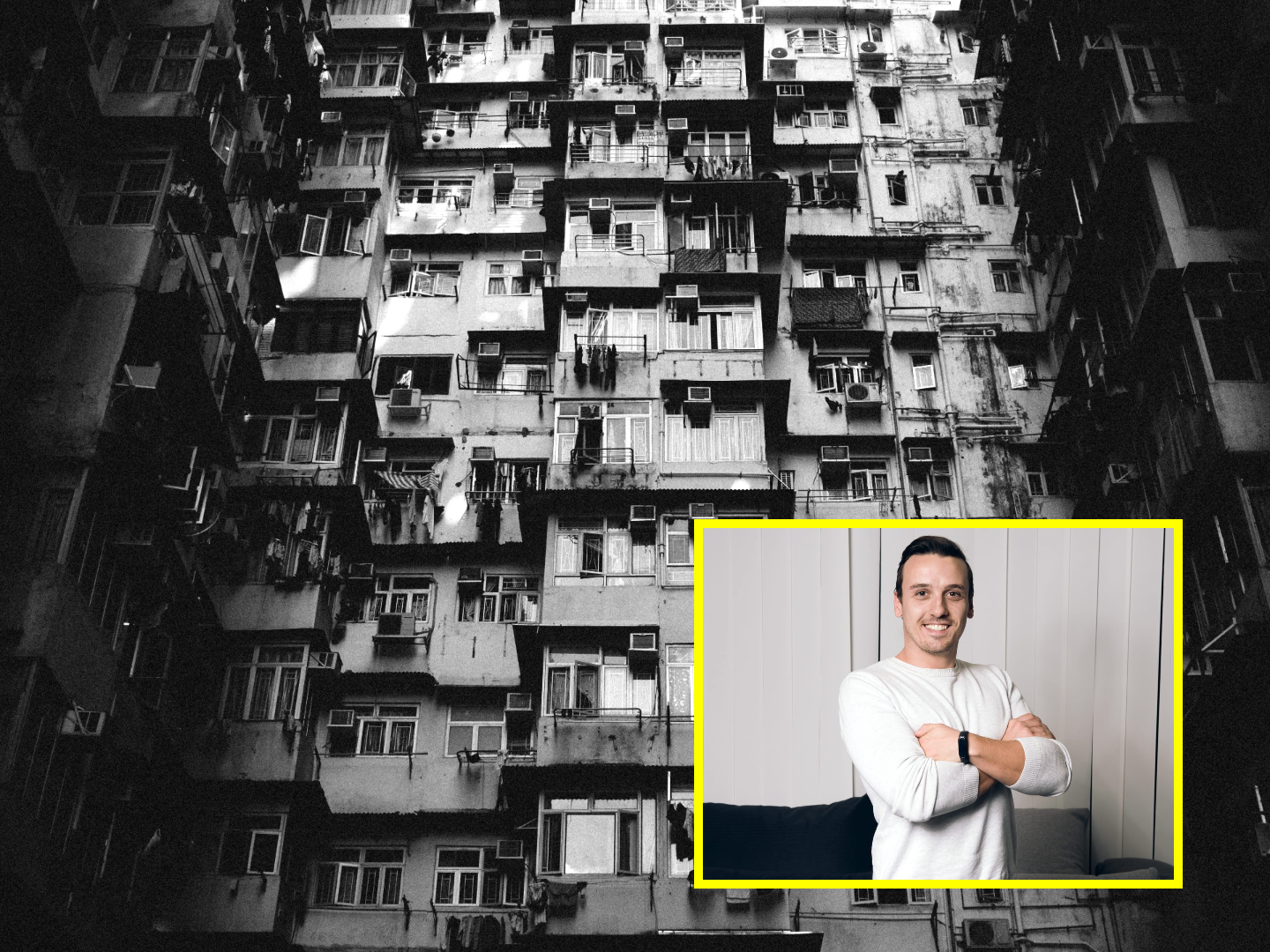
As Malta's urban landscape evolves, psychosocial coach Claire Bugelli explains why belonging, community and human connection should become central considerations for developers, architects and anyone shaping the built environment.
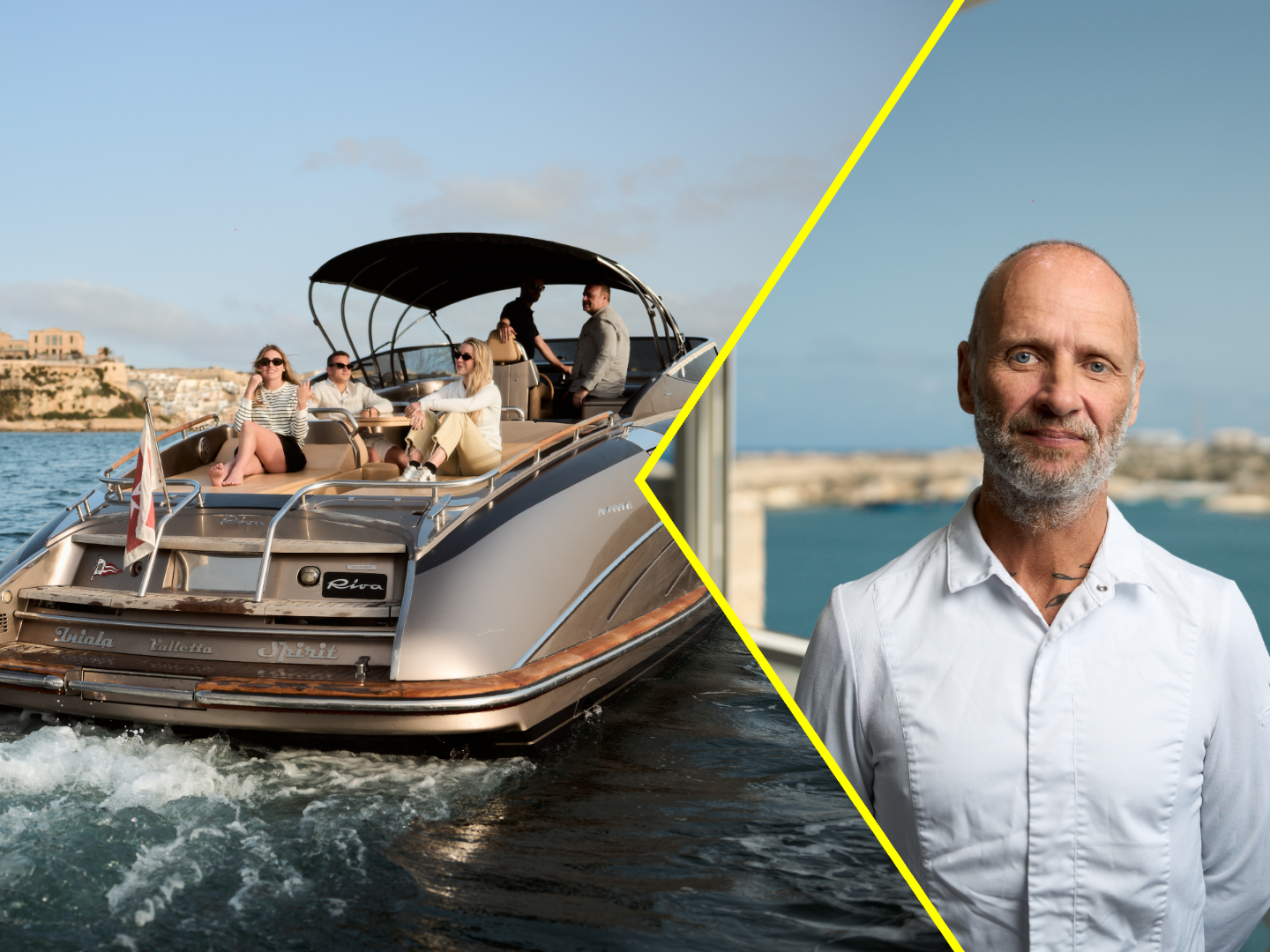
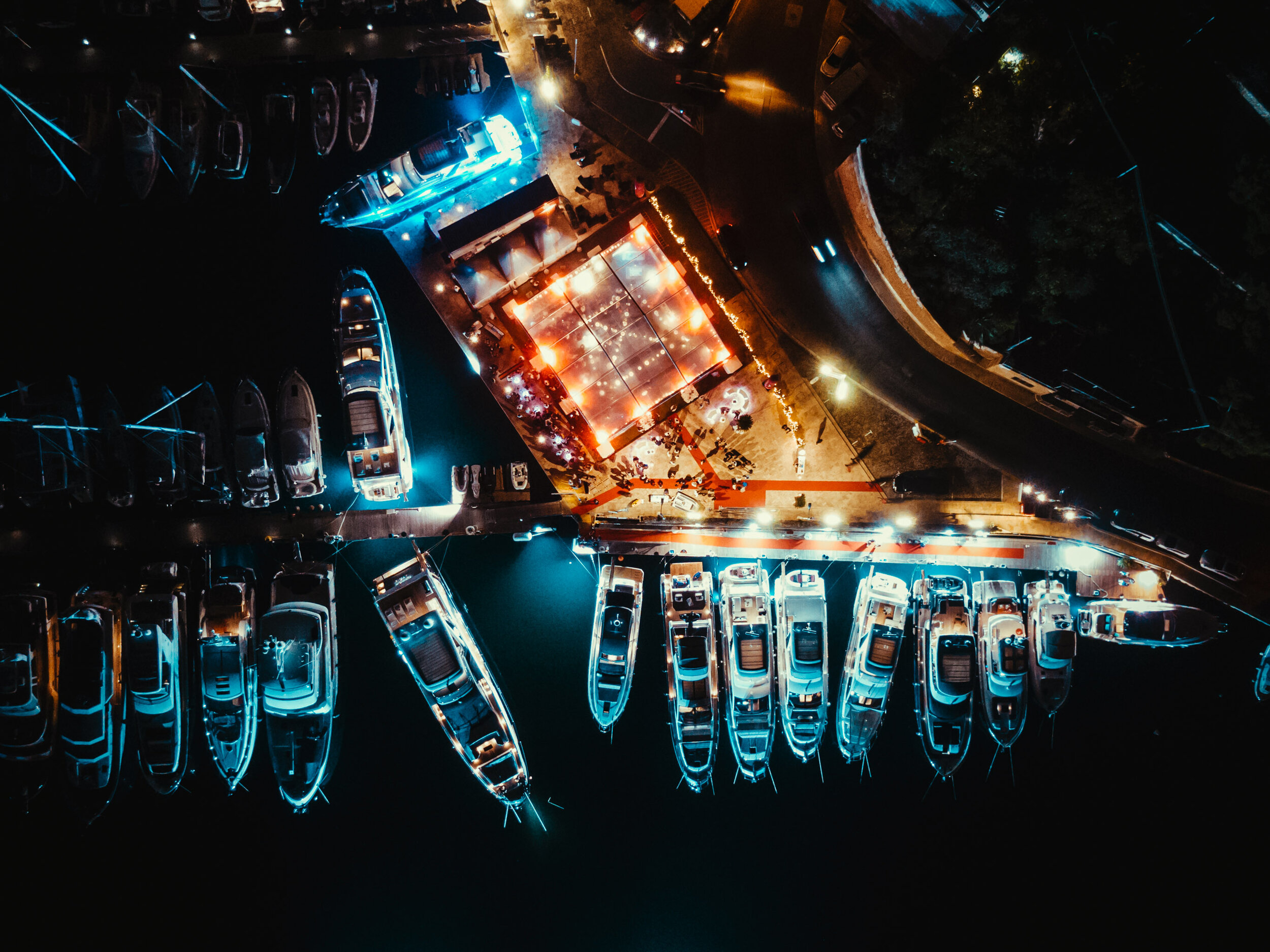
With ION at Sea, Simon Rogan is taking Malta's only two-Michelin-starred dining experience beyond the restaurant walls, combining exceptional cuisine, luxury hospitality and the beauty of the Mediterranean.
Commercial real estate advisor Etienne Licari and real estate valuer Justin Mizzi draw on years of experience to reveal the costly mistakes businesses make when renting office space in Malta – and how to avoid them.
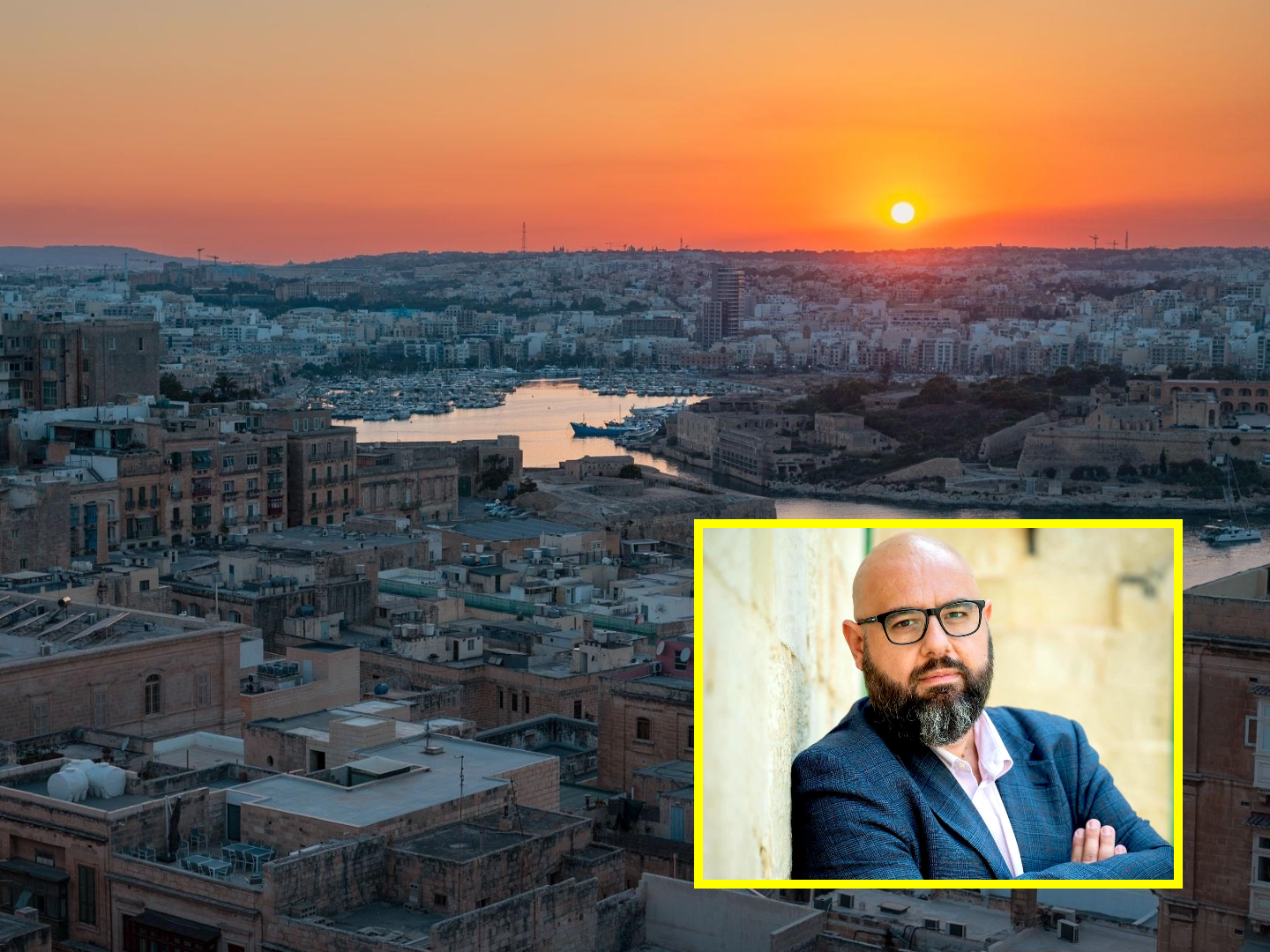
As Malta looks beyond economic growth, JP Fabri argues that the future of real estate should be measured not only by property values, but by the communities, opportunities and quality of life it creates.
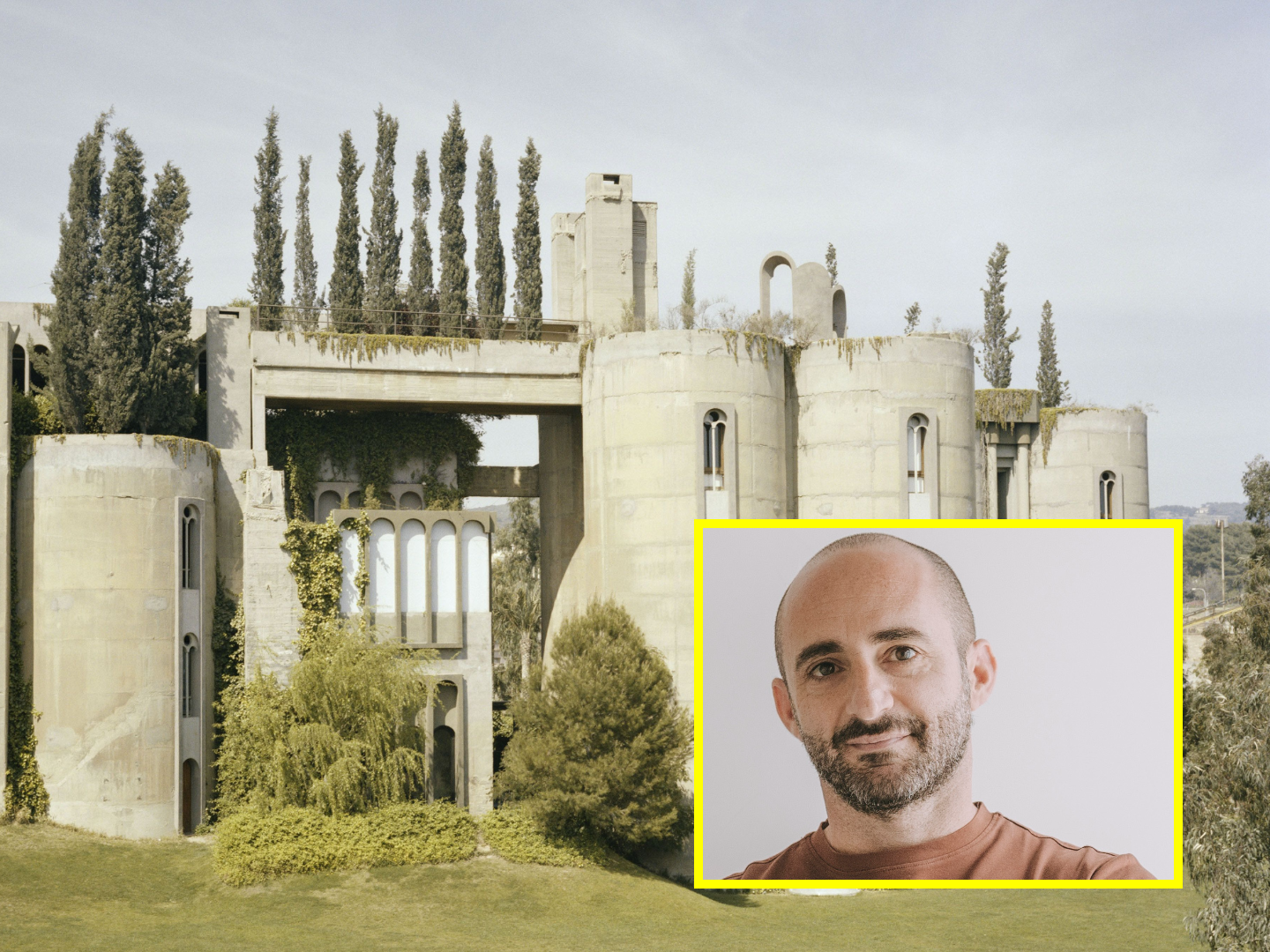
As a third-generation leader at Tumas Group, Zak Fenech discusses legacy, sustainability, changing buyer expectations, and why Malta's future depends on building better, not simply building more.
Despite record GDP growth, many Maltese businesses are feeling the squeeze. Simon Azzopardi explores why Malta has become two economies—and what must change to secure sustainable prosperity.
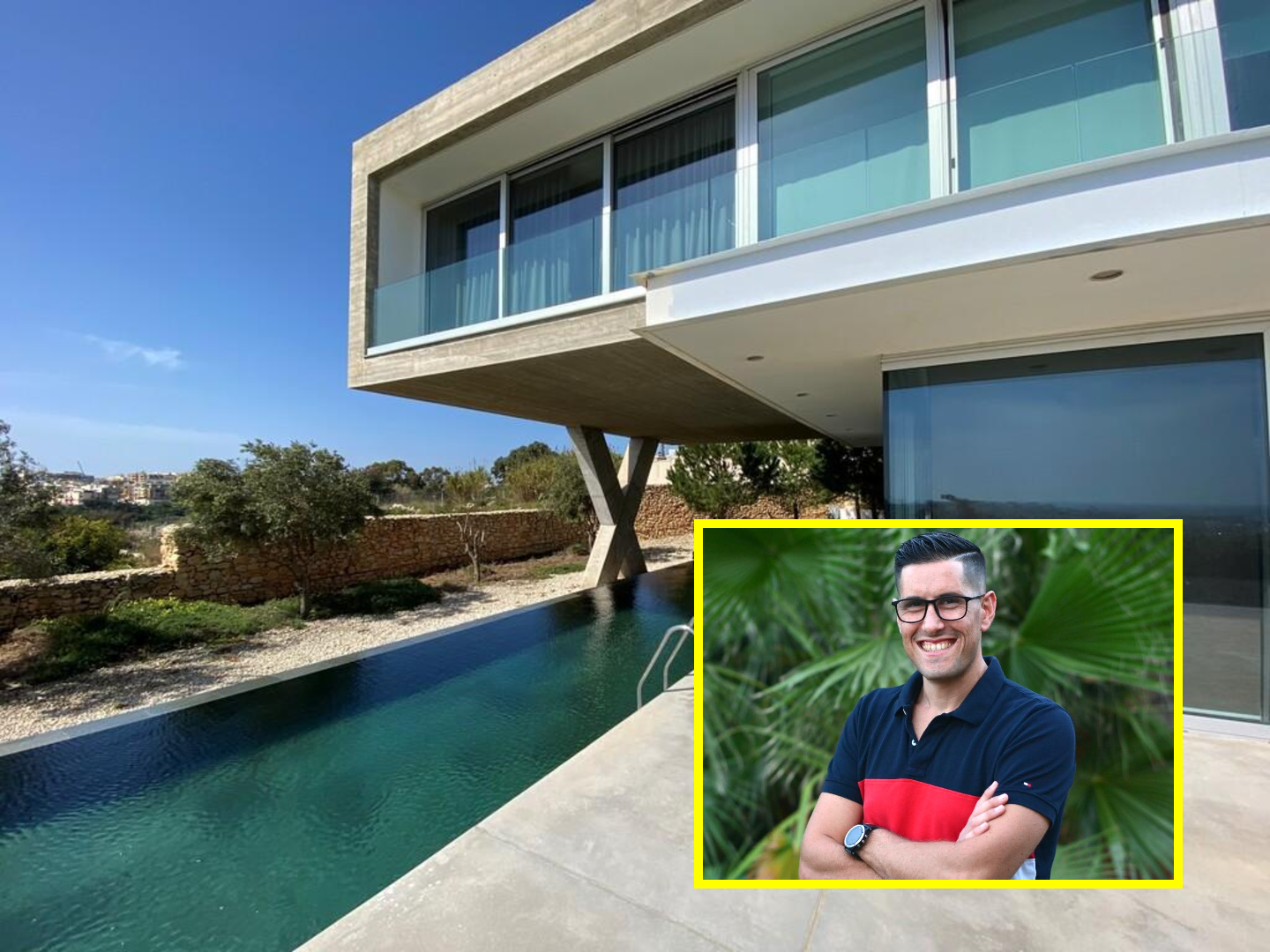
As land becomes scarcer and development costs rise, Steve Risiott argues that Malta's greatest real estate opportunities may lie not in new construction, but in the authenticity of existing buildings.
As Malta's skyline continues to evolve, Manuel Delia explores how architecture, memory and urban planning shape not only our cities, but the society we are building for future generations.
Stephen Mallia explores how advanced construction materials are helping redefine Malta's real estate sector, enabling more sustainable, resilient and architecturally ambitious developments while creating stronger long-term investment value.
Modern life rarely slows down. Laura Maciulskaite explores how decluttering, mindfulness and intentional living can help reduce stress, restore balance and create space for greater wellbeing and clarity.
Eurostat data suggests Malta is losing homeowners faster than any other European country. But does the headline tell the whole story? MONEY explores the numbers behind Malta's changing housing market.
In MONEY’s cover story, Dayna Camilleri Clarke sits down with Dr Silvio De Bono to discuss leadership, growth and the thinking behind IDEA Group — and what it takes to anticipate Malta’s next chapter.
Dayna Camilleri Clarke, in conversation with psychotherapist Danjela Falzon, explores how design directly impacts mental wellbeing — and why Malta’s built environment must start putting people, not just space, first.
In this analysis, Justin Mizzi examines Malta’s shift from volume-driven tourism to a value-led model, questioning whether current regulations can truly deliver quality, design excellence, and long-term sustainability.
Economist JP Fabri explores why Malta must start thinking like a city, not a country — and how smarter urban design, infrastructure and density could determine the island’s long-term economic performance.
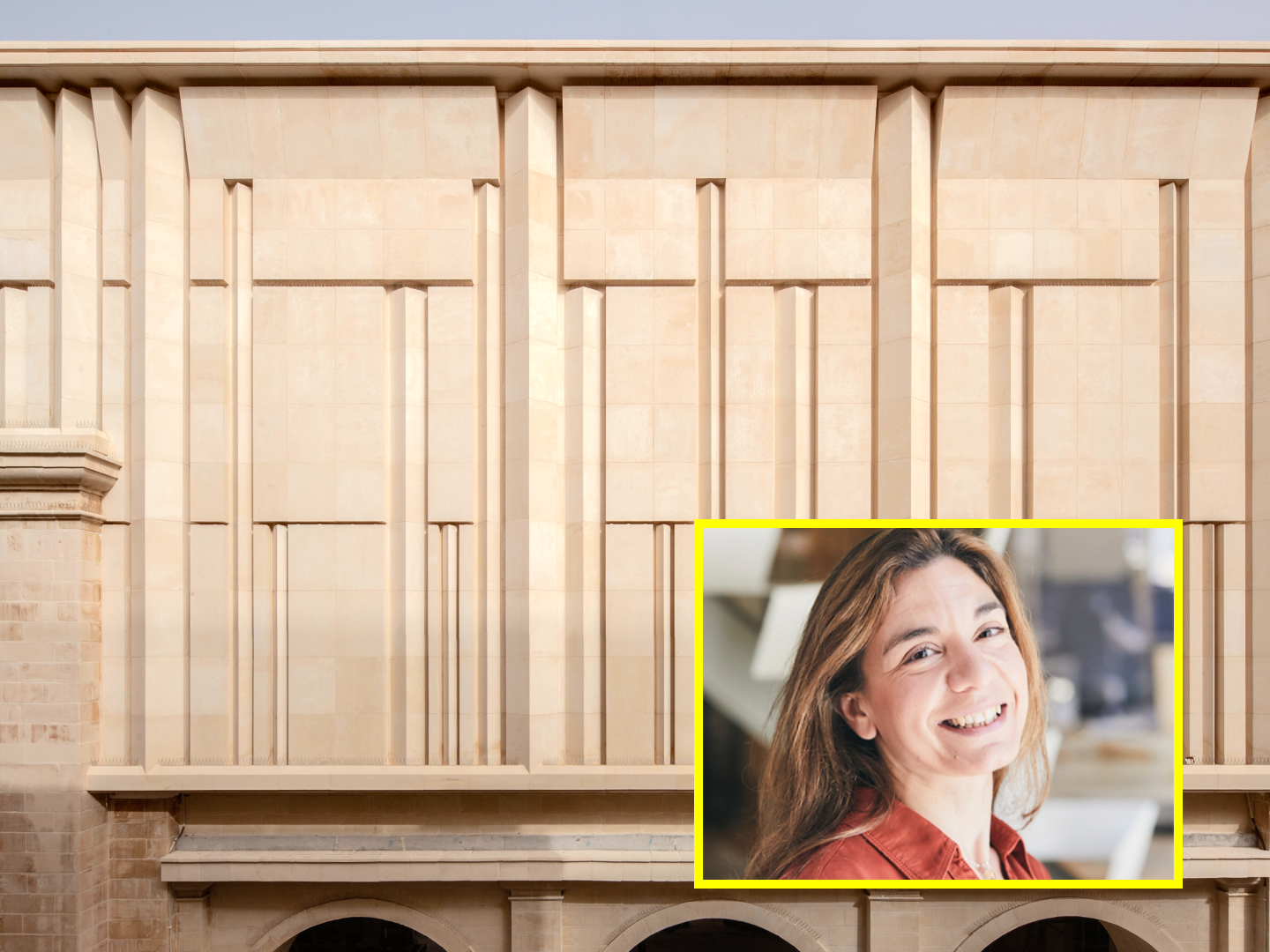
Architect Danica Cachia Mifsud takes readers inside the new St John’s Co-Cathedral Museum façade in Valletta. Built from 2,370 carved stones, the project balances heritage, craftsmanship and modern precision — where every architectural decision becomes part of the city’s evolving story.
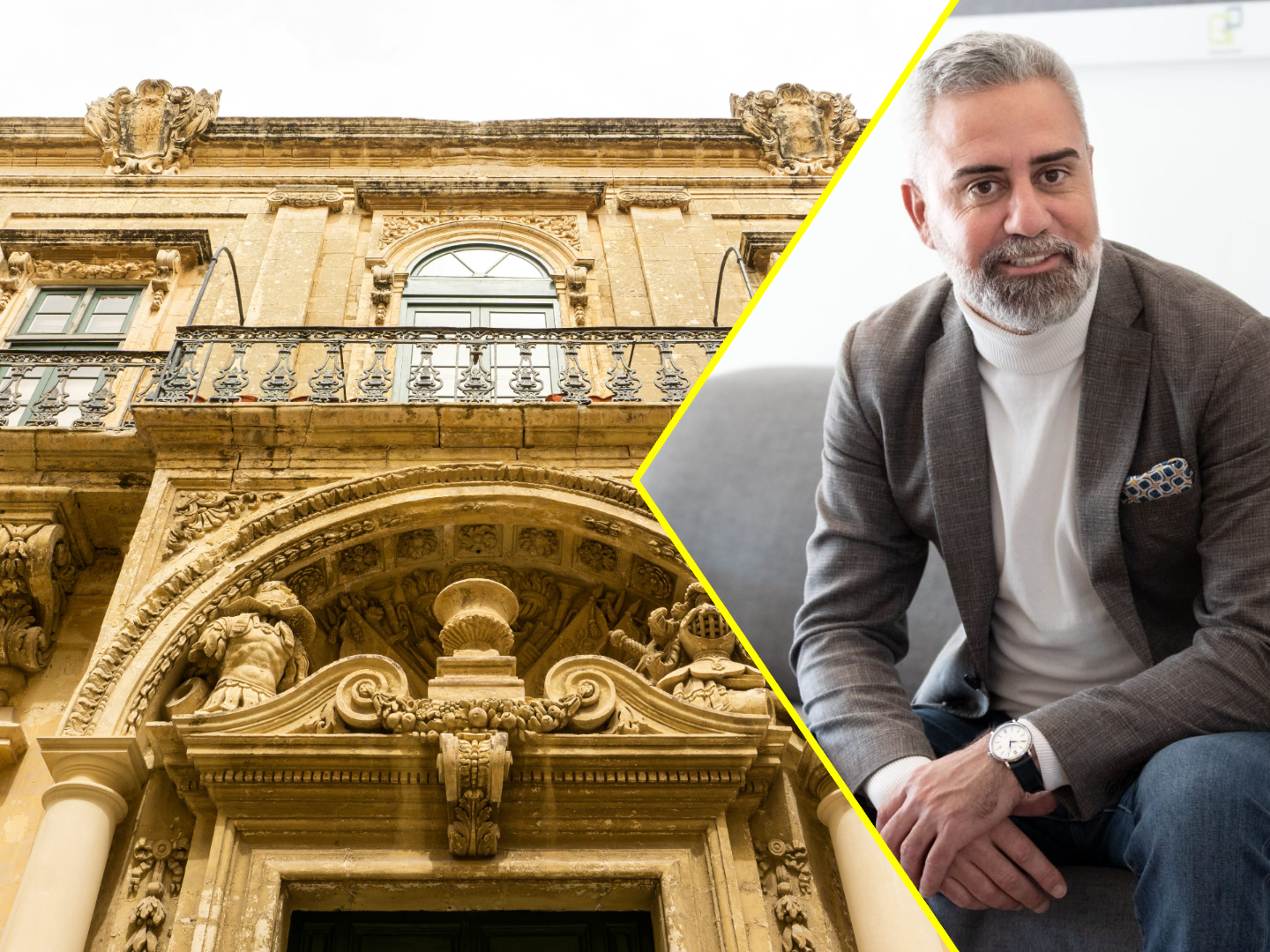
Archaeologist and heritage specialist Edward Calleja reads buildings through material, memory and time. In conversation with Lea Hogg, he reflects on Malta’s evolving skyline and what it takes to build for the long term.
Malta’s planning debate goes far beyond skylines and aesthetics. Manuel Delia argues that weak governance, inconsistent enforcement, and blurred rules are distorting markets, damaging investor confidence, and increasing the long-term cost of doing business.
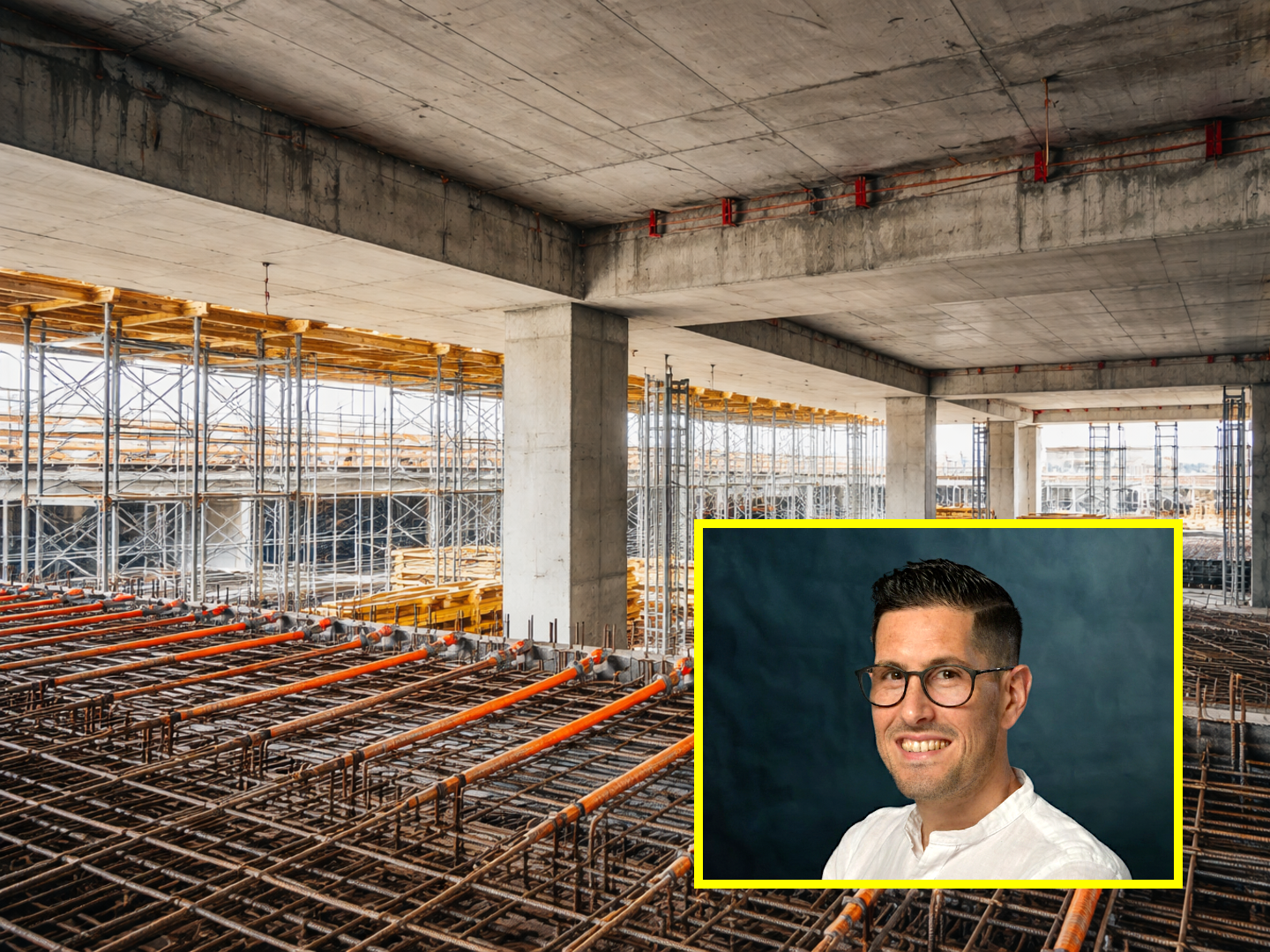
As Malta builds higher, denser and faster, the real transformation is happening beneath the surface. Stephen Mallia explores how post-tensioned concrete is changing the economics of development through lighter structures, faster delivery, greater flexibility and smarter use of space.
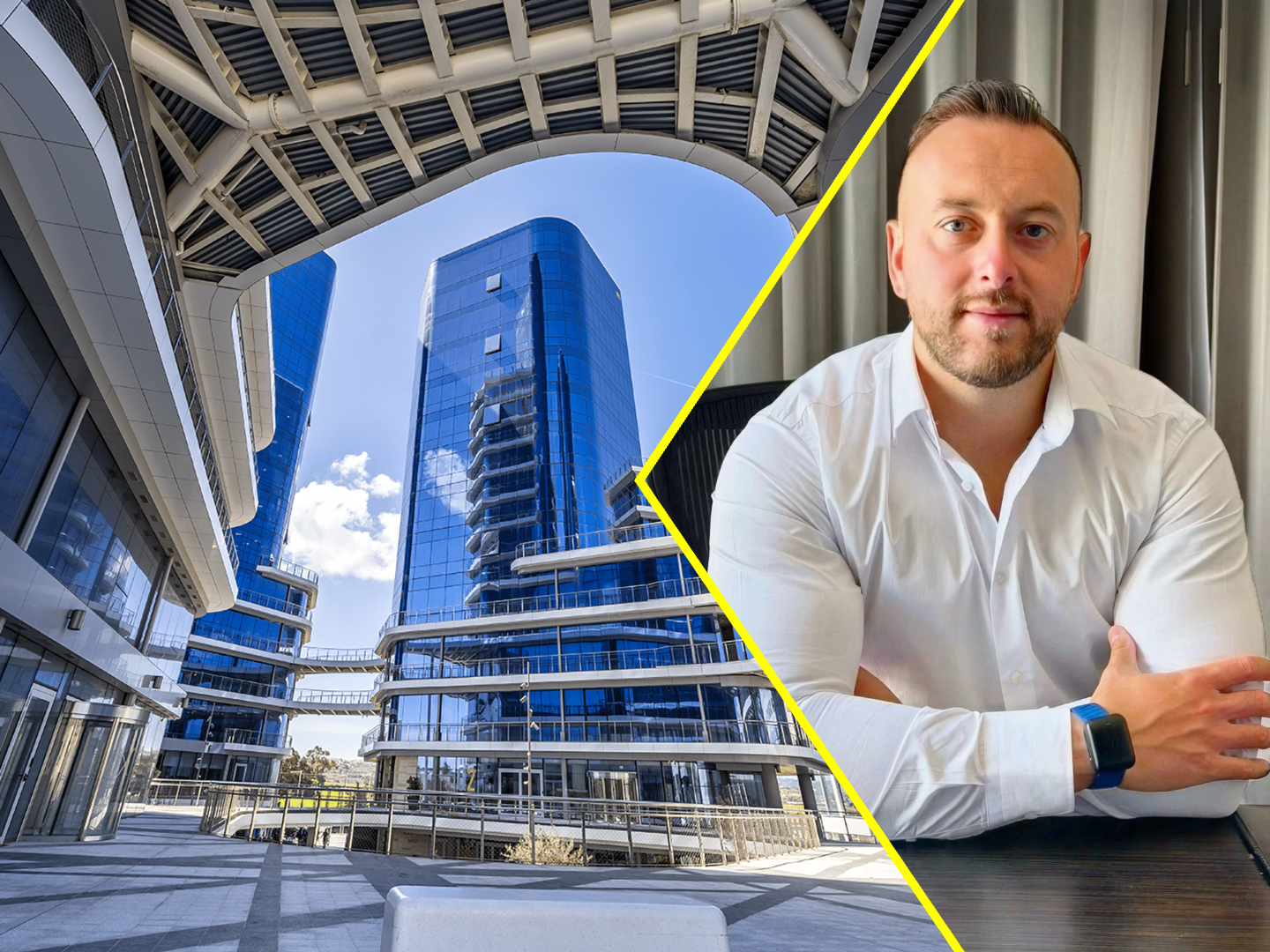
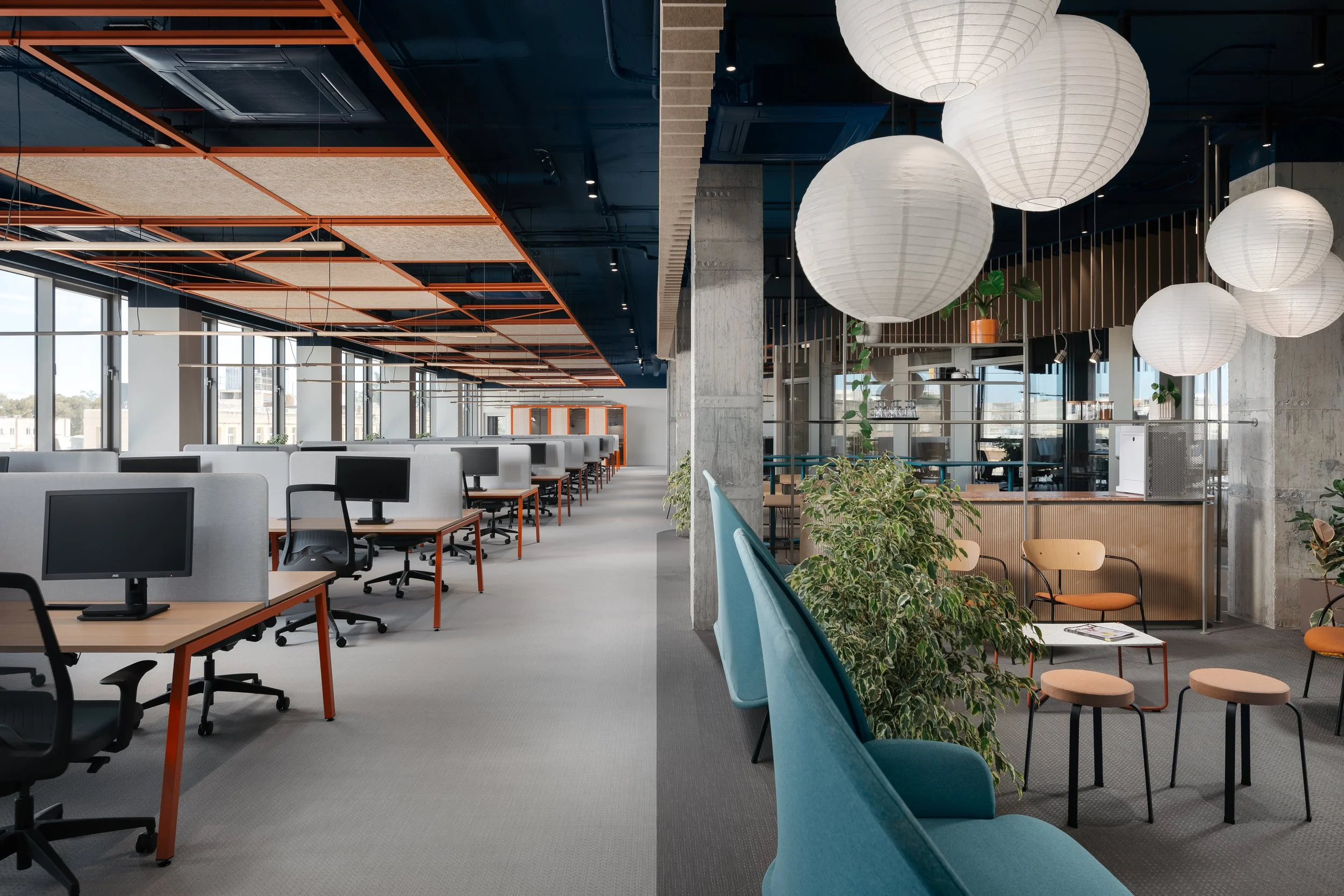
GO Campus is more than a workplace. It is a forward-thinking environment where design, culture and functionality come together to reflect how modern businesses attract talent, inspire teams and rethink the future of work in Malta.
Is Malta truly overdeveloped, or simply overbuilt? Matthew Rostkowski argues that the real challenge lies not in growth itself, but in how density is planned, executed, and aligned with Malta’s long-term future.
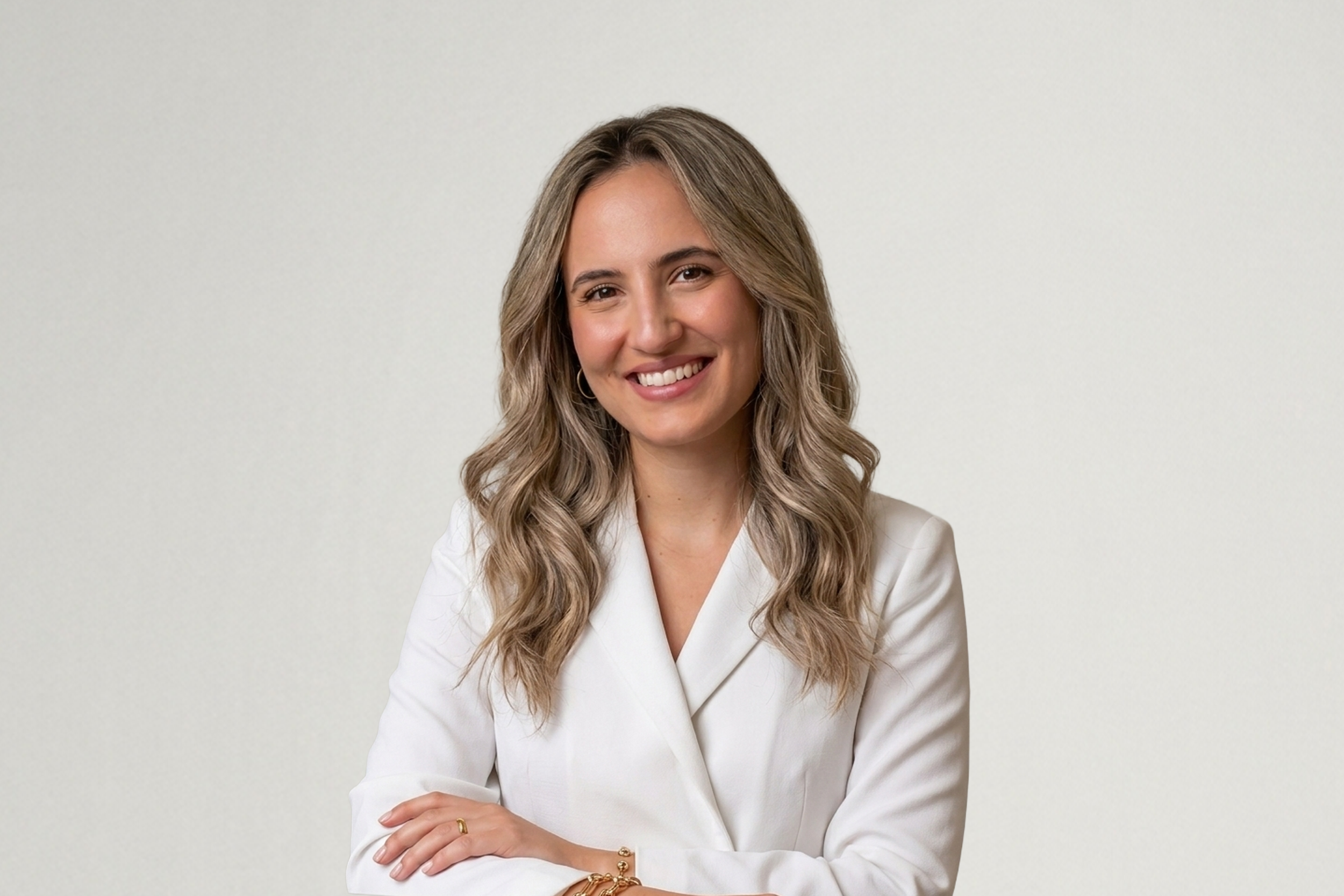
From casino floors to a high-value startup exit, Karolina Pelc shares the strategy, discipline and long-game thinking behind building BeyondPlay and what comes next for founders, investors and Europe’s tech future.
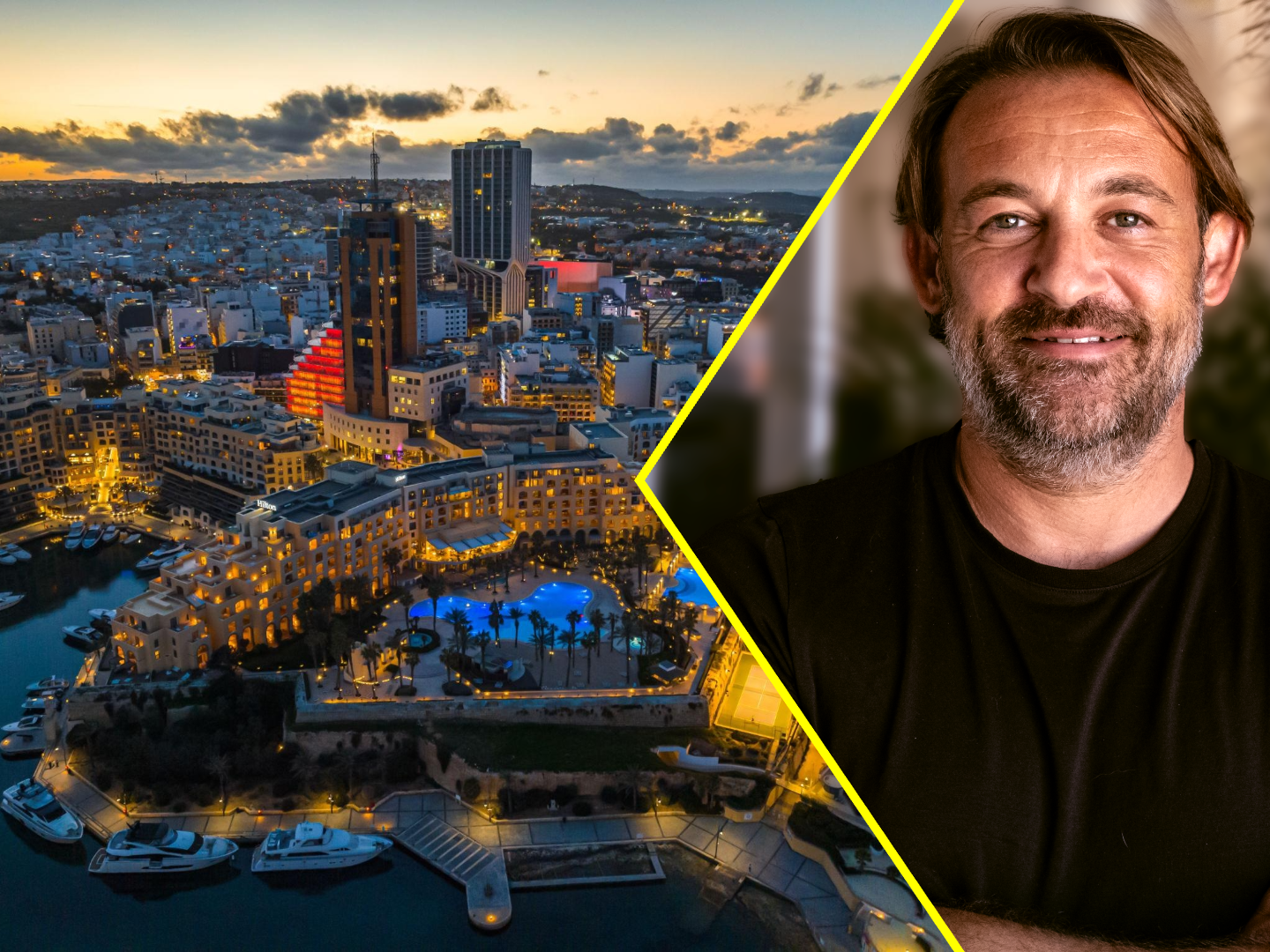
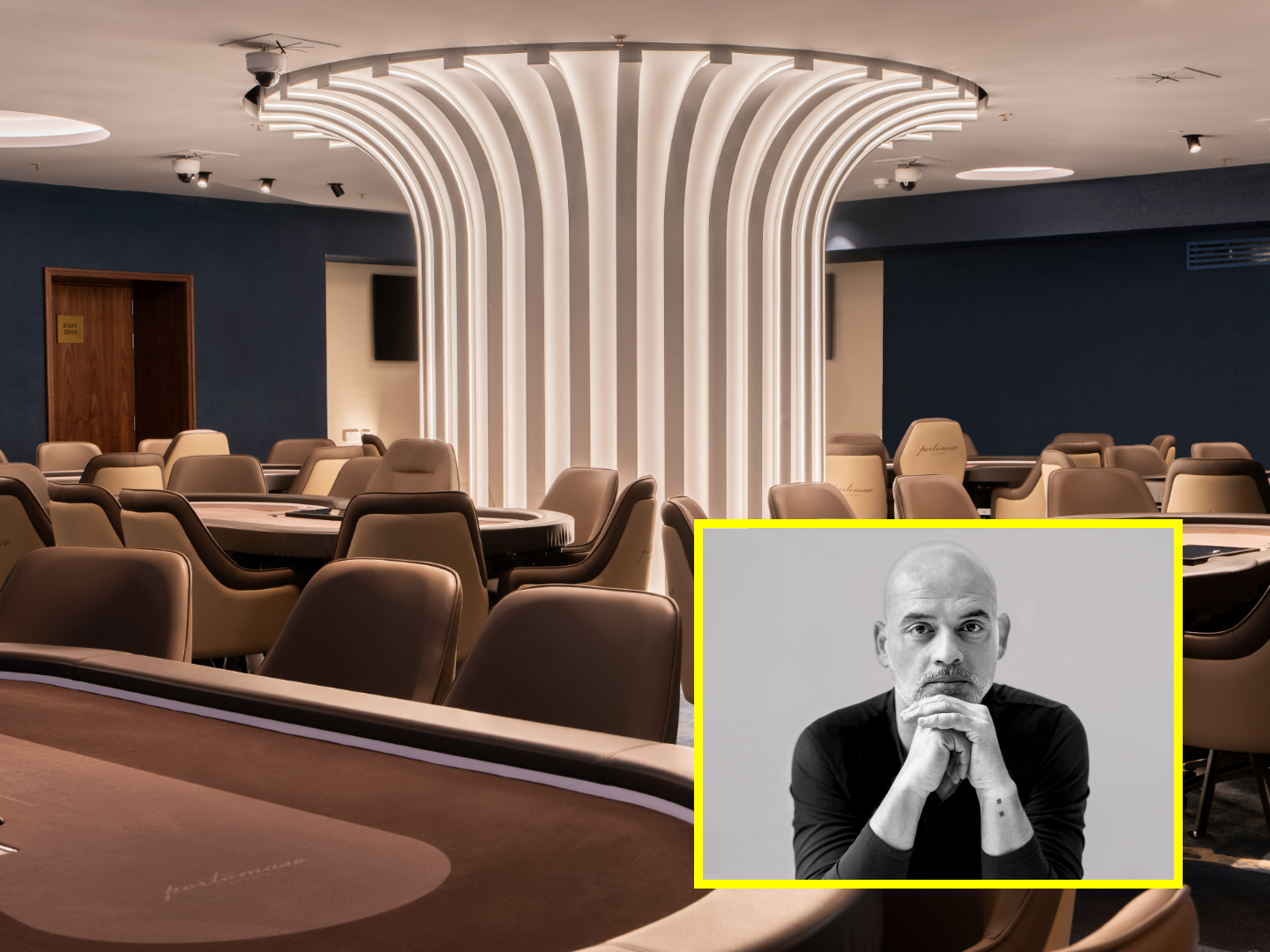
Keith Pillow of DAA Haus explains the thinking behind the Portomaso Casino refurbishment, where calm luxury, intelligent flow and contemporary design come together to reshape the casino experience in Malta.
Boston Link Malta’s Managing Director, Lourens Pahud de Mortanges, explores how regulation, consolidation, and shifting talent priorities are transforming salary expectations, leadership roles, and workforce strategy across Malta’s iGaming and financial services sectors.
Promises are easy; delivery is harder. Speaking with Vanessa Macdonald, Alex Borg reflects on transparency, reform and the trade-offs behind long-term decision-making — touching on planning, infrastructure, quality of life and the economy.
Vanessa Macdonald looks at why Malta's family businesses struggle to survive the handover. Succession isn't a box-tick—it's a high-stakes transition shaped by timing, governance, valuation and family dynamics. Plan early, talk honestly, and protect the legacy.
OUT NOW!
Your industry. Your story. Our platform.
Tech.
Ideas.
Bizz.
ISSUE #6
Malta’s surveillance network is growing—CCTV cameras, biometric ID cards, and facial recognition trials—yet there’s little debate or oversight. Manuel Delia investigates how rapid digital transformation is reshaping governance, redefining citizenship, and eroding privacy under the guise of convenience, safety, and technological progress.
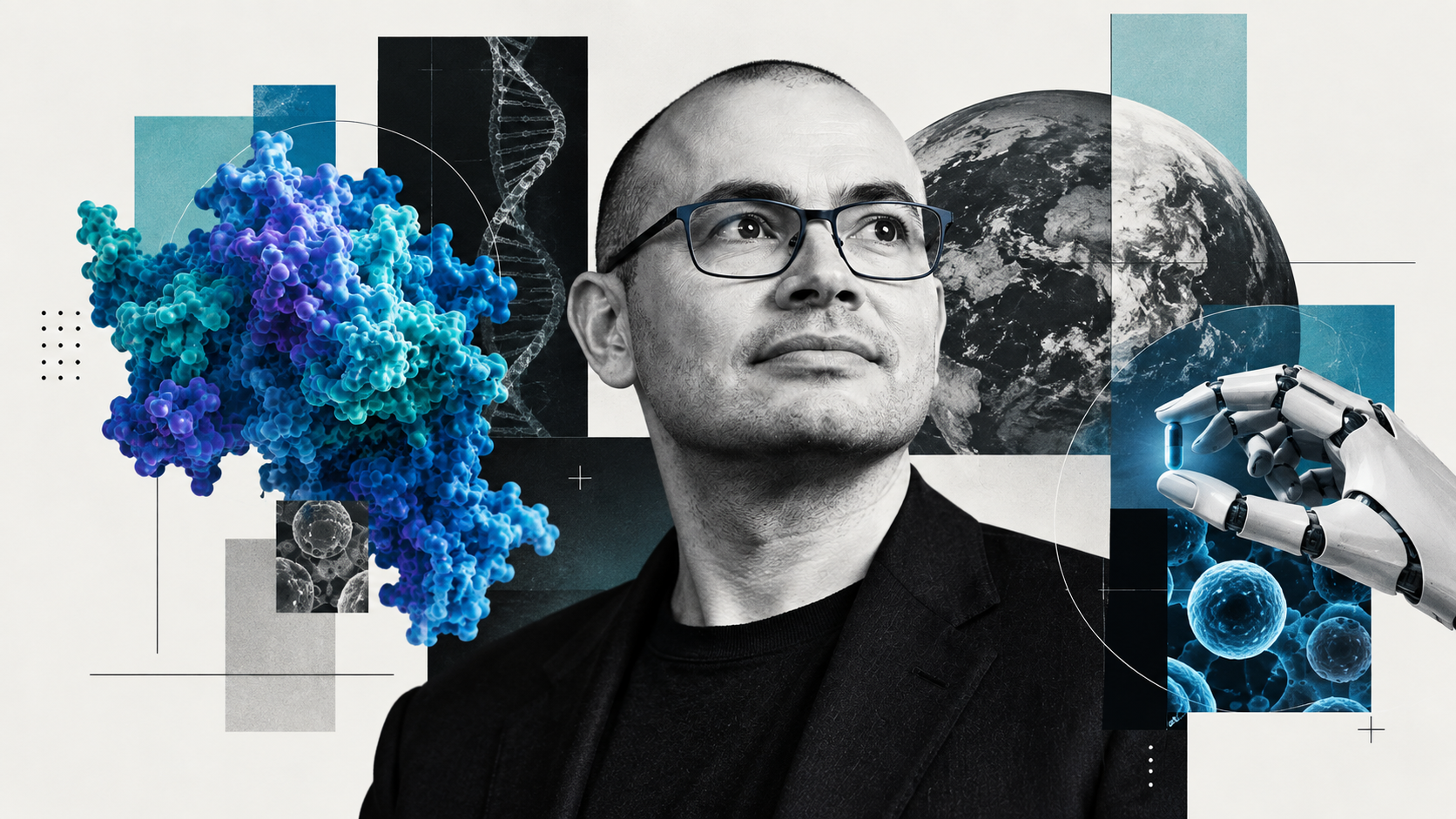
AI, quantum, and blockchain are converging faster than regulation can keep up, creating an era of Techplexity where innovation, governance, and leadership collide. Prof André Xuereb and Angele Giuliano share their insights on thriving in a world where technology evolves exponentially—and why visionary leadership matters more than ever.
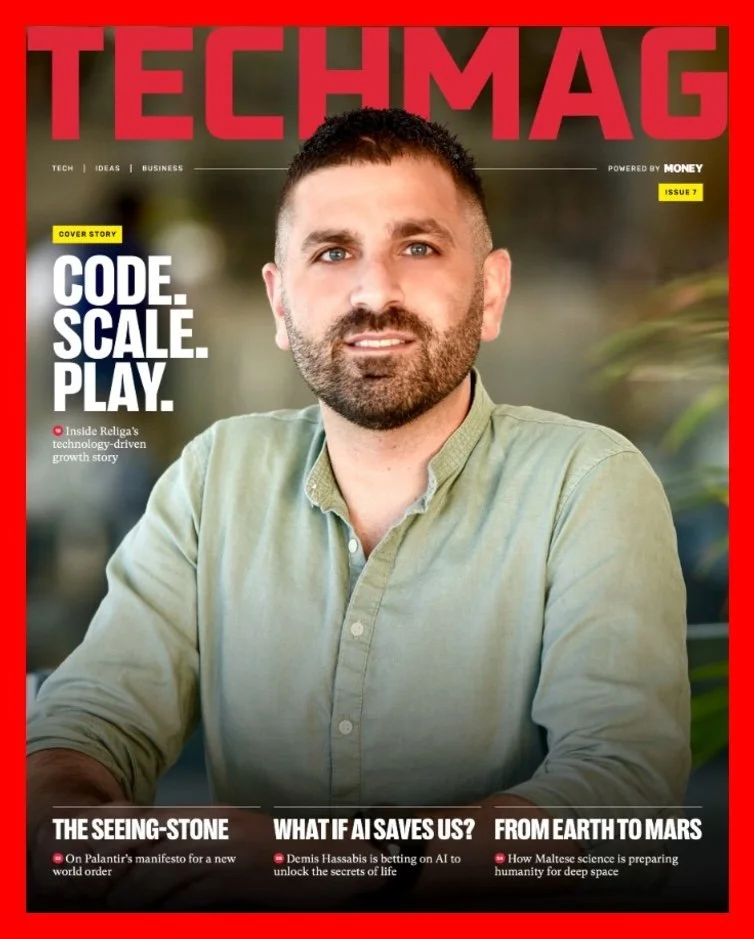
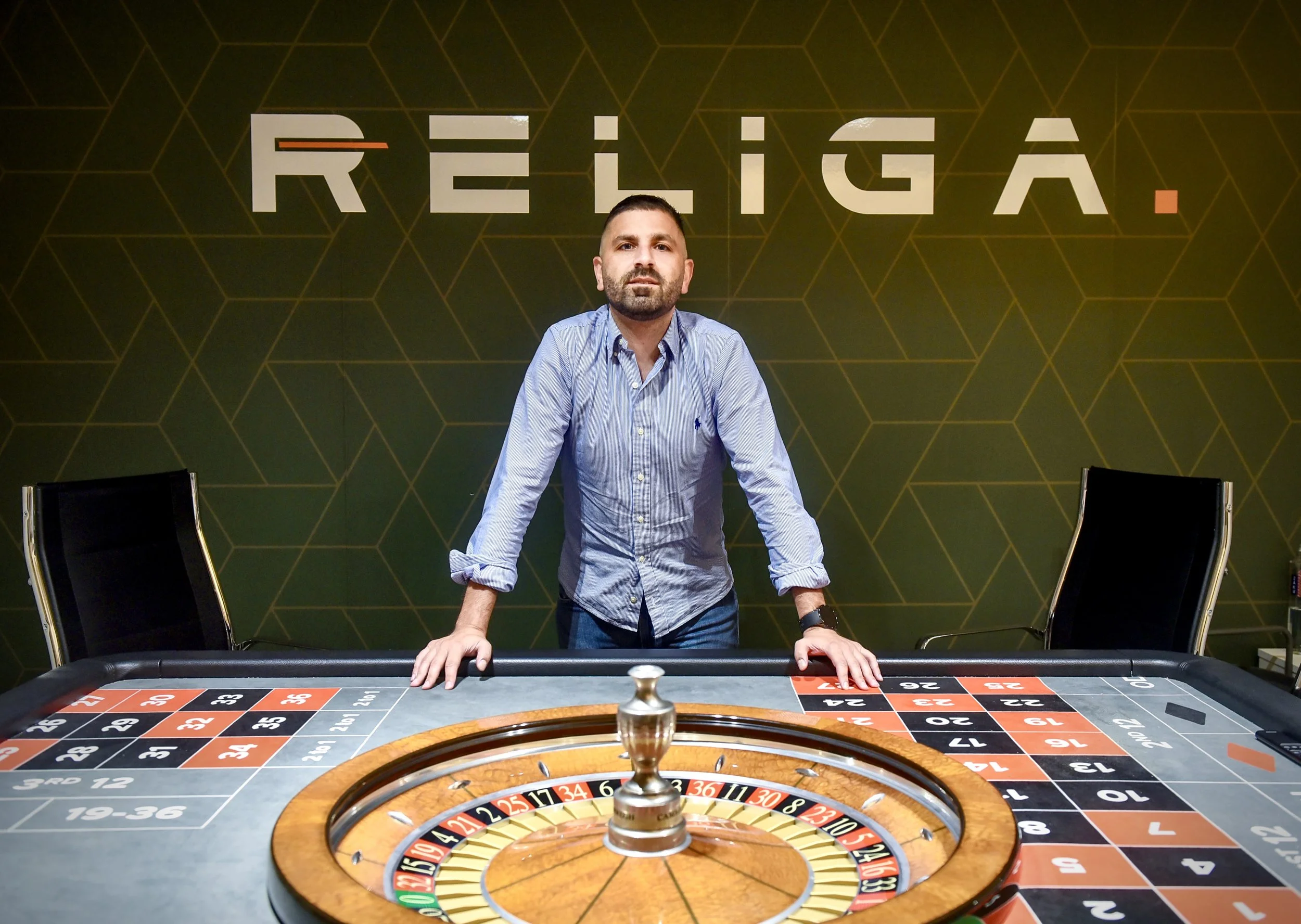
Edgar Portelli, CEO of Religa, is redefining live casino gaming with a bold, boutique approach that blends innovation, scalability, and regulatory expertise. In this exclusive Techmag cover story, he shares Religa’s journey, growth strategy, and how the company is shaping the future of RegTech and live gaming experiences.
AI is no longer just a tool—it’s becoming a partner. Theo Dix explores how intelligent agents are reshaping business models, unlocking new opportunities, and giving small nations like Malta a competitive edge in a world where execution, scale, and growth are no longer tied to headcount.
As the EU pushes ahead with its Digital Decade goals, Vanessa Macdonald speaks to MDIA's leadership about Malta's progress, challenges, and ambitions—from AI and cybersecurity to digital literacy and innovation hubs. Is the island keeping up with Europe's tech transition, or still playing catch-up?
Discover how Prof Joseph Borg and his team at the University of Malta are redefining medicine through space bioscience. From the Maleth Trilogy to space anaemia studies and DNA sequencing in Ladakh, Malta is pioneering research with NASA, SpaceX, ESA, and ISRO.
Our digital addiction is costing us our health, focus, and happiness. Discover why digital detoxing in 2025 isn’t optional—it’s essential for survival.
Can a small island become a global digital powerhouse? Economist JP Fabri believes Malta can — but only if we move fast and think smarter. He maps out a bold roadmap where digital transformation isn’t just an upgrade, but the very engine driving Malta’s economic future.
The anti-ageing industry is booming, but is it science or snake oil? Techmag cuts through the hype to uncover the tech that genuinely helps you age smarter. From NMN supplements to AI-powered longevity diagnostics, here's what works, what's a waste of money, and how to choose wisely.
Manual document processing is costing Maltese businesses time and money. Nick Camilleri of Avantech explains how Scan2x utilises AI-driven automation to reduce costs, minimise errors, and drive growth in Malta’s digital economy.


As Malta's property market matures, Zanzi's Steve and Michael Mercieca discuss technology, trust, governance and why the next decade will favour disciplined operators over growth-at-all-costs ambition.