

Beyond the boom
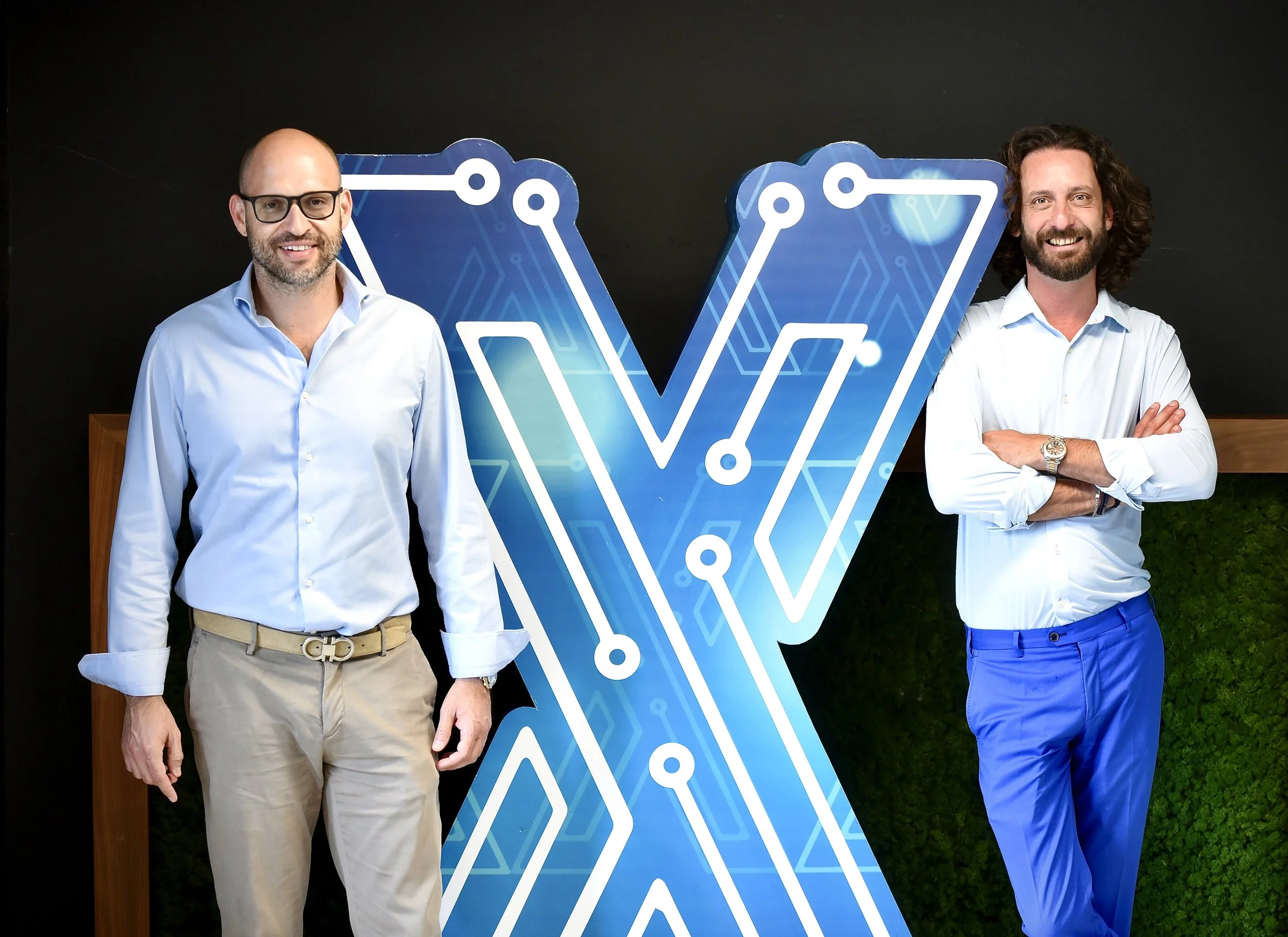
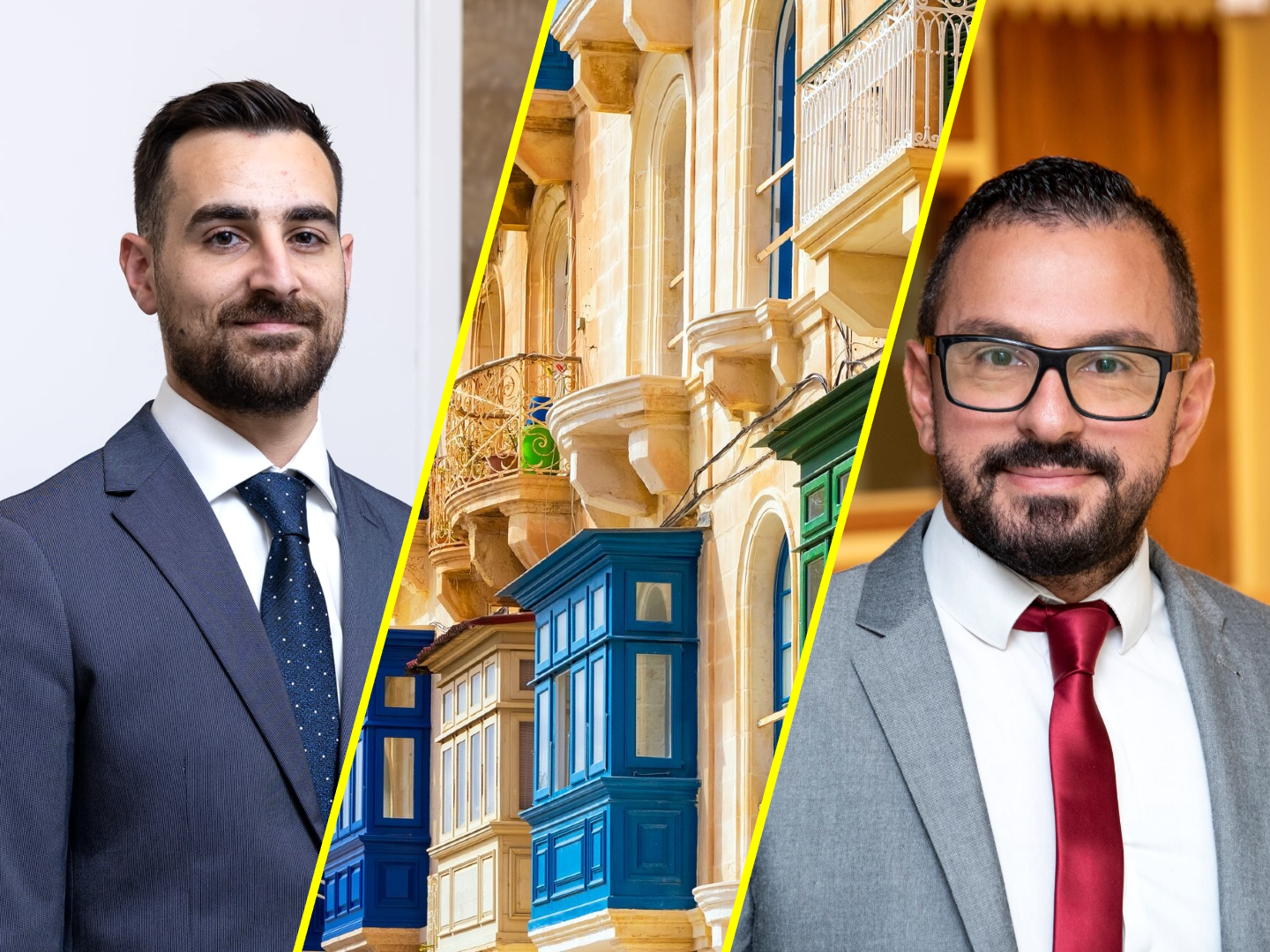
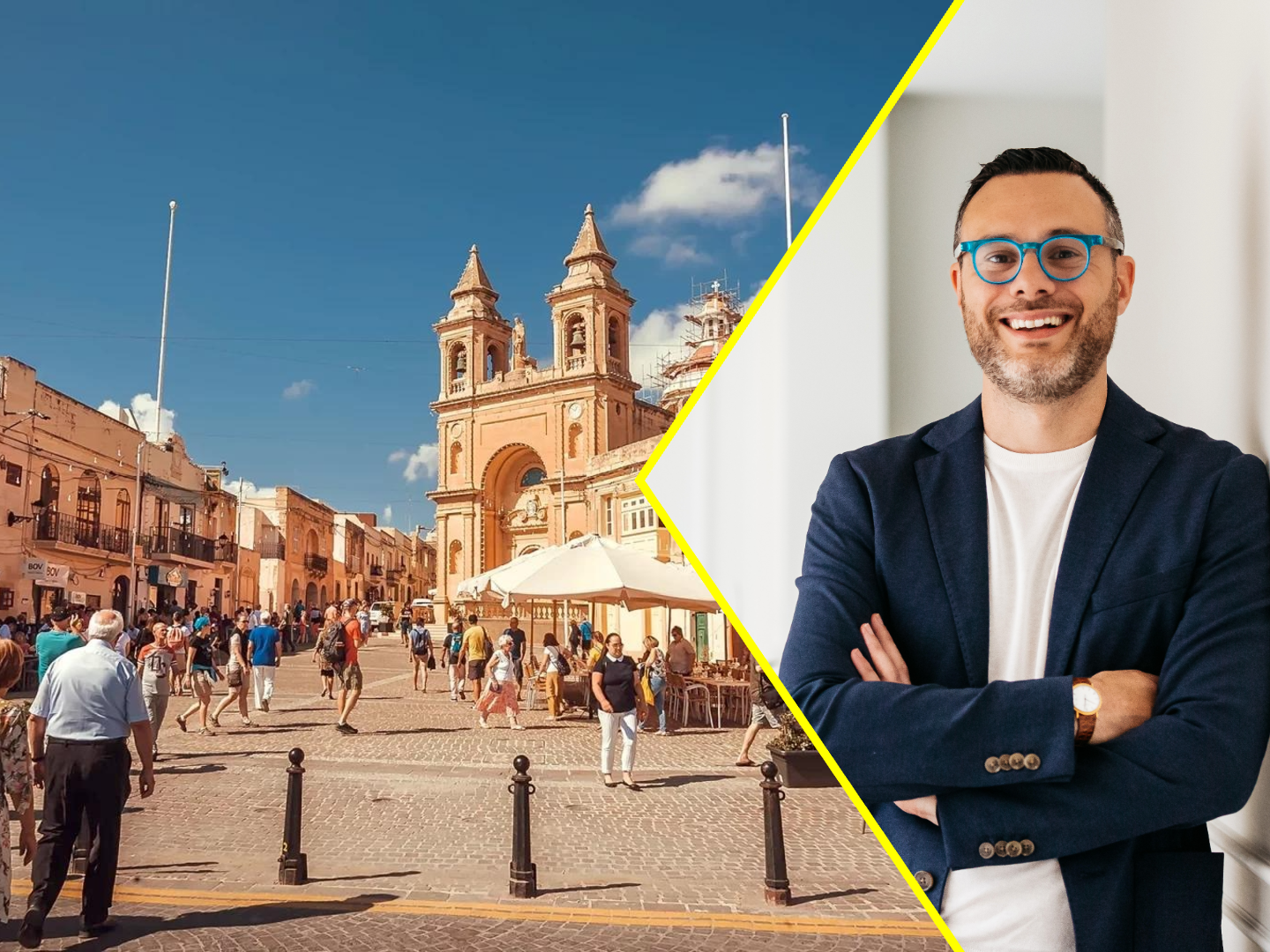
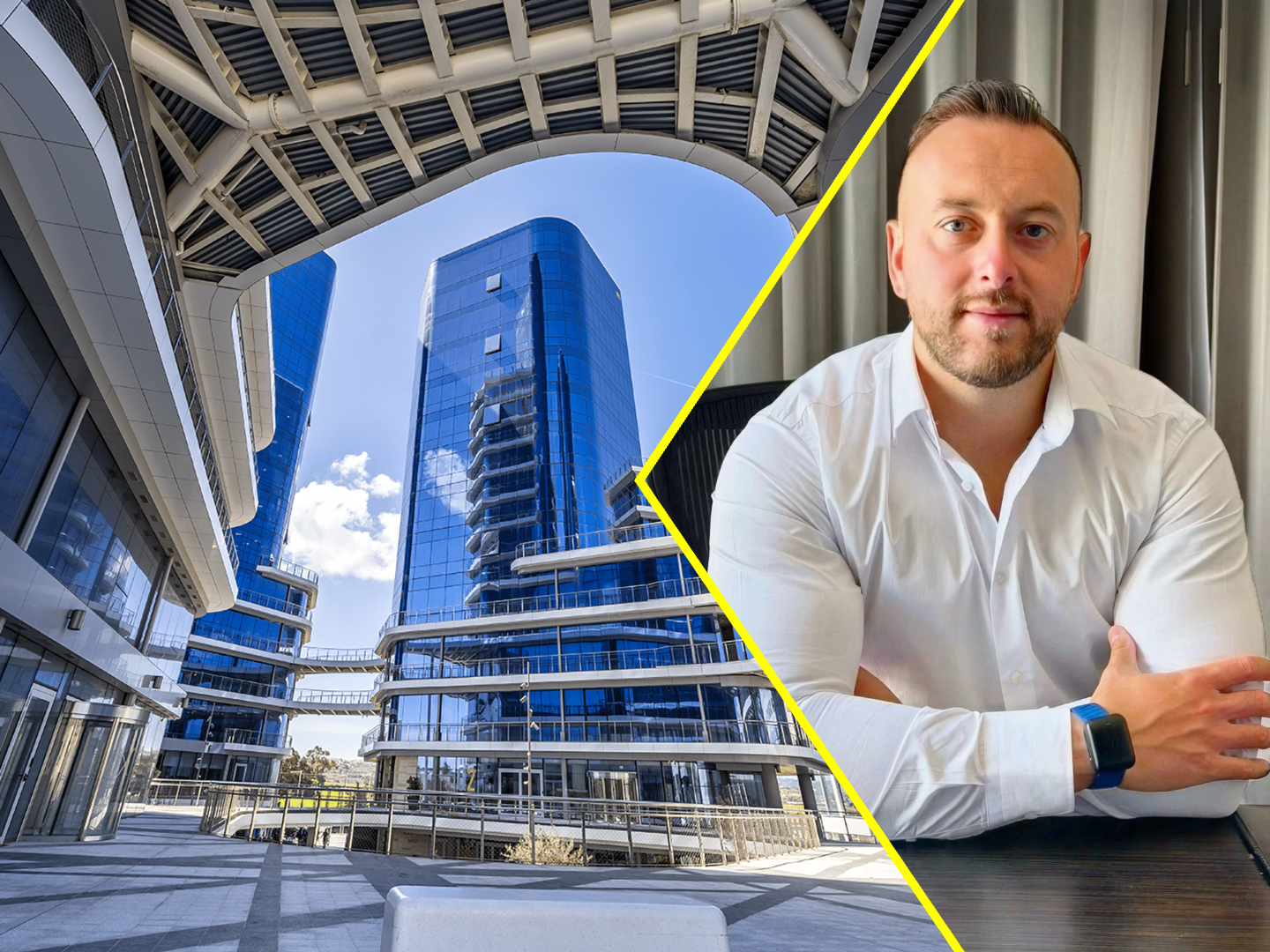
As Malta's property market matures, Zanzi's Steve and Michael Mercieca discuss technology, trust, governance and why the next decade will favour disciplined operators over growth-at-all-costs ambition.
For much of the past decade, Malta's real estate sector has been defined by rapid growth, rising demand, and an industry racing to keep pace with the opportunities. Yet as the market evolves, the conversation is beginning to shift.
Today's buyers are better informed, investors are more discerning, and businesses are facing increasing pressure to balance ambition with accountability. Growth remains important, but questions around sustainability, governance, technology and long-term value are becoming harder to ignore.
For Steve Mercieca, CEO of Zanzi, the future belongs to companies that can combine innovation with trust, leveraging technology while maintaining strong relationships and exceptional customer experiences. For Michael Mercieca, Co-Founder and Finance Director, enduring success comes down to discipline, robust structures and resisting the temptation to pursue growth at any cost.
Together, they represent two complementary perspectives on where Malta's property market may be heading next. In this interview, they discuss the evolution of the sector, the growing role of technology and artificial intelligence, investor expectations, governance, sustainable growth and what it will take for businesses to thrive in an increasingly sophisticated real estate landscape.
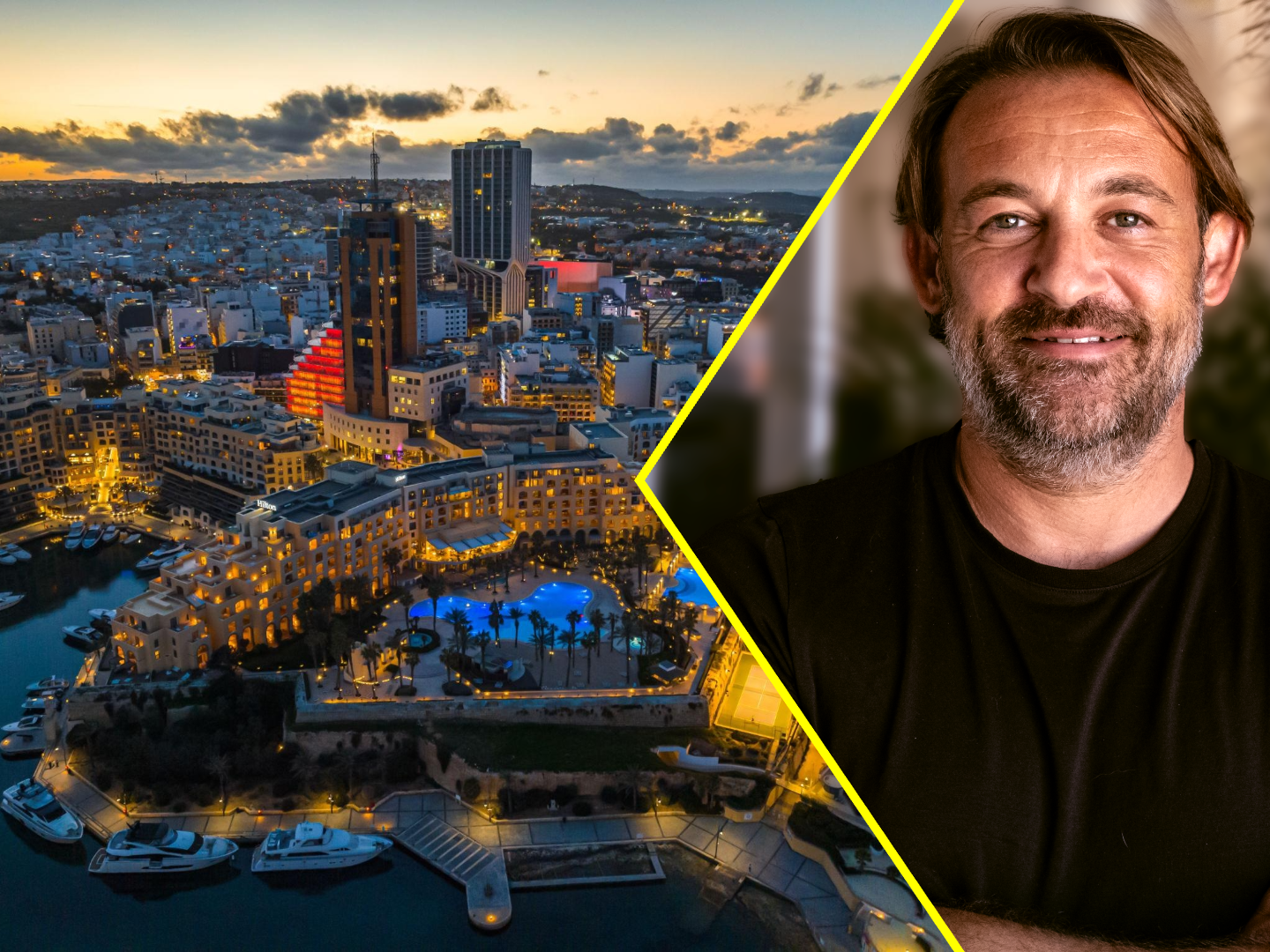
Steve Mercieca
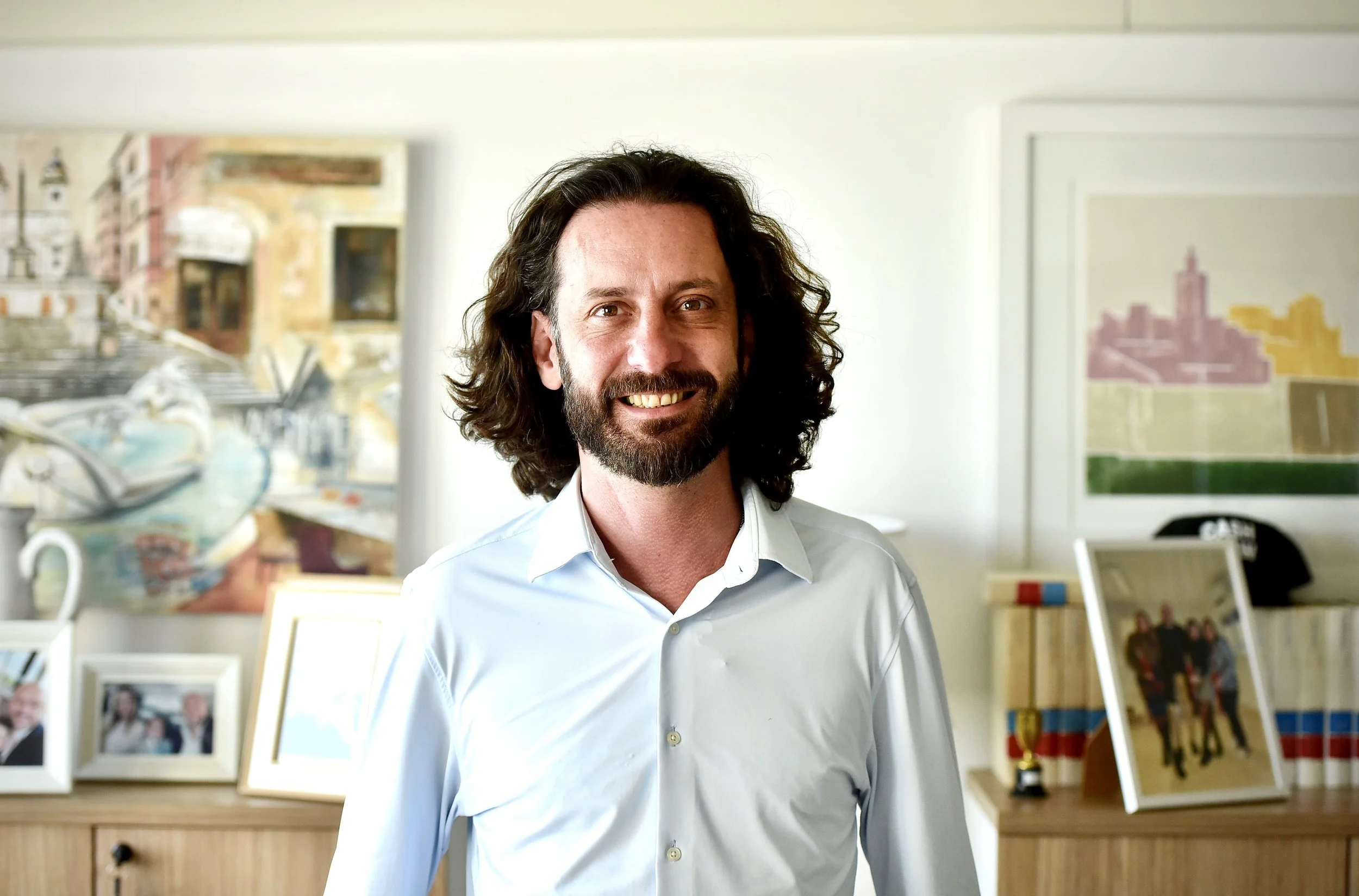
Co-Founder & CEO
Malta's property market has experienced years of aggressive growth. Do you think the next decade will reward a different kind of operator?
Without a doubt. The last decade rewarded those who could move fast, build networks, and capture market share. The next decade will reward those who can build trust, leverage technology, and create exceptional customer experiences at scale.
Real estate is becoming more professional and more competitive. Being a good salesperson will still matter, but being a great business operator will matter even more. The companies that thrive won't necessarily be the biggest; they'll be the most adaptable.
What do you believe people still misunderstand about where Malta's real estate sector is heading?
Many people still see real estate as simply buying, selling, or renting property. That's an outdated view. What we're actually seeing is the evolution of an entire ecosystem. Data, technology, financing, property management, customer experience, investment advisory, and sustainability- all of these are becoming increasingly important.
The future of real estate in Malta won't be about transactions alone. It will be about providing solutions throughout a client's property journey.
Has the industry become too focused on volume at the expense of long-term value?
At times, yes. Rapid growth naturally creates an obsession with numbers. More listings. More deals. More agents. More offices.
But volume alone isn't a strategy. The businesses that will still be here in twenty years are the ones that build strong brands, invest in people, protect their reputations, and deliver consistent value to clients.
Growth is important. Sustainable growth is what matters.
Is Malta entering a more mature and sophisticated phase of real estate, or do you still feel the market largely operates with a short-term mindset?
We're entering a more mature phase, but we're not fully there yet.
The market is becoming more educated. Buyers are more informed. Developers are more conscious of design, quality, and long-term positioning.
That said, there are still parts of the industry that focus heavily on short-term wins. The next chapter belongs to businesses thinking five, ten, or twenty years ahead rather than five, ten, or twenty months.
Are buyers becoming more demanding — or simply more sceptical?
Both.
Today's buyer has access to more information than ever before. They can compare properties, research market trends, and validate claims within minutes. As a result, expectations are higher.
But I don't see that as a problem. I see it as healthy.
When consumers become more demanding, industries are forced to improve. The businesses that embrace transparency and professionalism will benefit the most.
What role do you realistically see technology and AI playing in the future of real estate?
A massive role. AI won't replace great estate agents, any more than the internet did twenty years ago.
What AI will do is remove inefficiencies. It will help us price properties more accurately, qualify leads faster, personalise marketing, improve customer service, analyse market trends, and automate repetitive tasks that currently consume valuable time.
The future agent won't compete against AI. They'll compete against another agent who uses AI more effectively.
As CEO, how do you maintain growth while protecting culture, reputation and long-term trust?
That's one of the hardest balancing acts in business.
Growth is exciting. But if growth comes at the expense of culture or reputation, you've built something fragile.
At QuickLets and Zanzi Homes, we've always believed that people come first. Technology matters. Processes matter. Performance matters. But culture is what holds everything together.
We focus heavily on values, leadership development, accountability, and creating an environment where people can grow both professionally and personally.
Trust takes years to build and seconds to lose. Every decision we make has to respect that reality.
Looking ahead, what kind of company do you ultimately want Zanzi to become?
I want Zanzi to become far more than a real estate company.
I want it to become a technology-driven property ecosystem that empowers people to make better property decisions throughout their lives.
I want us to be recognised not only for market leadership, but for innovation, culture, and the impact we have on the people who work with us.
If we can build a company that consistently develops and retains great people, creates exceptional customer experiences, embraces innovation, and leaves the industry better than we found it, then I would consider that success.
The goal isn't simply to be the biggest. The goal is to be the most respected.
Michael Mercieca
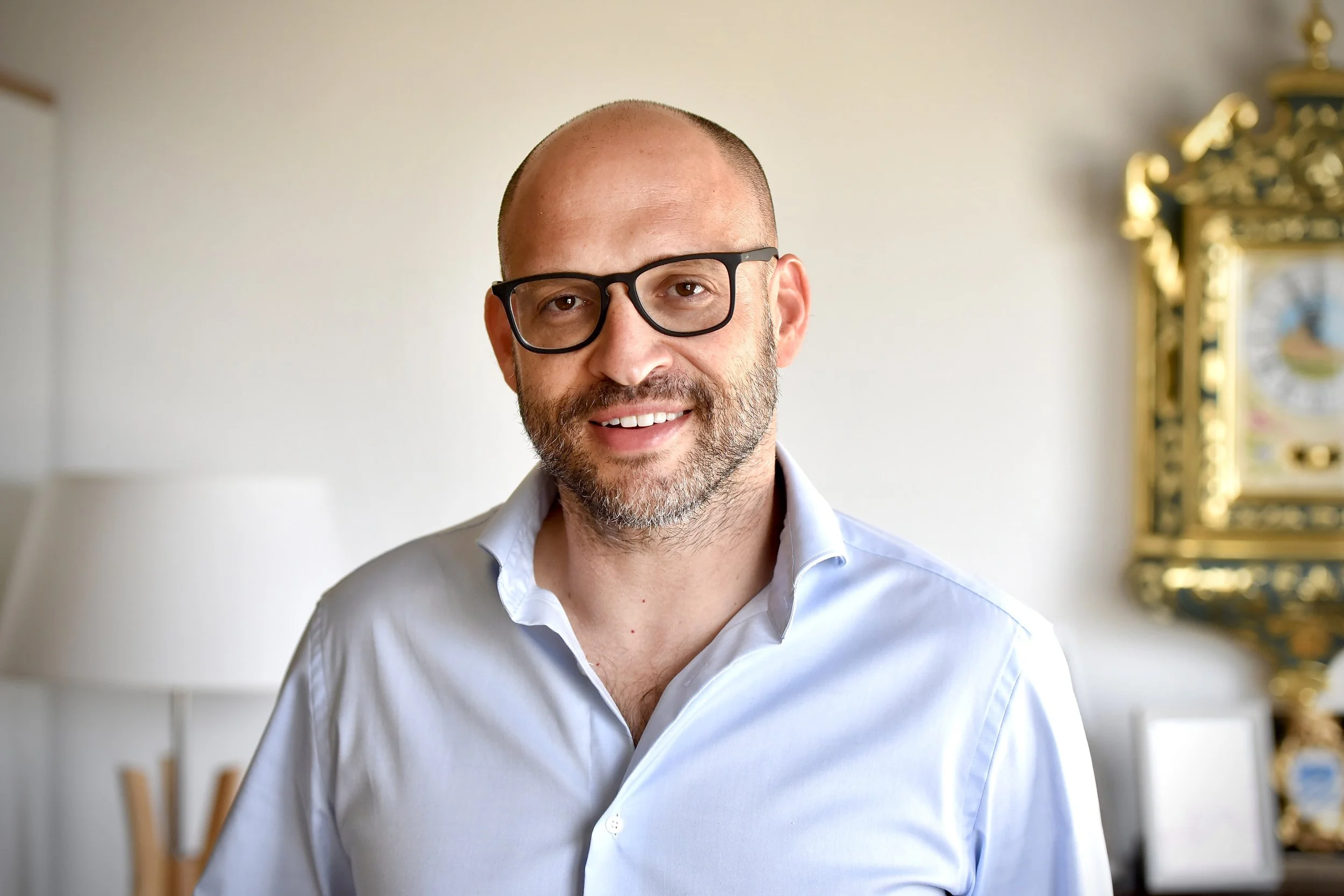
Co-Founder & Finance Director
Fast growth can sometimes hide structural weaknesses. How important is financial discipline during expansion?
Definitely agreed, and of course, financial discipline is important during the growth stage. With respect to fast growth, fast is always preferable, to the extent that it is sustainable, but from a financial and resource perspective. It is not wise to pursue growth at all costs, as this could lead to overtrading and strain company structures. Our goal is to grow responsibly and sustainably. Furthermore, I would say that different companies are at different stages and in different ecosystems. For example, a startup with a 12-month cash runway starting from zero needs to grow much faster than an established business in a proven industry.
In practical terms, how do you define sustainable growth for a company like Zanzi?
For us, it means simply not overstretching ourselves in terms of resources, both financial and human. We always strive not to commit to new projects which would strain our financial or human resource structure.
What does moving into a more institutional and investor-facing structure change internally for a company like Zanzi?
Well, one has to consider a new set of stakeholders, and the business is run differently, with a much more robust structure. We started as a very small business, effectively as a one-person band. Today, we have much more formal reporting, board-level oversight and governance controls than we did when we were a small business.
Do you think Malta's real estate sector is entering a phase in which credibility, governance, and transparency will become competitive advantages in themselves?
Yes, I think we are. As more real estate groups in Malta turn to public markets and bond financing to fund their growth, credibility becomes a factor investors actively consider in their valuations. The companies with genuine governance, robust structures, and transparent reporting earn trust more easily, which translates into better access to capital and often a lower cost of capital. So governance and transparency stop being purely a compliance exercise and start becoming a real competitive advantage.
That said, everything comes at a cost, so there has to be a balance. Stronger governance means more people around the table, more reporting and more oversight, all of which take time and resources. The skill is in building a structure that's robust enough to earn investor confidence without becoming so heavy that it slows the business down. Get that balance right, and I do believe it becomes a genuine differentiator, not just a box-ticking exercise.
Are investors today looking for growth stories — or stability?
I would say Maltese investors are predominantly interested in the bond market and stable returns.
What risks do you think the sector still underestimates?
Like any industry, there are risks, and the one I'd flag as underestimated is complacency - getting too comfortable with a property market that has trended upward for years. That can lead companies to assume demand and prices will only ever rise, and to underprice risks such as interest-rate movements, refinancing, or external shocks like Covid 19 or geopolitical events. The discipline is to keep stress-testing the business for conditions we haven't seen in a while, rather than assuming the good times are permanent.
In a market that moves as quickly as Malta's, how do you balance ambition with long-term stability?
For us, the two aren't in conflict - ambition is what drives the business forward, but it only works if it's matched to what we can sustainably resource. We're an ambitious company, but we pace our growth to our financial and human capacity, and we don't commit to projects that would strain either. A fast-moving market creates plenty of opportunities, and the discipline lies in knowing which to pursue and which to let pass. Moving quickly is an advantage, but only when the structure underneath can carry the weight.
Looking ahead, what do you believe will separate companies that endure from those that peak too early?
Discipline. The ones that peak early tend to chase growth at all costs and assume the good times never end. The ones that last grow more deliberately and sustain their financing. Ambition gets you the growth; discipline lets you keep it.
Quick-fire round
What excites you most about Malta's real estate sector over the next decade?
Steve: The opportunity to make the industry smarter, more professional, and more customer-focused.
Michael: I would say the potential to grow and do better.
What concerns you most about the direction the industry could take if it fails to evolve?
Steve: Complacency. Standing still is far riskier than change.
Michael: Mainly, there will be a lack of resources and standards required to carry out certain works.
What do you think buyers and investors will value far more in 10 years than they do today?
Steve: Trust, transparency, and expert guidance.
Michael: Demand for quality.
Beyond growth figures and expansion, what does success ultimately look like for Zanzi?
Steve: Building a company that's respected for its people, culture, innovation, and impact.
Michael: Continuing to consolidate and be financially stable.
If you had to describe the next chapter of Malta's real estate sector in one sentence, what would it be?
Steve: A shift from chasing transactions to creating long-term value.
Michael: I would again say that higher quality is needed to keep up with market demands in this respect.





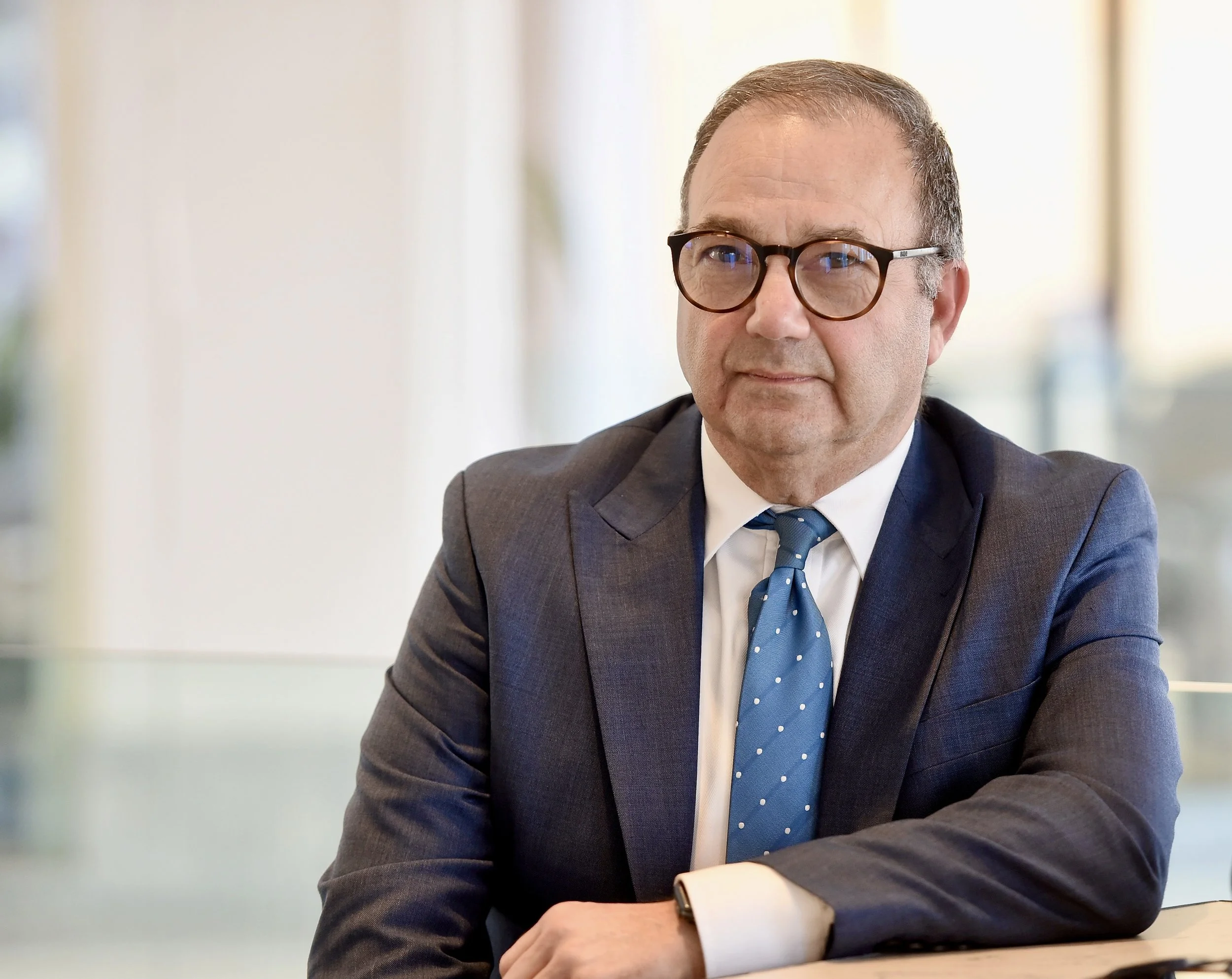

As Malta's property market matures, Zanzi's Steve and Michael Mercieca discuss technology, trust, governance and why the next decade will favour disciplined operators over growth-at-all-costs ambition.