

The business of belonging
In conversation with psychosocial coach Claire Bugelli, Dayna Clarke Camilleri explores how Malta's changing urban landscape is reshaping our experience of community, identity and belonging.
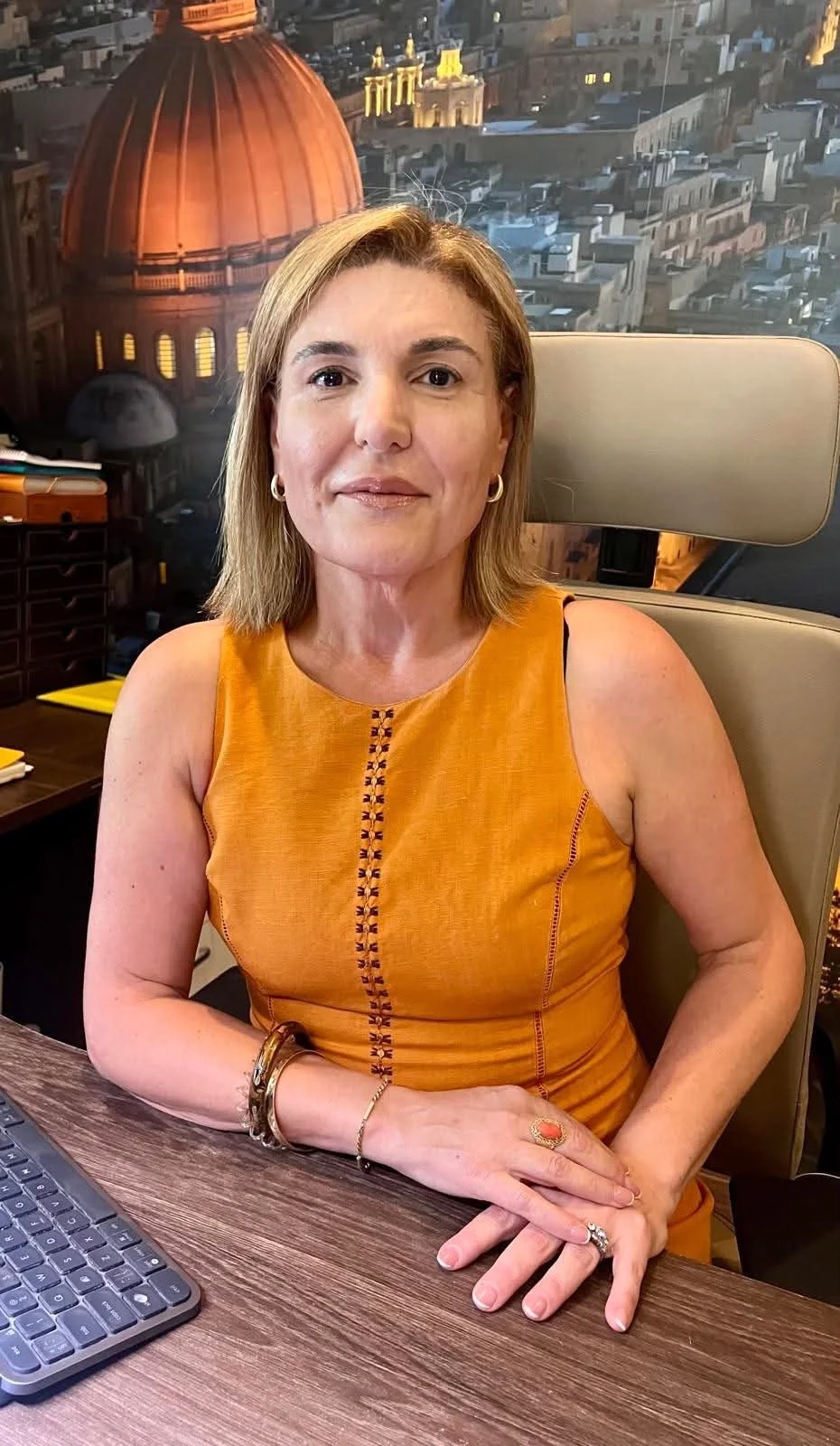
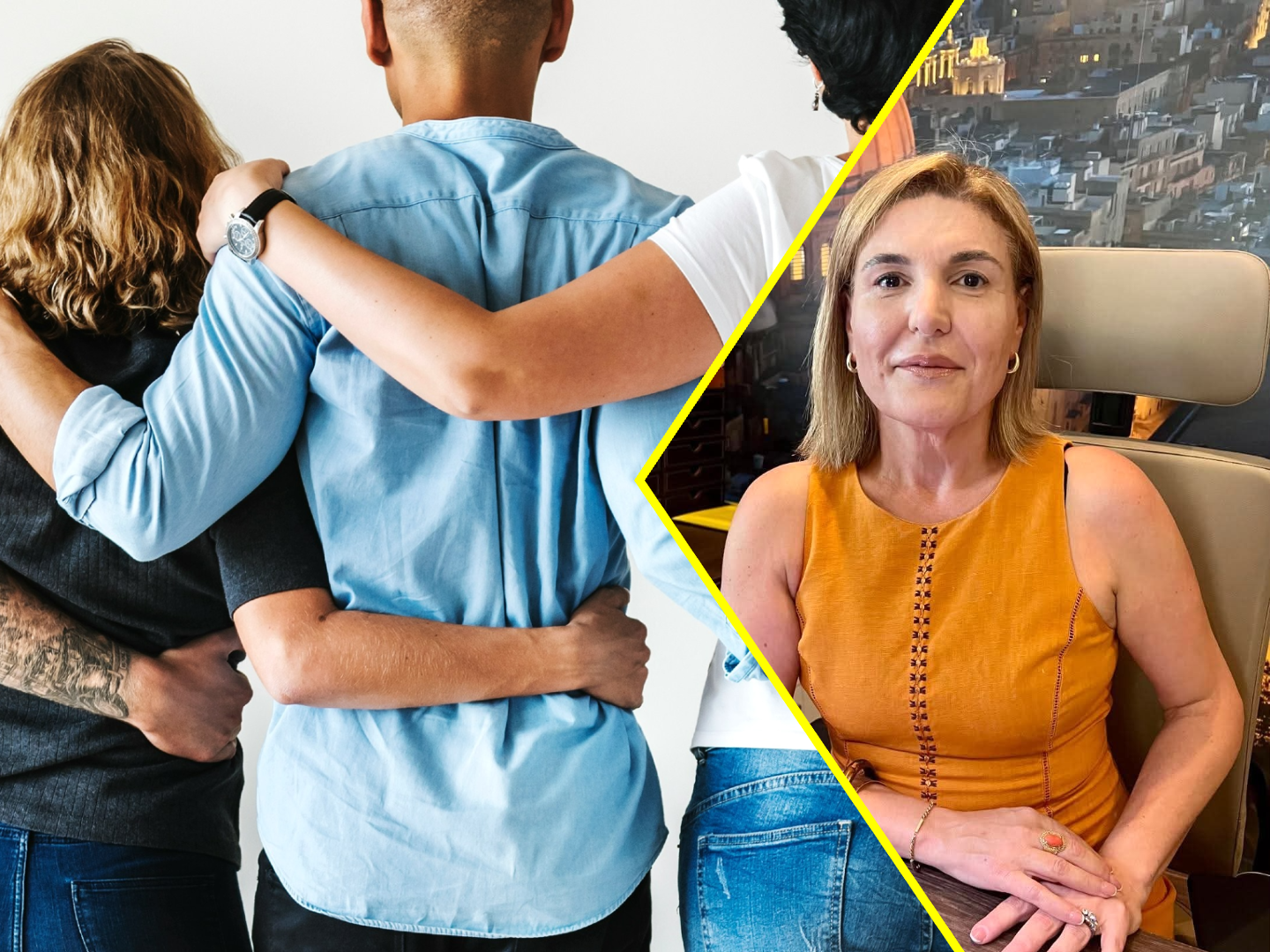
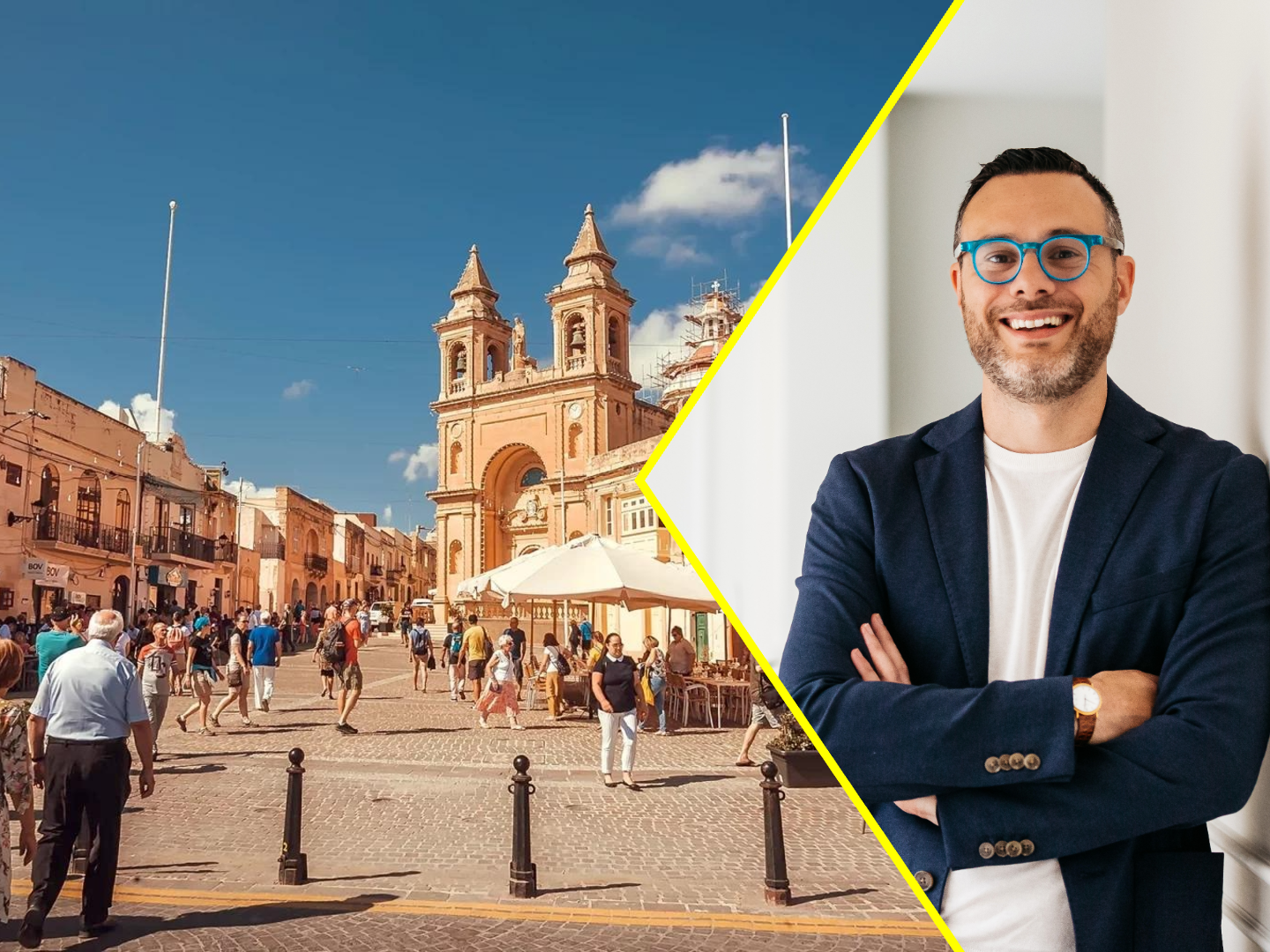
Claire Bugelli
For generations, belonging in Malta was woven into the rhythms of village life – the pjazza, the band club, and familiar faces encountered daily. But as the country becomes more urbanised, more transient, and increasingly shaped by remote working, the spaces we inhabit are changing faster than our social instincts can adapt to. Beyond affordability and density lies another challenge for the built environment: creating places where people feel connected, supported and rooted. Claire Bugelli reflects on why designing for human connection may be one of the most important conversations in property today.
Malta has transitioned rapidly from a traditional, village-centric culture to a dense, fast-paced, and heavily remote-working environment. From a psychosocial perspective, how is this shift impacting the way people experience loneliness and social fragmentation here? Why is it that we can feel profoundly isolated even when living in a highly dense, urbanised area like the Sliema and St Julian's hub or central Malta?
Let's start with something that might sound counterintuitive: density doesn't create community. It never has, and I think it's important we name that clearly, because so much of Malta's urban development proceeds on the assumption that it does.
What proximity creates, without deliberate social design, is people living near each other, and that is an entirely different thing from people belonging to each other. We are wired, as human beings, for what I would call thick relationships. Bonds built on shared history, mutual obligation, and genuine knowledge of one another across time. The village model that shaped Maltese life for generations delivered exactly that. You didn't have to seek connection; it was simply the texture of daily life. You knew people across generations. You had a role. You were part of something larger than yourself.
When that texture dissolves, it isn't replaced by the freedom that modernity tends to promise. It's replaced by what I'd describe as social thinness, a background emptiness that is genuinely difficult to name, and even harder to address, because it has no single obvious cause. And here's what makes the urbanised version particularly painful: when you're surrounded by movement, by other people's visible busyness, by the constant hum of activity, and you still feel fundamentally disconnected — you begin to experience that disconnection as something aberrant. Something wrong with you, specifically. That shame is what separates loneliness in a crowd from loneliness in solitude. In my coaching practice, I see this regularly—objectively busy lives. Full calendars. And a quiet, persistent hollowness that people often can't quite name.
What's specific to Malta is the speed of this transition. Two generations. Extraordinarily compressed. The social infrastructure, the shared meanings, the rituals, the intergenerational bonds, haven't had time to adapt, and we haven't yet built the language, let alone the physical spaces, to hold what's been lost.
Historically, Maltese community life was anchored by the village pjazza, the local band club, and multi-generational neighbourhoods. Today, many young Maltese no longer live where they grew up. What happens to a person's sense of identity and grounding when those organic, traditional safety nets disappear?
The loss of the pjazza is about far more than nostalgia, and I want to be precise about that because it's sometimes dismissed as sentimentality. Those traditions, the feast, the band club, the Sunday passeggjata, the committee you joined because your father had before you, were doing serious emotional and social work. They gave people a place in a story larger than their own biography. They created continuity, a sense of being known across time, a role within a community that didn't need to be negotiated or earned each day anew. That kind of stable belonging acts as a genuine buffer against anxiety and uncertainty throughout the lifespan.
When a young Maltese person leaves their hometown, priced out of the village they grew up in, or drawn to opportunity elsewhere, something significant is severed. And what I find particularly worth noting is that we rarely allow ourselves to grieve it. We grieve for people. We have rituals for that. We don't typically grieve for places or communities. Yet, the evidence is consistent: feeling rooted in a physical and social landscape is one of the more reliable predictors of resilience and wellbeing we have.
Identity is not a purely internal affair. It is built in relationship, with place, with community, with the repeated small rituals of showing up and being recognised. Strip that away and many people find themselves not liberated, as they might have expected, but quietly adrift. Functioning. Coping. But missing something they may not even have words for yet.
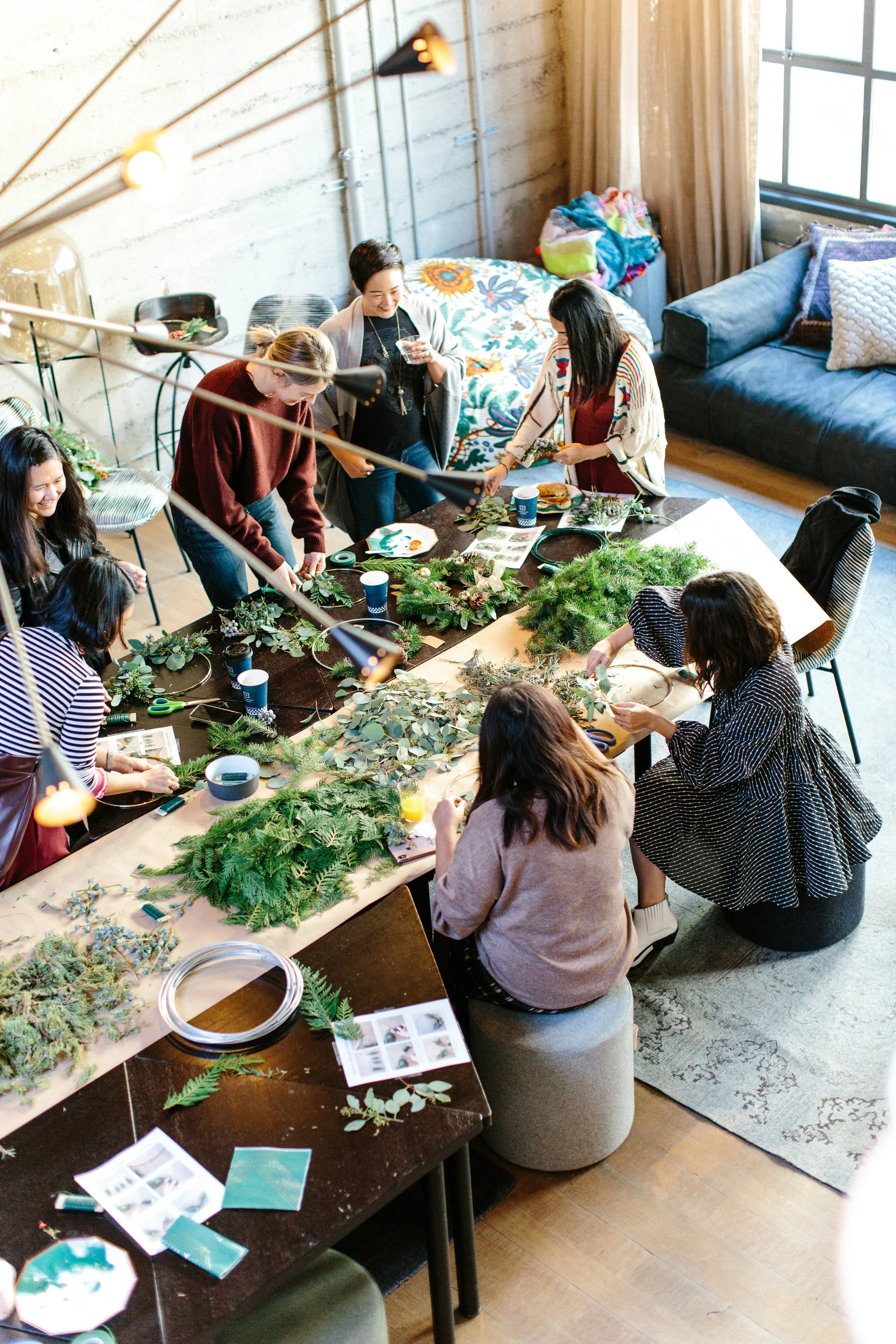
Real estate marketing in Europe increasingly emphasises "community" and "lifestyle" (e.g., mixed-use developments with shared rooftops, coworking spaces, and integrated cafés). Do you view this trend as a superficial marketing gimmick, or does it reflect a genuine, deep-seated psychological craving for modern tribe-building? Is there a place for it in Malta?
Both, and sitting with that complexity is more useful than choosing one answer. The cynical reading is obvious. Community has been aestheticised, sold as a lifestyle add-on to justify higher price points. Some of what passes for community in new developments is not much more than a rooftop terrace and a well-shot brochure photograph.
But I would push back hard on stopping there, because the fact that the market has identified belonging as something people will pay for does not make the underlying need any less real. If anything, it confirms what social science has demonstrated for decades: connection is not a lifestyle preference. It is a fundamental human need, as basic as shelter. Abraham Maslow placed love and belonging at the third tier of human need above safety, foundational to everything we call a good life. That hasn't changed because we now live in apartments with fibre broadband.
For Malta specifically, the conversation matters because the island is genuinely well-positioned to do this properly. It's small enough that a real micro-community is still possible. The social fabric, while under strain, hasn't fully unravelled. The risk is that Malta imports the European aesthetic of community, the staged rooftop, the café nobody actually lingers in, without doing the harder thinking about what belonging requires to take root.
With Malta's population becoming more international and transient (digital nomads, expats, short-term renters), building deep roots can be difficult. How can mixed-use property design form meaningful psychological connections rather than just surface-level, polite interactions in a lift?
This is the question I find most fascinating, because the barrier in transient communities is rarely hostility. It's something far subtler. I call it preemptive withdrawal. When people don't expect to stay, when the internal narrative is "I'll be gone in eight months", they unconsciously stop investing in relational groundwork before it has any chance to develop. It's a self-protective mechanism that creates the very isolation it's trying to avoid, operating largely below conscious awareness. Both parties do it simultaneously, and the result is a polite, mutually isolating distance that neither person intended.
What design can do is lower the activation energy required for the connection to happen naturally. Not engineer intimacy, that's impossible, but create conditions where spontaneous, low-stakes encounters become easier than avoidance. Sociologists call these third places: spaces that are neither home nor work, where people can simply be present alongside one another without an agenda. A ground-floor café open to residents and the wider neighbourhood. A shared garden. A communal kitchen with a proper table. The key design principle, missed far more often than it should be, is that these spaces must be built for lingering. A lobby is not a third place. A well-lit café with comfortable seating and no pressure to move on is. Light programming helps too, a shared meal once a month, a noticeboard with space for genuine resident initiative. The goal is simply to make the first conversation feel easy. The community tends to follow.
With the rise of remote and hybrid working in Malta, the home has become the workplace. From a psychosocial perspective, when your living space doubles as your office, how does that blur the lines between rest and stress? Does this shift increase developers' psychological need to include shared spaces so people can escape the isolation of working alone in their apartments all day?
Yes, and I say that without hesitation, having seen the consequences of getting this wrong with real people.
Home carries a deeply important function in our emotional lives. It is the place where we are permitted to stop performing — where the professional self can be set down, and the person underneath can simply rest. That function depends on a sense of home that is meaningfully separate from the domain of work and effort. When work colonises that space, the separation breaks down in ways that are often invisible until they become genuinely acute. The desk in the corner of the bedroom doesn't stop being a desk at six o'clock. The emotional associations with that space, pressure, performance, and the feeling of being permanently on don't dissolve because the laptop is closed.
What accumulates is a low-grade, chronic stress with no single clear cause. In sessions, I hear it in strikingly consistent language: "I'm not burnt out exactly. I just never feel fully off." That gap between finishing work and actually resting is what the working-from-home trap looks like from the inside, and it is more widespread in Malta right now than we tend to acknowledge openly.
A communal workspace within a residential development is not a lifestyle amenity in this context. It is a genuine intervention. The ability to leave one's apartment to work, even just moving one floor below, restores something surprisingly vital: the micro-ritual of departure and return. That daily act of transition, which remote working quietly eliminates, does real restorative work. It redraws the boundary between effort and rest. For many people, it is the practical difference between managing well and not managing at all.
If developers and architects want to build spaces that genuinely combat modern loneliness and cultivate a sense of belonging, what is the single most important psychosocial factor they need to consider?
Vulnerability design, not just visibility. That is the single most important principle I would want developers and architects to carry with them.
Most communal spaces are built for the polished, purposeful version of ourselves, the person who is going somewhere, doing something, performing their life competently. What rarely gets designed for is the quieter, more fundamental need: to be present without performance, to share space without agenda, to belong on an ordinary day without occasion or effort required.
The communities that genuinely work, whether Danish co-housing models or the longstanding Maltese neighbourhoods that still retain their texture, share one quality above all others. They make it easy to show up as you are. Not for an event. Not because something has been organised. Just because the space makes ordinary, unscheduled human presence feel natural and welcome.
The rooftop, which hosts a catered launch event, serves as the brochure's venue. The courtyard where a retired teacher and a young freelancer sit quietly on a Wednesday afternoon, without occasion, without agenda, without anyone having planned it, serves as a place of belonging. Build for Wednesday afternoon, and you will have built something genuinely rare.
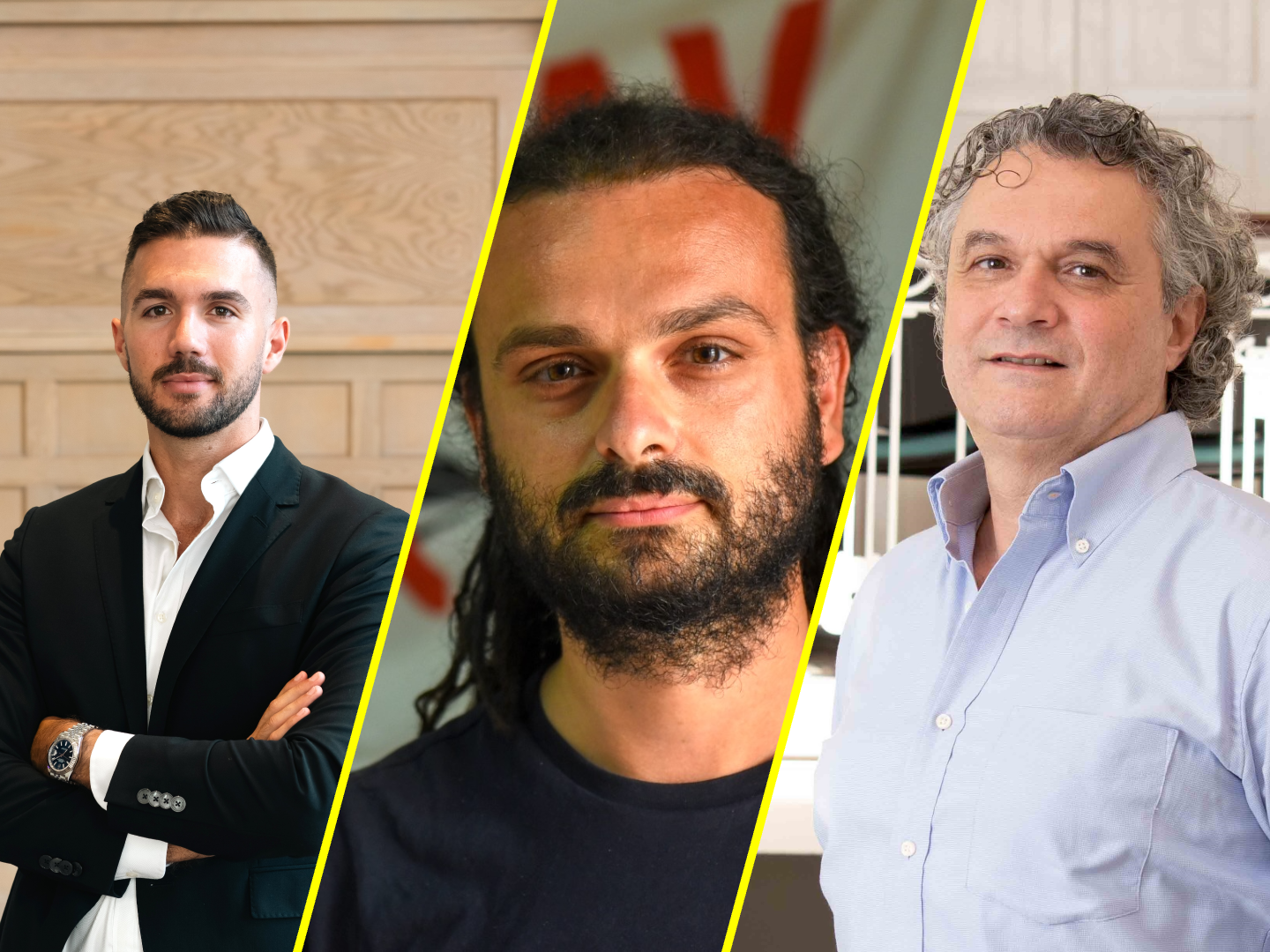



As Malta's property market matures, Zanzi's Steve and Michael Mercieca discuss technology, trust, governance and why the next decade will favour disciplined operators over growth-at-all-costs ambition.