

Creating space
Modern life rarely pauses. Yet amid the noise, deadlines and endless demands on our attention, the spaces we create—both around us and within us—have never been more important. Laura Maciulskaite reflects on why decluttering, mindfulness, and conscious living may be among the most valuable investments we can make in our wellbeing.
‘When we intentionally create space in our lives, we can intentionally decide what to fill it with.’ - Cait Flanders.
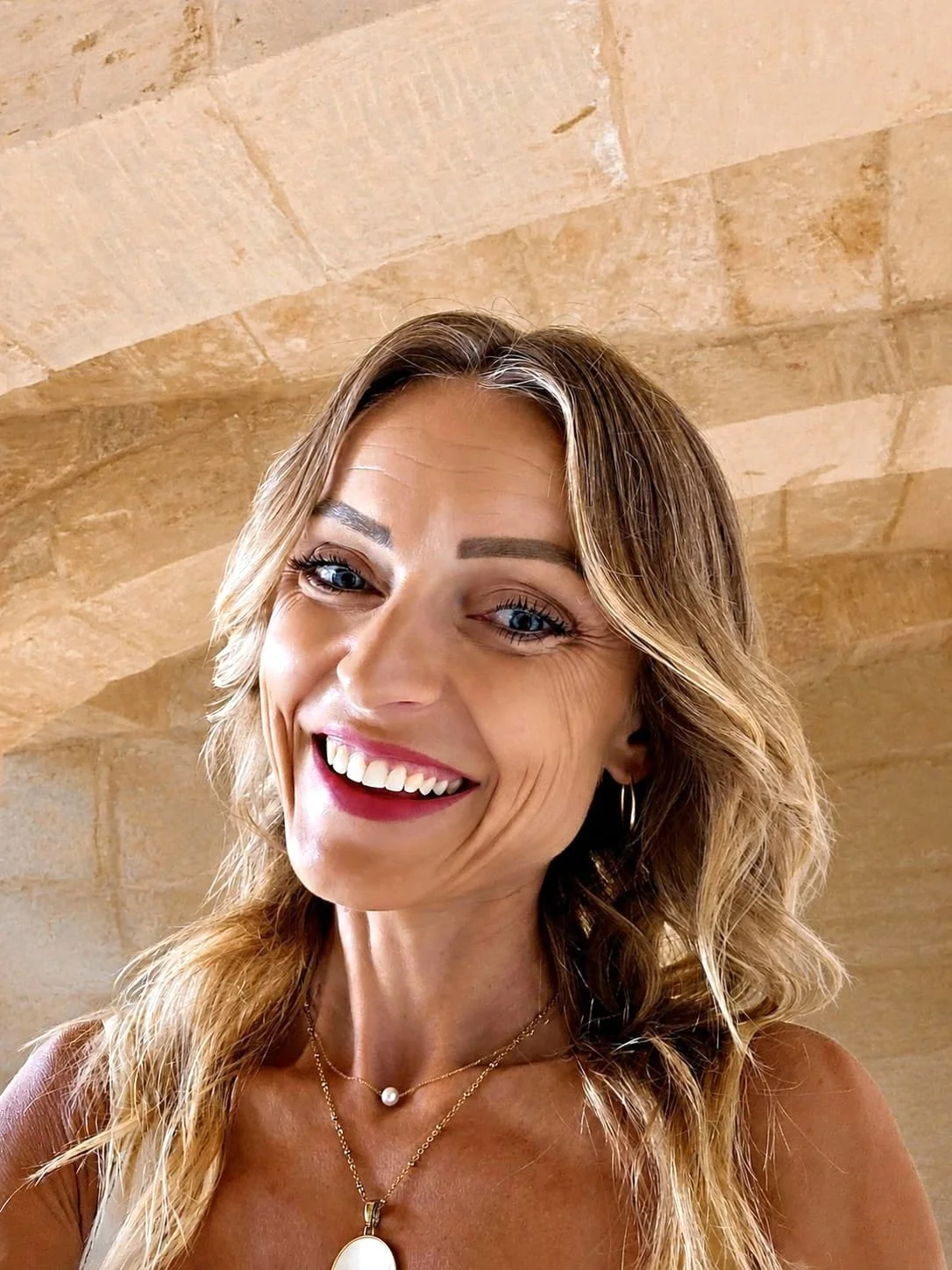
Monday morning. The week is just beginning, with its demands and promises. Alarm clock (several futile attempts to keep it snoozed), rush hour traffic, and before you even get to where you are going, inadvertently, your to-do list is expanding, schedule tightening, mailbox overflowing… If you manage to pause for a blink, you may already feel your shoulders are carrying too much… your body is tired, tense… your mind is full... I know. I have been there.
In a world that rarely slows down, pausing - let alone taking the time to focus on ourselves or our surroundings - seems like an indulgence. Paradoxically, though, as day-to-day grows more intense, the spaces we create - externally and internally - are becoming more important than ever. It is because our environments shape our physical, mental and emotional wellbeing as much as our routines do.
Beauty is undeniably inspiring: outer beauty can deliver inner serenity. Open, bright, airy, thoughtfully simple settings encourage a sense of balance by helping the body feel safer and more grounded. By contrast, cramped, chaotic, dark, excessively noisy spaces inevitably increase stress levels by instilling a lingering sensation of heaviness. Your nervous system can tell the difference: it responds accordingly.
Decluttering - beyond aesthetic considerations - is increasingly regarded as a form of self-care. Clearing, organising, and making small choices - although mundane - is impactful.
It puts our minds at ease. Letting go of unnecessary possessions - that may belong to past periods of our lives or outgrown versions of ourselves - often mirrors our emotional state. By releasing what no longer serves us, we make room for what nourishes us from within. In the present - the only moment that exists.
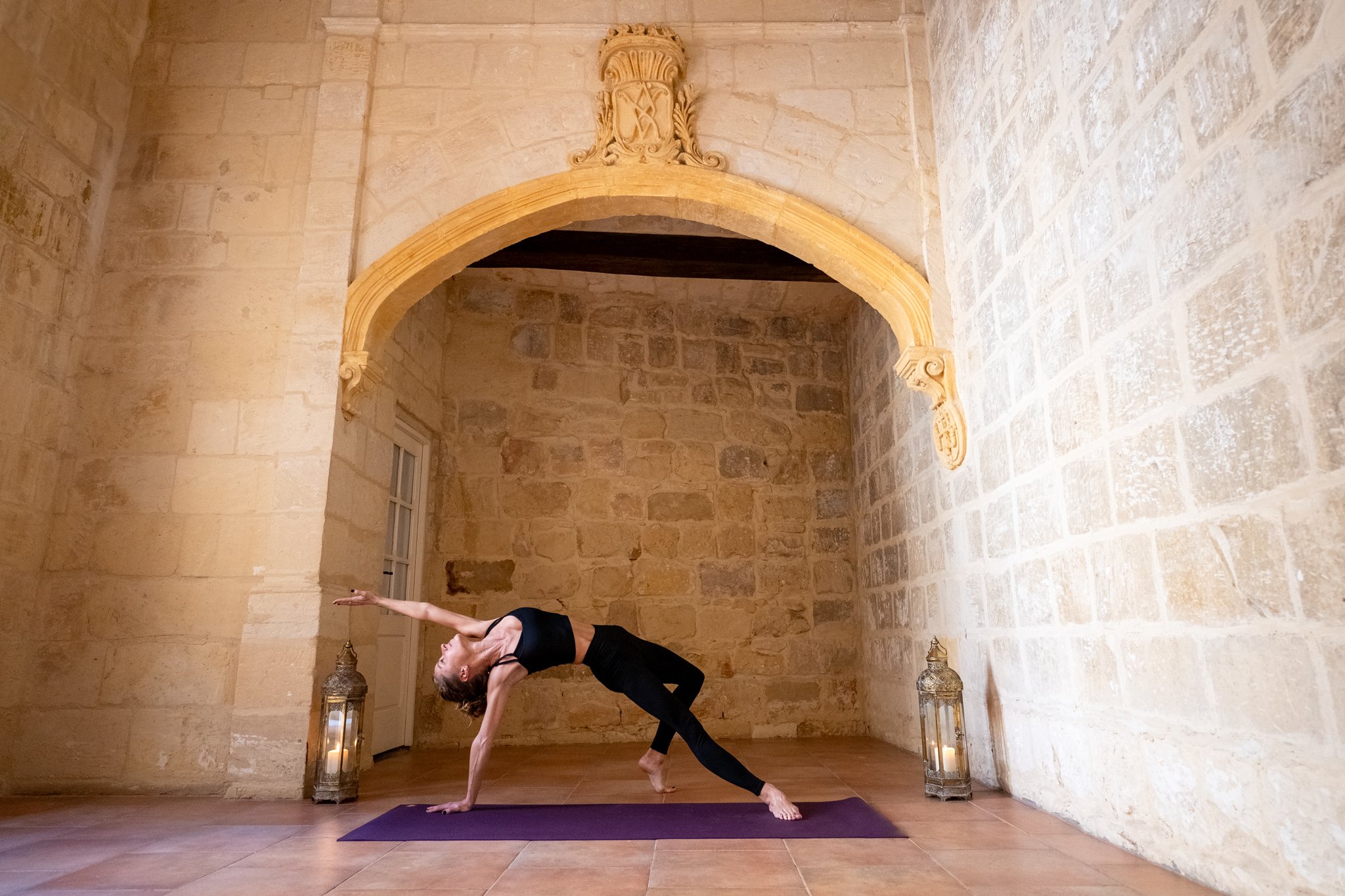
This shift towards mindful living closely aligns with yoga philosophy. Yoga is commonly misconceived as only a physical exercise for the flexible, the strong, the confident (...ever seen those ‘Instagrammable’ headstands?). Yet, in its essence, yoga is a holistic practice of creating space. Space to breathe deeply… to move with awareness… to surrender to stillness. Yoga reminds us that wellness is found not in constant productivity (doing), but in conscious presence (being).
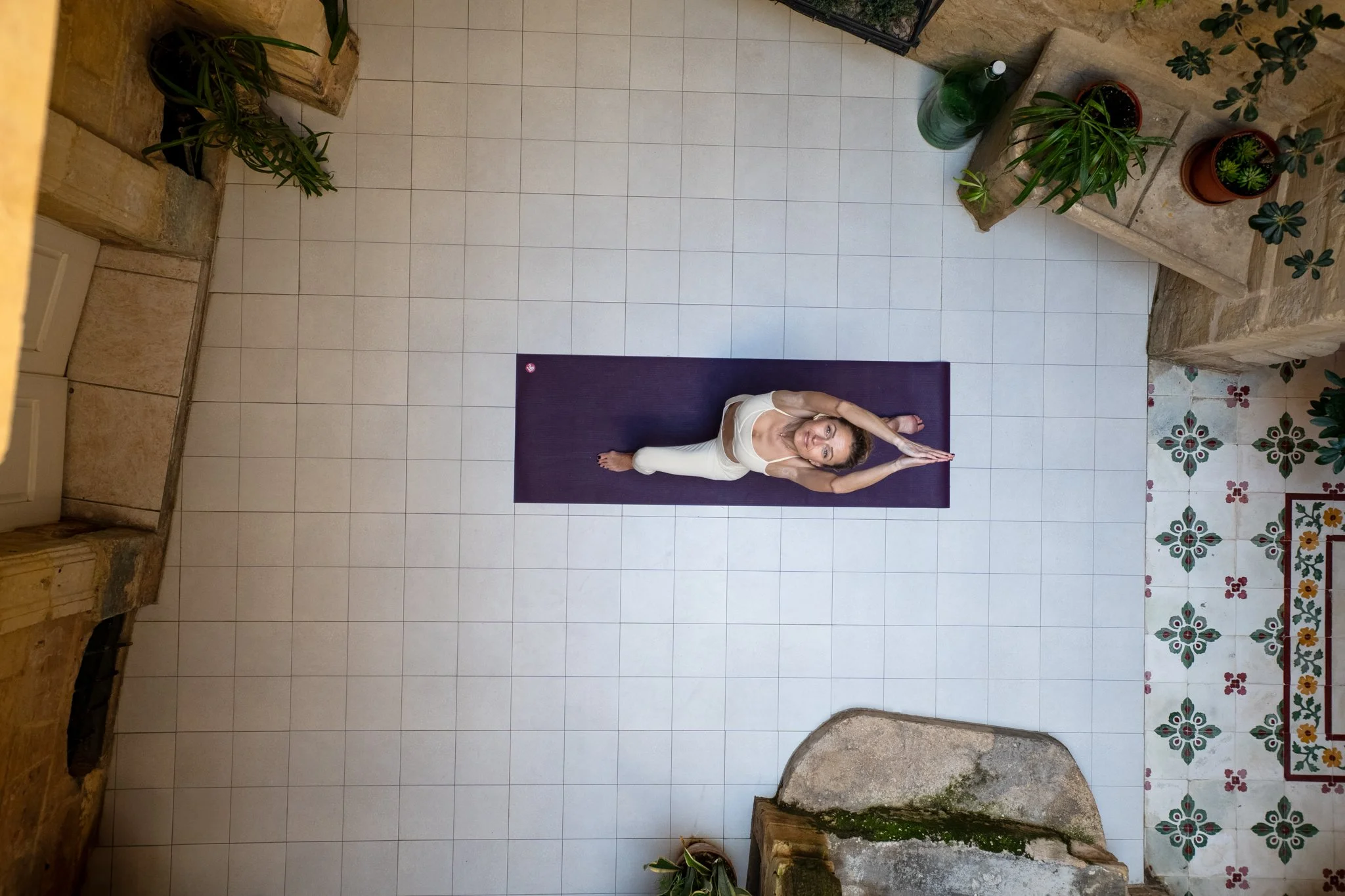
In a culture that glorifies busyness, choosing calm appears rebellious. However, the rising demand for more harmonious, restorative environments can be met. Ultimately, it is not about perfection or luxury. It is about intention. A silent meditation corner, a sunlit home, a congenial office, or a tranquil garden can become an oasis that invites us to slow down long enough to reflect and re-centre. Spaces that support clarity rather than overwhelm, focus rather than distraction. Spaces to which we retreat for peace - around and within. As the pace of life relentlessly accelerates and the quest for balance becomes a necessity, by shaping such spaces, we create an opportunity to (re)connect, to welcome inspiration, and to live well truly.
Just like in yoga, change - however gentle or profound - only starts the instant you decide to pause. So even if it is a hectic Monday morning… take the time. Inhale. Exhale. Begin. Try.
Laura Maciulskaite is a Certified Yoga Teacher: 200h RYT (Bali, Indonesia), 30h Yin Yoga (YACEP), 17h Meditation (YACEP), 19h Breathwork (YACEP). Previously, for 14 years, Laura occupied managerial positions in the humanitarian sector (migration). She holds an MA degree (distinction) in International Peace and Security from King's College London and a BA degree in Political Science from Vilnius University.




As Malta's property market matures, Zanzi's Steve and Michael Mercieca discuss technology, trust, governance and why the next decade will favour disciplined operators over growth-at-all-costs ambition.