

The architecture of forgetting
As Malta's urban landscape evolves, questions of memory, identity and belonging become increasingly important
As cranes continue to reshape Malta's skyline, the debate around development often focuses on economics, planning policies and property values. But what if the deeper question is not what we are building, but who we are becoming? Manuel Delia explores how architecture, urban planning and collective memory shape the society we create for future generations.
When the Knights of St John ruled Rhodes, they reserved a fortified quarter of the city, known as the collachio, for themselves. It was physically separated from the native population. When they moved to Malta and settled in Birgu, they recreated the arrangement. Even today, one can still find the stone bollards marked with the letter "C" that once marked the limits beyond which ordinary Maltese could not build their homes.
Cities teach people how to live together, or how not to.
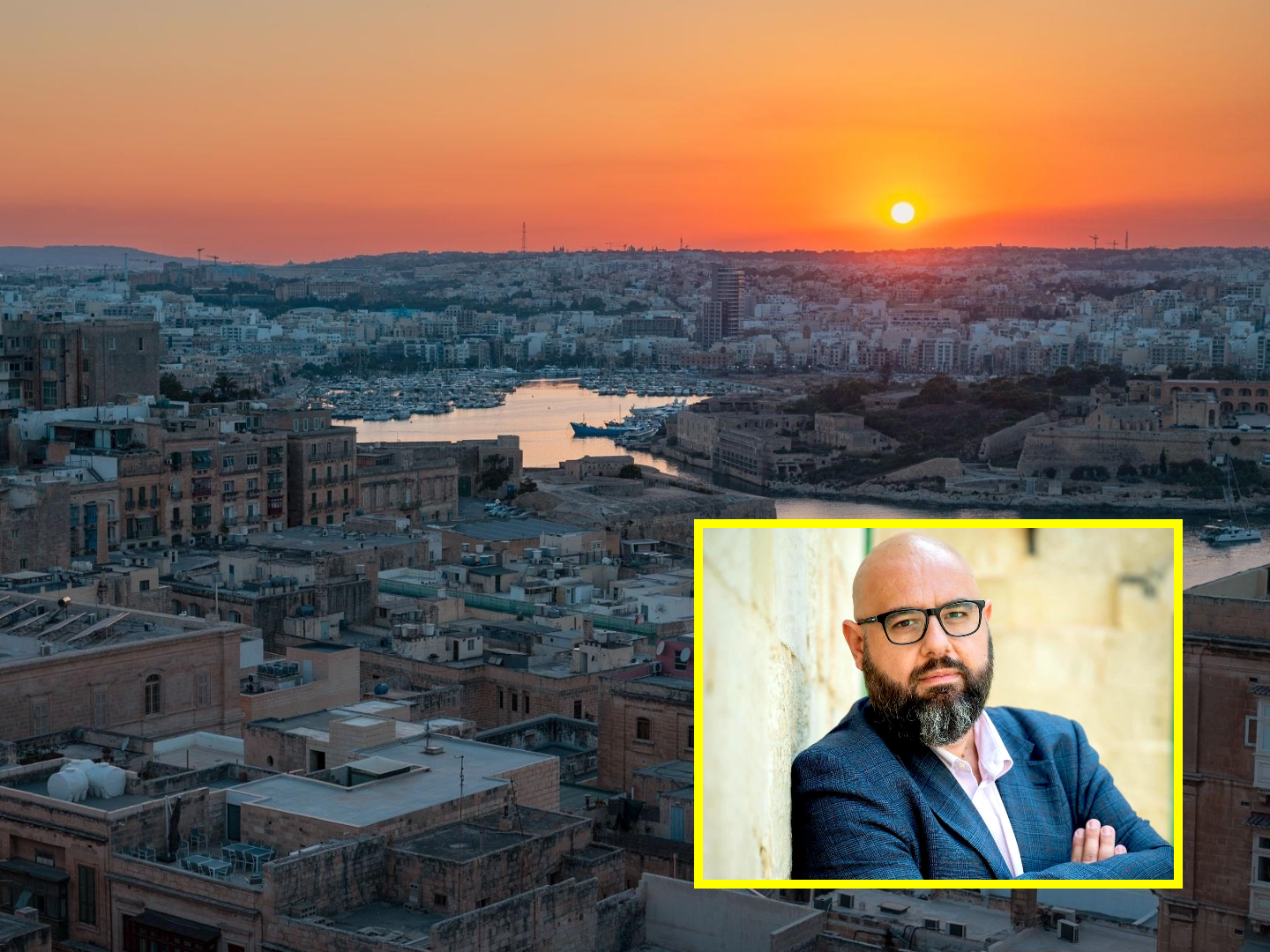
Perhaps the memory we inherited of Valletta is kinder than the reality ever was. Stark inequalities between rulers and the ruled still marked the new city the Knights built after the Great Siege. The palaces of the Order towered over a poor colonial population. But later generations chose to remember Valletta not as a divided fortress but as a shared civic space: dense, cosmopolitan, contradictory, alive. A city of merchants, dockworkers, sailors, priests, aristocrats, migrants, and labourers, compressed into the same urban fabric and, by geography, condemned to coexist.
Memory works that way. We do not remember the past as it was. We remember it as a story about ourselves.
That is why the way we build matters so profoundly. Buildings are not merely structures of stone and concrete. They are physical expressions of a society's beliefs about hierarchy, belonging, visibility, dignity, and power. Urban planning is not neutral. Cities organise proximity. They determine who sees whom, who avoids whom, who belongs where, and who disappears from view.
Modern Malta is building new collachios.
They are not marked by stone bollards stamped with the letter "C". Instead, they are marked by price, speculation, infrastructure, invisibility, and, increasingly, fear.
I am old enough to remember Sliema's façade before the transformation became irreversible. At Exiles, long, aligned rows of colonial buildings once faced the sea in quiet uniformity.
Whatever their architectural merits or limitations, they unmistakably belonged to the Malta of that time. They embodied a recognisable scale of life. Today, much of that frontage has disappeared beneath apartment blocks, speculative developments, and the architectural language of international capital, making Mediterranean waterfronts increasingly indistinguishable from one another.

Growth has reshaped Malta's skyline, but the challenge lies in preserving a shared sense of place along the way
I am also old enough to remember my childhood home. It no longer exists. In its place stand several cramped dwellings, stacked within the footprint where one family once lived.
There is certainly nostalgia in that memory. It would be dishonest to deny it. But nostalgia alone cannot explain the unease many Maltese feel when they struggle to recognise the country they inhabit. Nor can it erase the fact that many of us, myself included, benefited materially from Malta's transformation. Property values rose—opportunities multiplied. Prosperity expanded. Valletta itself, once deserted after dark, has become crowded with visitors, restaurants, bars, hotels, and economic activity unimaginable a generation ago.
Yet even there, the feeling is ambiguous. Revival easily slips into exhaustion. Tourism into spectacle. Vitality into excess. One can walk through Valletta today and feel both admiration and discomfort.
That contradiction matters because this is not an argument against development, modernity, or economic growth. Malta desperately needed renewal. Post-war Malta was poor, stagnant, overcrowded, and dependent. The country that emerged from the devastation of 1943 rebuilt itself through collective sacrifice and astonishing determination. Entire neighbourhoods rose from the rubble. Infrastructure was modernised. Families who had lived in deprivation for generations experienced security and mobility for the first time.
But reconstruction was, however imperfectly, guided by a sense of common destiny. The war had imposed solidarity because survival itself depended on it.

Modern development continues to redefine the island's coastline, transforming both its appearance and the way people experience urban life
Our current prosperity often seems to have the opposite effect.
Development increasingly reflects not the idea of a shared society but its fragmentation.
The inequalities that persist in Malta today are not new. The Malta of the Knights and the British Empire was deeply unequal. But independent Malta narrowed many of those gaps. The children of labourers entered professions once reserved for elites. Public education expanded opportunity. Economic growth, industrialisation, and the welfare state compressed social divisions that had once seemed immovable.
We are widening them again.
And the divisions are increasingly being etched into the landscape around us.
Luxury developments rise beside overcrowded neighbourhoods, where the labour force that sustains the economy vanishes from view at the end of the working day. Malta increasingly depends on migrant labour across construction, transport, care work, delivery services, tourism, and hospitality. Yet our urban life often treats these workers as if they should remain permanently invisible: downstairs, backstage, hidden from the imagined continuity of "traditional" Maltese life.
This invisibility is not accidental. It is built into the organisation of space.
There are growing parts of Malta where wealth circulates through guarded entrances, private car parks, rooftop pools, and investment properties that often remain dark for much of the year. And there are other parts where overcrowding, neglect, and precarity concentrate those whose labour keeps the first world functioning.
These are new collachios.
We increasingly speak of "good areas" and "bad areas", of places that feel safe and those that do not, of neighbourhoods where foreigners are too visible and others where wealth has insulated itself almost entirely from ordinary social contact. The language is becoming more familiar, and perhaps more dangerous, than we admit.
One of the strangest contradictions in Malta's cultural anxieties is particularly clear here.
The prospect of visible places of worship for Muslims, Hindus, or other minority communities often provokes intense public discomfort. Many react as though such buildings would signal the collapse of Maltese identity itself. Yet at the same time, replicas of Dubai skylines continue to rise across the island with remarkably little cultural resistance.
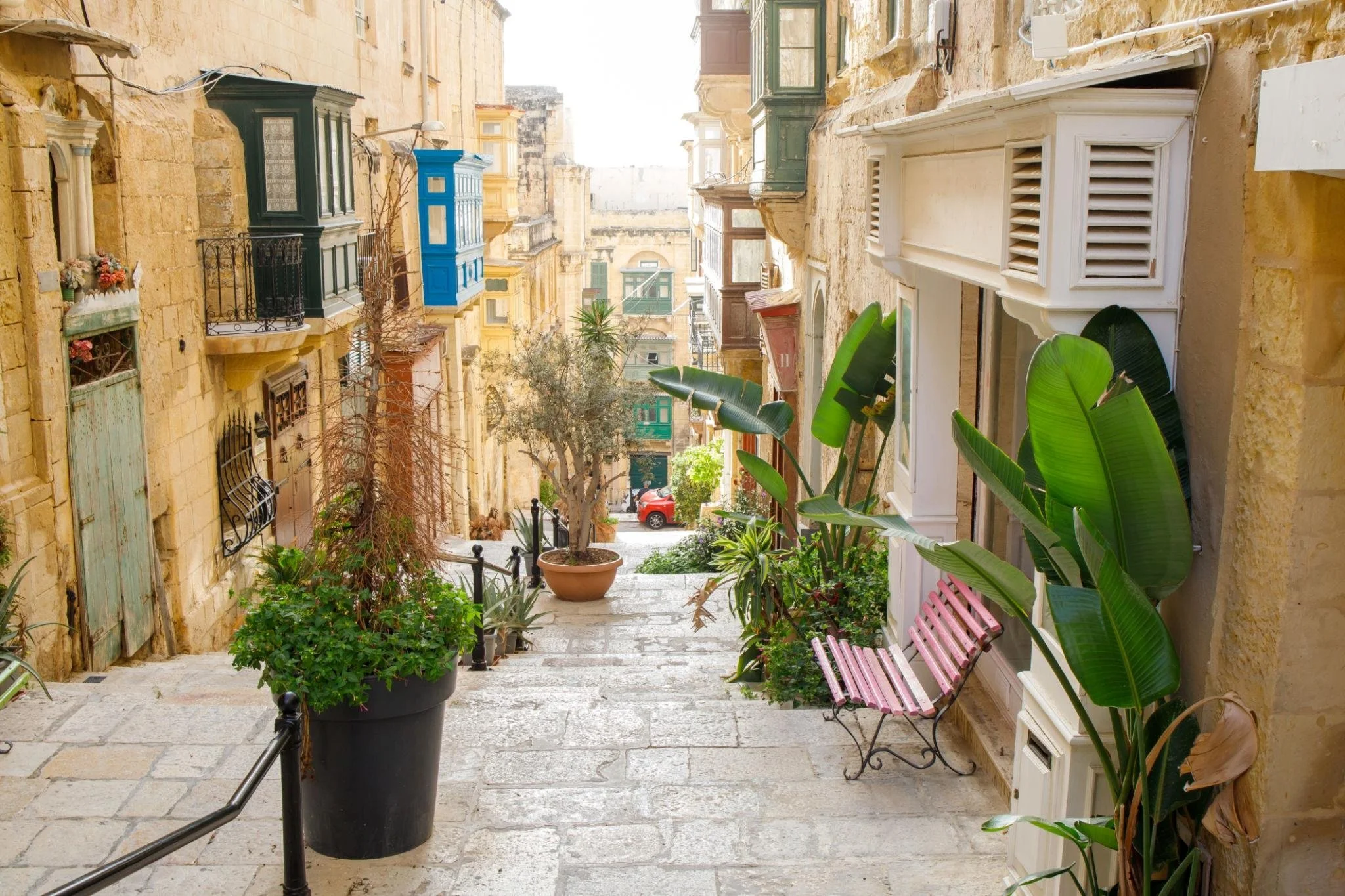
The character of a city is found not only in its architecture, but in the everyday spaces where community takes root
Grotesquely overpriced franchise restaurants spread through developments whose architecture could belong almost anywhere, and therefore, in a deeper sense, nowhere.
A Maltese mosque is easier to imagine than a Maltese glass tower.
The irony is not merely architectural; it is moral.
We often treat cultural identity as threatened primarily by the visible presence of foreigners, while remaining strangely indifferent to the far more radical transformation imposed by speculative urbanism and globalised capital. We fear symbols of difference while embracing forms of development that steadily erase the social, historical, and physical continuity that once enabled people to recognise themselves in the places they inhabited.
This matters because democracy depends not only on institutions and elections but also on habits of coexistence. On learning to encounter strangers without fear. On recognising that people, unlike ourselves, nevertheless belong to the same civic community. Cities once forced that recognition upon us. Mediterranean urban life compressed social classes, generations, occupations, and families into uncomfortable yet unavoidable proximity.
Modern development increasingly enables separation instead.
The wealthy withdraw into insulated spaces. The poor become geographically concentrated. Migrants remain socially temporary, no matter how permanent their economic role becomes. Entire neighbourhoods lose continuity as speculative turnover replaces rootedness. Homes become investment vehicles before they become places where life happens.
And when people stop imagining themselves as sharing a common civic fate, democratic culture weakens long before democratic institutions formally collapse.
Perhaps that is the deeper architecture of forgetting, now taking shape around us.
Not merely the forgetting of old façades or demolished townhouses, but the forgetting of solidarity itself. The forgetting that a city is not simply a collection of profitable surfaces but a moral arrangement among people who must somehow continue to live together.
There is still time to remember otherwise.
Malta has rebuilt itself before, under far harsher conditions than these. The ruins of war once compelled the country to imagine a common future beyond private enrichment alone. We are wealthier today than any previous generation of Maltese could have imagined. Yet prosperity without solidarity risks producing a society that is materially successful yet civically exhausted.
The question is not whether Malta should continue developing. It will.
The question is what sort of society we are physically constructing as we do.

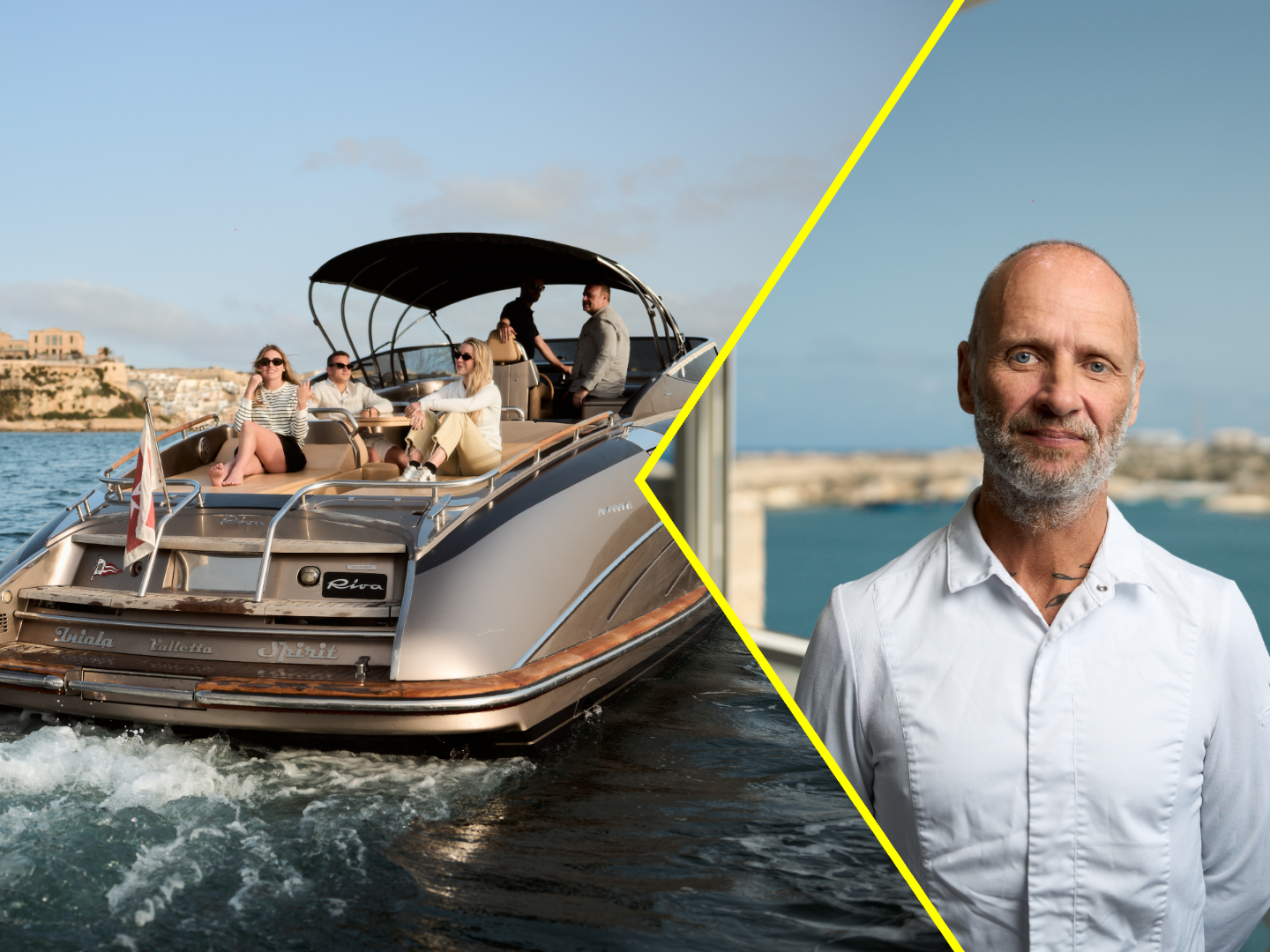

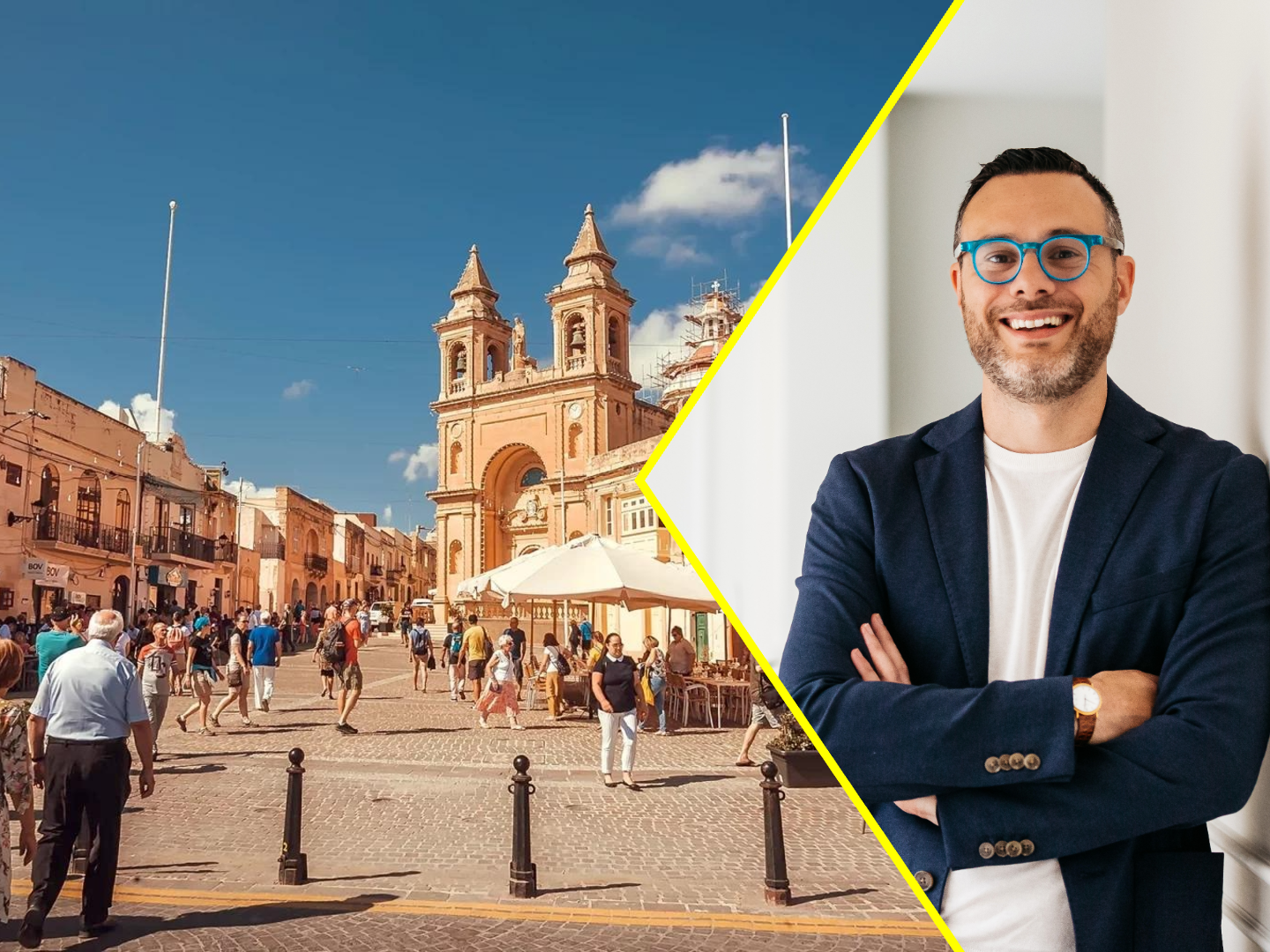
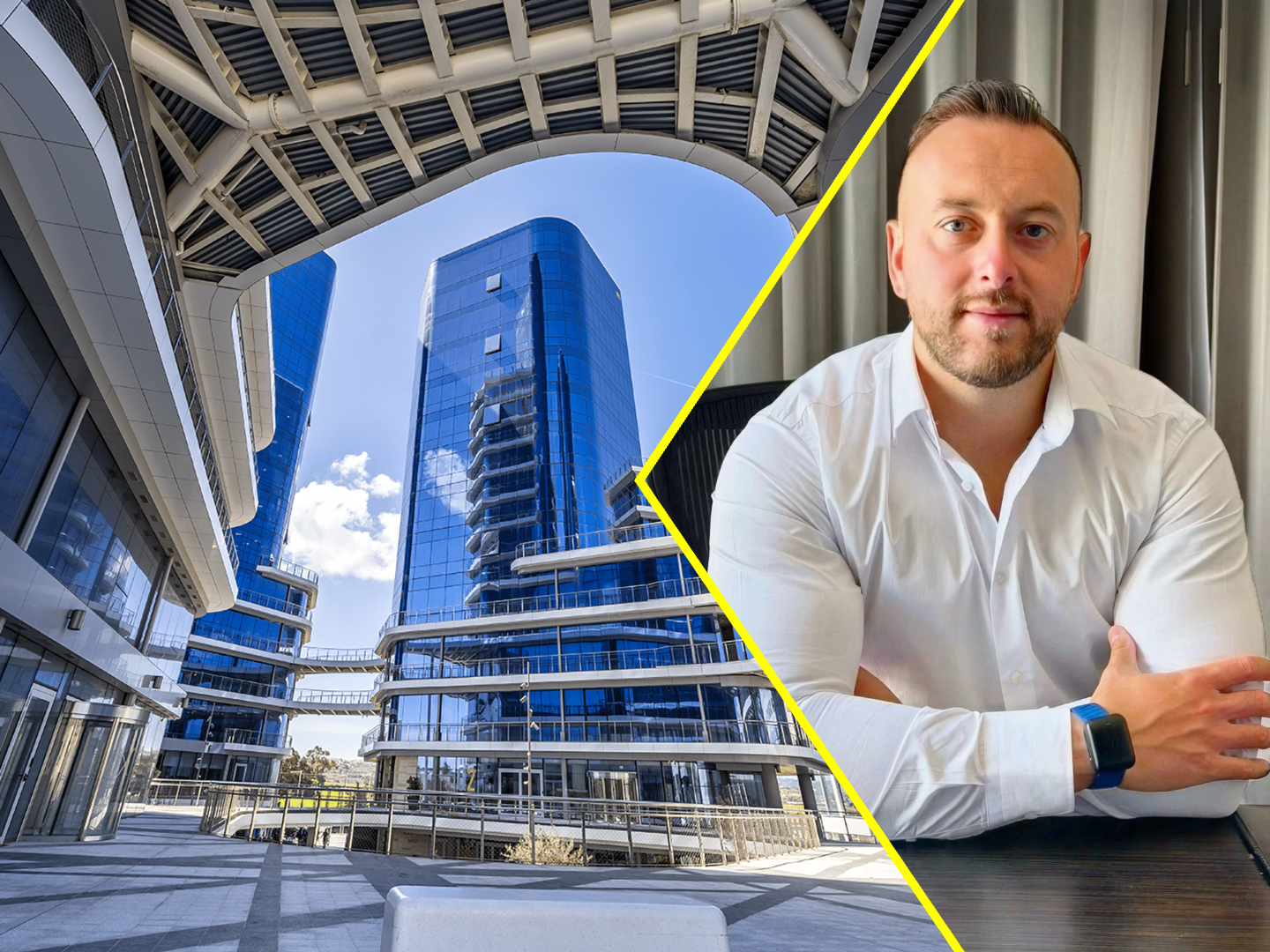
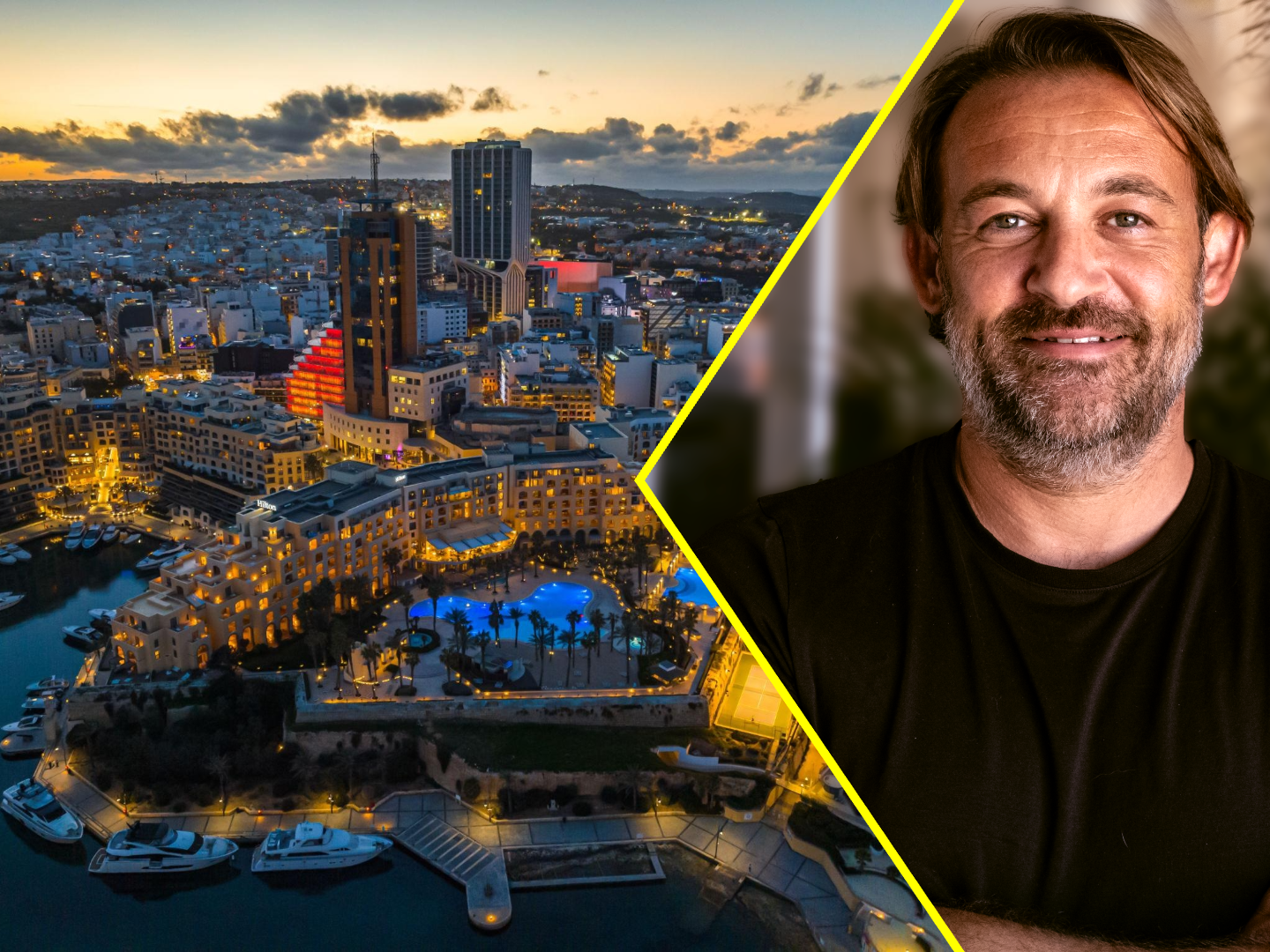


As Malta's property market matures, Zanzi's Steve and Michael Mercieca discuss technology, trust, governance and why the next decade will favour disciplined operators over growth-at-all-costs ambition.