

Who governs Malta's built future?
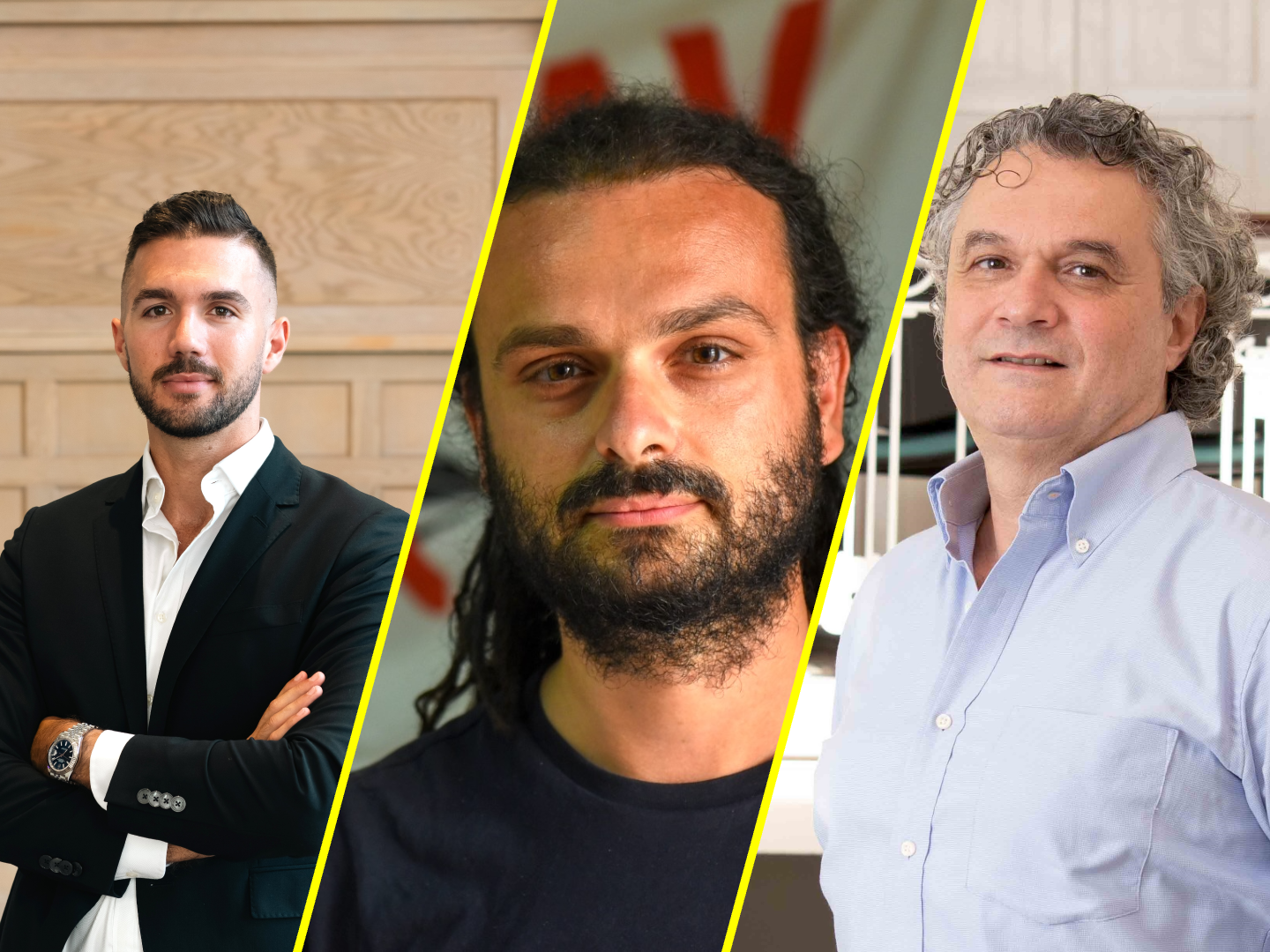
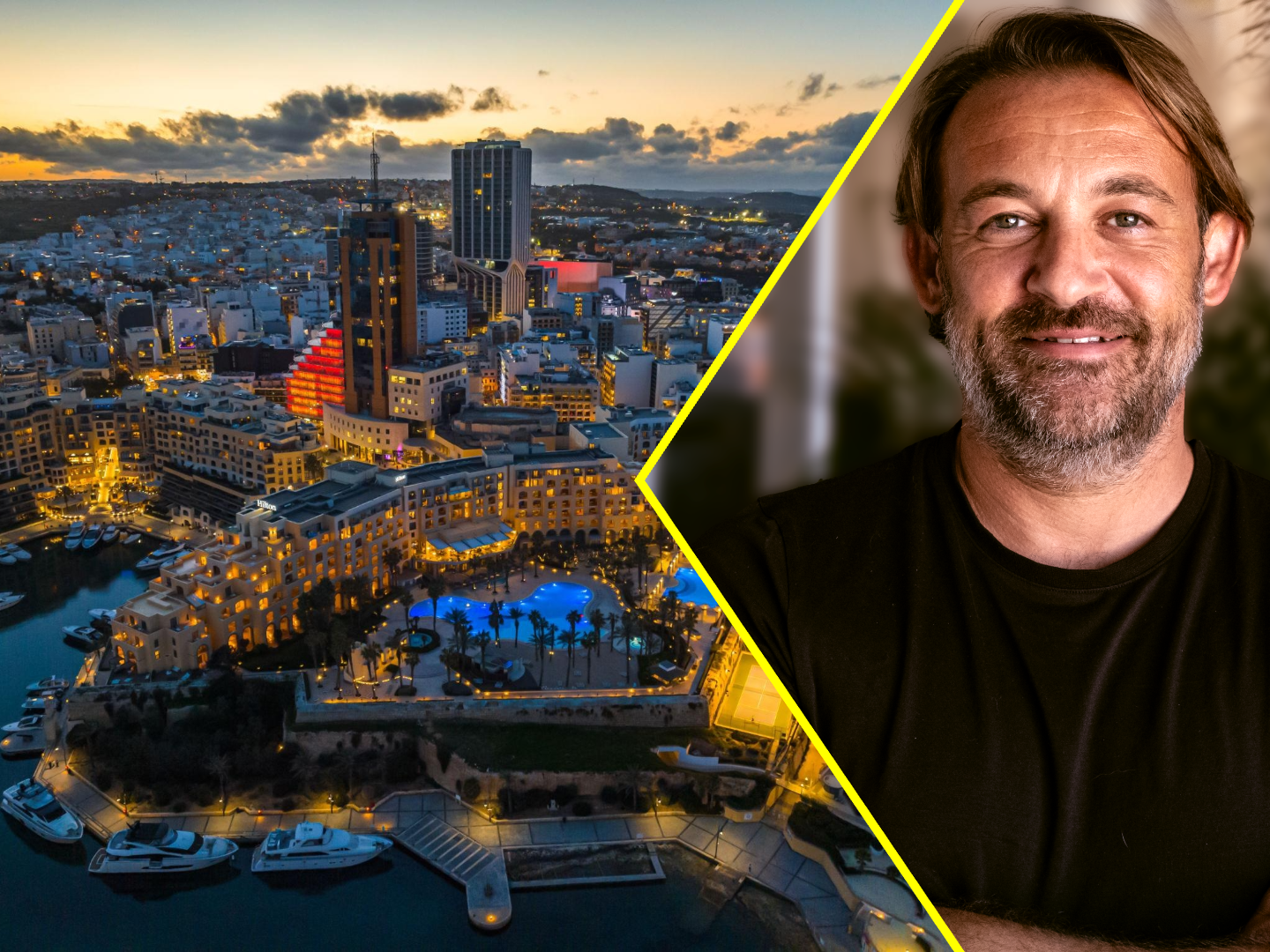
Leo Chetcuti, Andre Callus and Marc Bonello
Malta has approved enough new homes over the past decade to house far more people than recent population growth would suggest. Vanessa Macdonald explores what this building boom reveals about the country's priorities, planning system and vision for the future.
Here is a sobering statistic: almost 88,000 dwelling units were approved by the Planning Authority over the 10 years from 2015 to 2024.
Stop and think about that for a moment: we have added just under 140,000 people to the population, but approved 88,000 units – which at the same household size would be enough for 211,000 people…
The thought that we have enough approved units for an additional 70,000-odd people should fill us with dread. Are we planning to add another 70,000 to our population? How on earth would we cope if we are already complaining about overdevelopment?
And there is more to be gleaned from the Planning Authority site: over a quarter of those units – 21,255 – were on greenfield sites, either undeveloped land or airspace.
How do the political parties view this construction? Momentum dedicated quite a few points of its manifesto to it, calling for a two-year moratorium on all permits for high-rise buildings of 10 or more floors and an overall national planning strategy before approving developments.
And it is not only political parties that are concerned: so are activist groups. Early in the campaign, 10 NGOs, part of the Ġustizzja għal Artna campaign, were taken aback by reports that Prime Minister Robert Abela said the Government and NGOs had moved toward greater convergence on various points of planning reform.
"The NGOs wish to clarify that there has been no convergence at all with the Government about the proposed planning reform. The few revisions that were proposed left a dangerous and unsalvageable reform which should not be presented again."
What about the two main parties?
The Labour Party pledged to block developments during the appeal phase of applications, but as part of its planning reform. The PN had also agreed to freeze construction during the appeal phase, but both parties pledged to review the local plans for Malta and Gozo.
What does the future hold for Malta's built environment? This question touches on various aspects, including how many units the islands can sustain. Where would these units be? Will there be demand for them once they are built? And how safe are they, given the frantic pace at which they are being built, with each developer trying to get theirs done and to market before the market is saturated?
The future will depend on various factors, including the Malta Development Association and its members, as well as the activist group Moviment Graffitti (and other NGOs).

"Improving standards requires a collaborative effort between regulators, industry participants and professionals alike."
Leon Chetcuti
To start with, 'Malta Development Association' is not a typo: it was originally called the Malta Developers' Association in 2011. However, its CEO Leon Chetcuti explained that the name change reflected "the natural growth and expansion of the organisation over the years".
"What initially started as an association primarily representing developers gradually expanded its structure and representation through the introduction of various specialised sections, which today amount to eleven distinct sections encompassing stakeholders across the entire development and construction ecosystem — from the early planning and design stages, to construction, finishing, suppliers and ancillary services," he explained, adding that this was important because the realities of the industry required a broader and more holistic approach.
"The Association recognised that meaningful and sustainable progress can only be achieved when all stakeholders forming part of the sector are represented and consulted," he added.
"As a result, the Association's positions and proposals are today formulated not solely from the perspective of developers, but in a manner that takes into account the interests, responsibilities and realities of the industry as a whole. This allows the Association to put forward concrete and balanced proposals which genuinely benefit the sector and the country."
One of the realities the Association must face is regaining public trust, especially after partial or full collapses. He acknowledged the importance of trust, saying it was "absolutely fundamental for the long-term sustainability of the sector". The MDA, he pointed out, had consistently been at the forefront of pushing for improvements in standards, regulation and accountability within the industry, including the introduction of contractor licensing, the implementation of skills cards, stronger regulation, better site practices and increased professionalism.
"These are measures which the Association pushed for well before they became mainstream public discussion points," he said.
"While no system can realistically guarantee that incidents will never occur, what is essential is that every possible safeguard is implemented to minimise risks and continuously raise standards. The MDA firmly believes that improving standards requires a collaborative effort between regulators, industry participants and professionals alike. With that said, the MDA remains committed to continuing to advocate for practical reforms, proper enforcement and a culture of responsibility throughout the sector."
The issue is what happens when standards are not met? Although the MDA's statutes and Code of Ethics provide for disciplinary mechanisms applicable to all members, to date, no formal request for disciplinary proceedings has been made before the Association under those provisions.
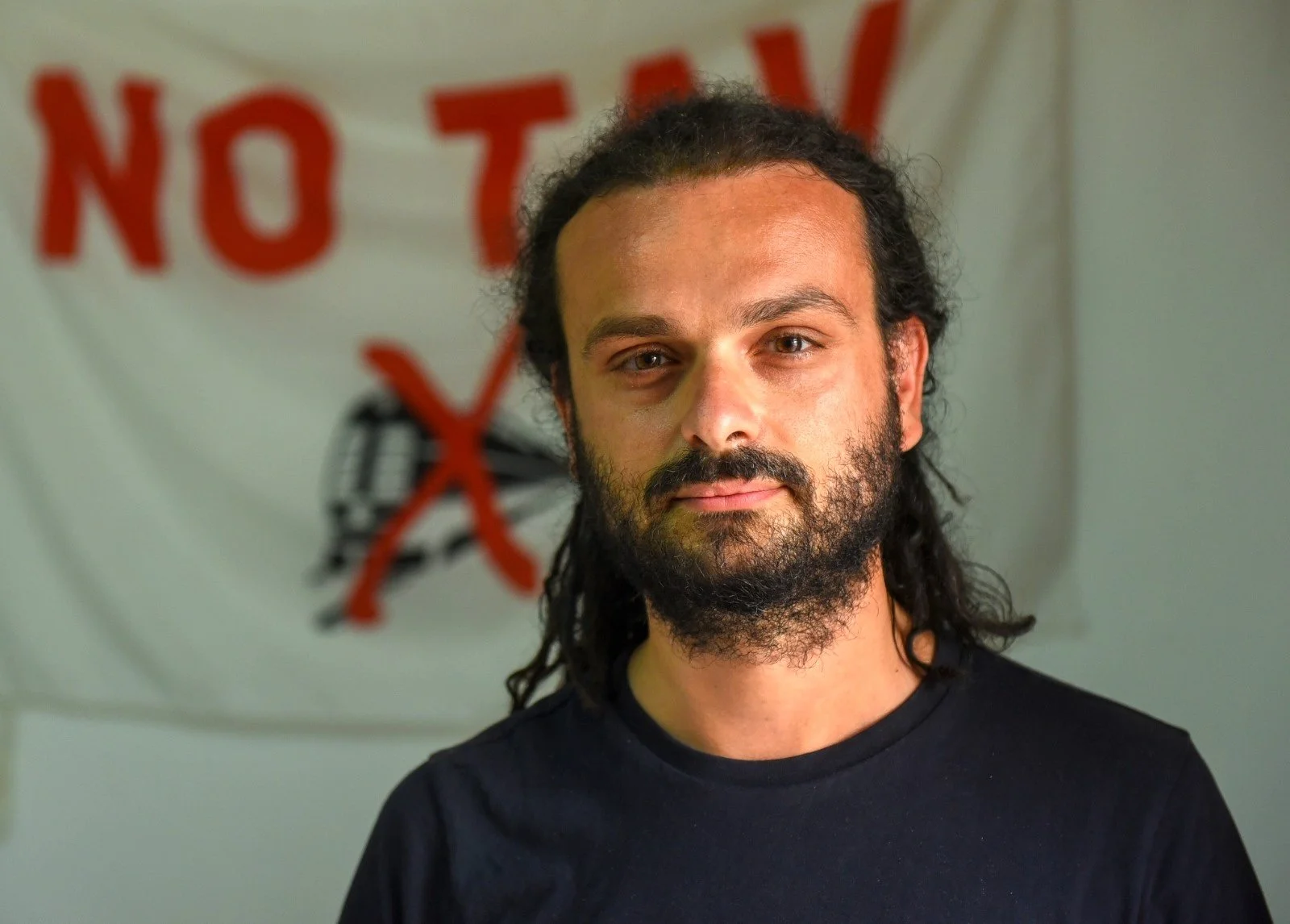
"Current rates of construction are totally unsustainable. Urban spaces are becoming intolerably congested and aesthetically hideous."
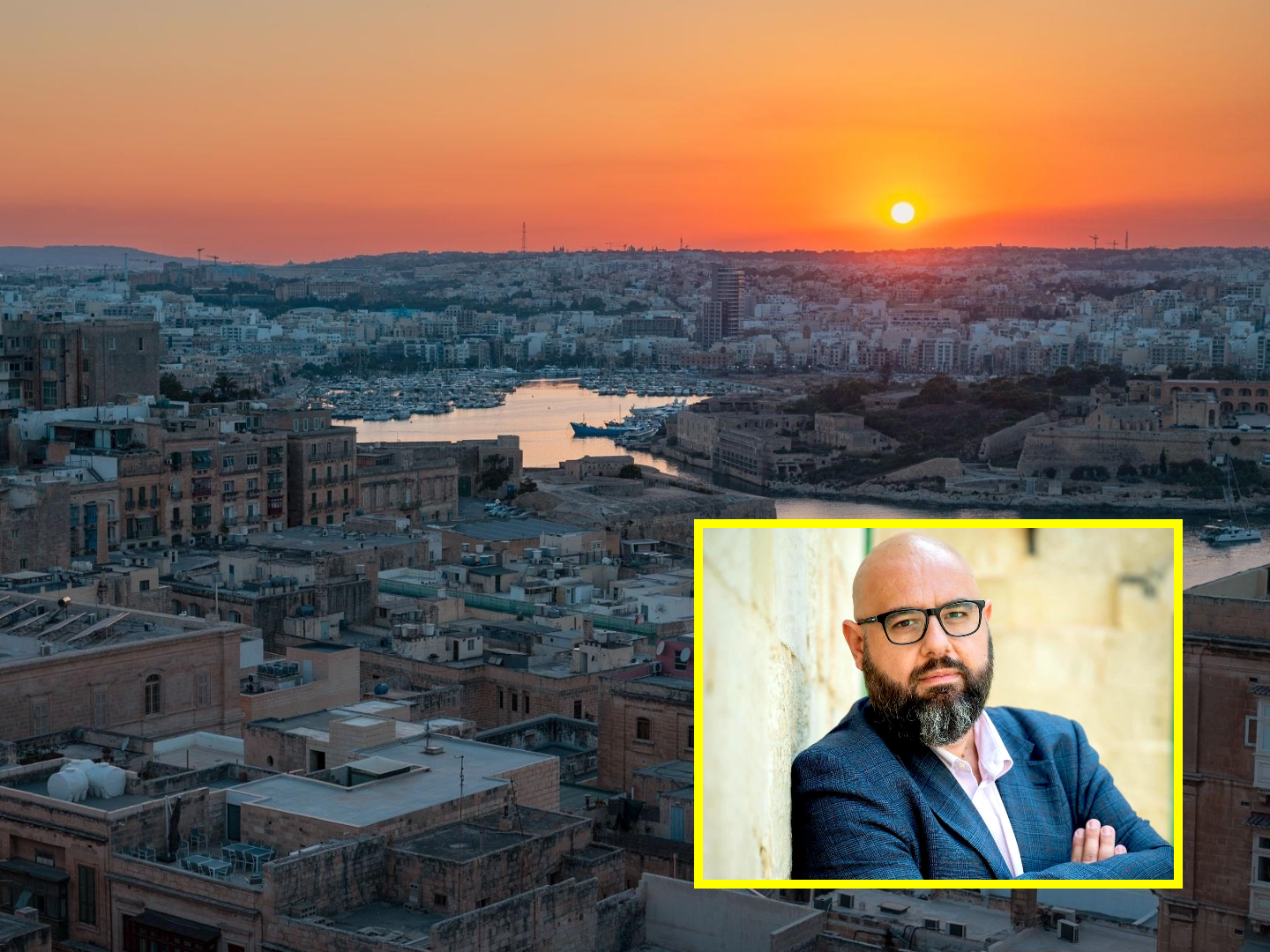
Andre Callus
And what about public opinion? Who can raise issues at every stage of planning? One of the ever-present voices is Andre Callus of Moviment Graffitti, who argues that "current rates of construction are totally unsustainable".
"Urban spaces are becoming intolerably congested and aesthetically hideous, farmers and their agricultural land are increasingly falling victim to speculative pressure," he said.
He blames the situation on what he describes as "a deep-rooted problem sustained by a multilayered system".
"From the Planning Authority and the Building and Construction Authority, to authorities supposedly tasked with protecting our cultural and natural environment, such as the Environment and Resources Authority and the Superintendence of Cultural Heritage, there is constant and unrelenting bad faith.
"Decisions are not taken based on genuine evaluation, but according to who in the business and political world is pulling the strings. This is plain for all to see, and one can witness the despair of residents' groups, environmental NGOs and heritage organisations when dealing with authorities that refuse to listen to reason, because everything has already been decided behind the scenes," he said.
He did not spare the main political parties either (including the Opposition), saying that: "Authorities are dysfunctional when it comes to serving the common good, yet highly functional when it comes to sustaining the profits of big business and preserving the architecture of power. They are neither independent nor transparent, and they follow the wishes of other powerful individuals, whether elected or otherwise. This, in turn, is symptomatic of the incestuous relationship between politics and powerful business interests, particularly developers. These finance political parties and individual candidates, while also occupying pivotal positions within influential social networks," he said, saying that political expediency and profit became the overriding consideration, as opposed to the common good.
He also blamed the economic model, which he said was obsessed with growth rather than fair wealth distribution or a decent quality of life, with the construction industry a central feature.
"The unhindered economic activity on which our country has become dependent … requires buildings for the growing workforce, for restaurants, bars, hotels, offices and countless other activities," he lamented.
He lauded the work being done to challenge construction, but breathed a sigh of relief that plans to introduce two planning bills last year were thwarted. These would have rendered planning rules and regulations largely redundant by establishing the supremacy of the Planning Authority and the Planning Minister.
"Luckily, we stopped them in their tracks through organised public resistance, and the bills were automatically dropped, before even being discussed in Parliament, following its dissolution," he said.
However, the threat remains: he said that talk of changing the Local Plans sends shivers down the spine of anyone aware of what is happening in the planning sector.
"It is important to note that court victories often hinge on the Local Plans. In many instances, the Planning Authority seeks to appease developers by granting them more than permitted under the Local Plans, only for the courts to rule such decisions illegal. Through the now-defunct bills, they sought to weaken the status of the Local Plans by placing Planning Authority decisions and regulations above them in the legal hierarchy.
"Having failed in this malicious exercise, they may now seek to change the Local Plans themselves to open up even more areas for construction and intensify development in areas already burdened by it."
So where does Malta stand, between the MDA and the activist groups fighting "with every shred of energy and passion we possess"?
There is a way to avoid extremes: In April, the Ġustizzja għal Artna campaign, created by 10 organisations in response to the planning bills, put forward four simple, common-sense proposals for the real planning reform that Malta needs.
One of these was the suspension of works during planning appeals, which the Government had promised in 2023 but which has not yet materialised.
Other reforms address enforcement and the re-inclusion in ODZ of lands that have not yet been legally committed and were affected by the 2006 rationalisation exercise, and which retain agricultural, natural, social or historical value.
Callus knows that the road ahead will not be straightforward: "We are under no illusion that a political class so compromised by its intimate relationship with developers, and so dependent on an unsustainable model of endless economic growth, will readily accept our proposals, however basic and self-evident they may be."
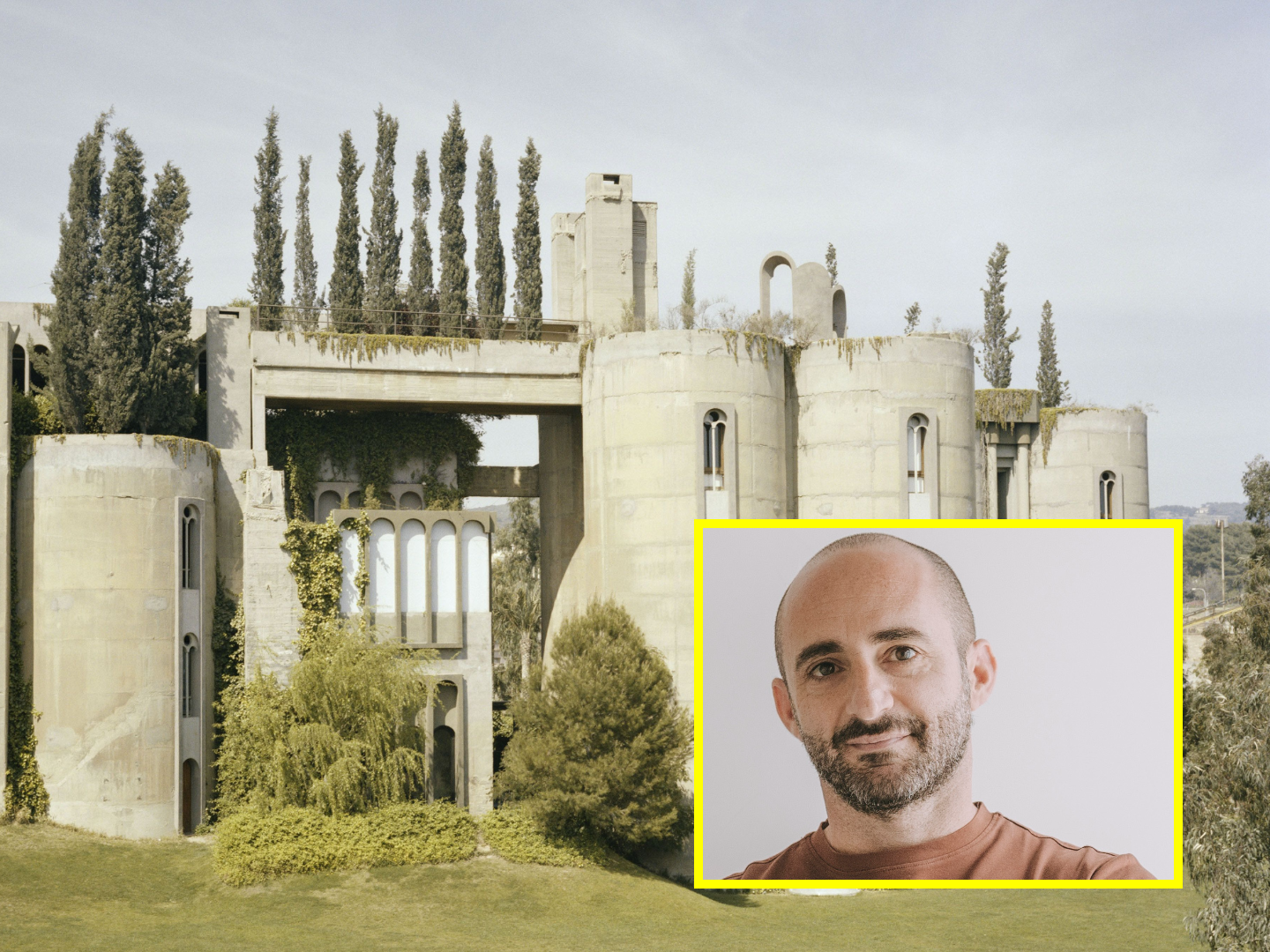
Is there any glimmer of hope that the quality and quantity of our built environment can improve? For this, we must look to the new batch of architects and civil engineers. Marc Bonello, the Faculty Dean & Head of Department of the Department of Civil & Structural Engineering at the University's Faculty for the Built Environment, believes that whatever the type of design, but especially in the design of buildings, "the designers need to be grounded in a sound educational background and training in their profession".
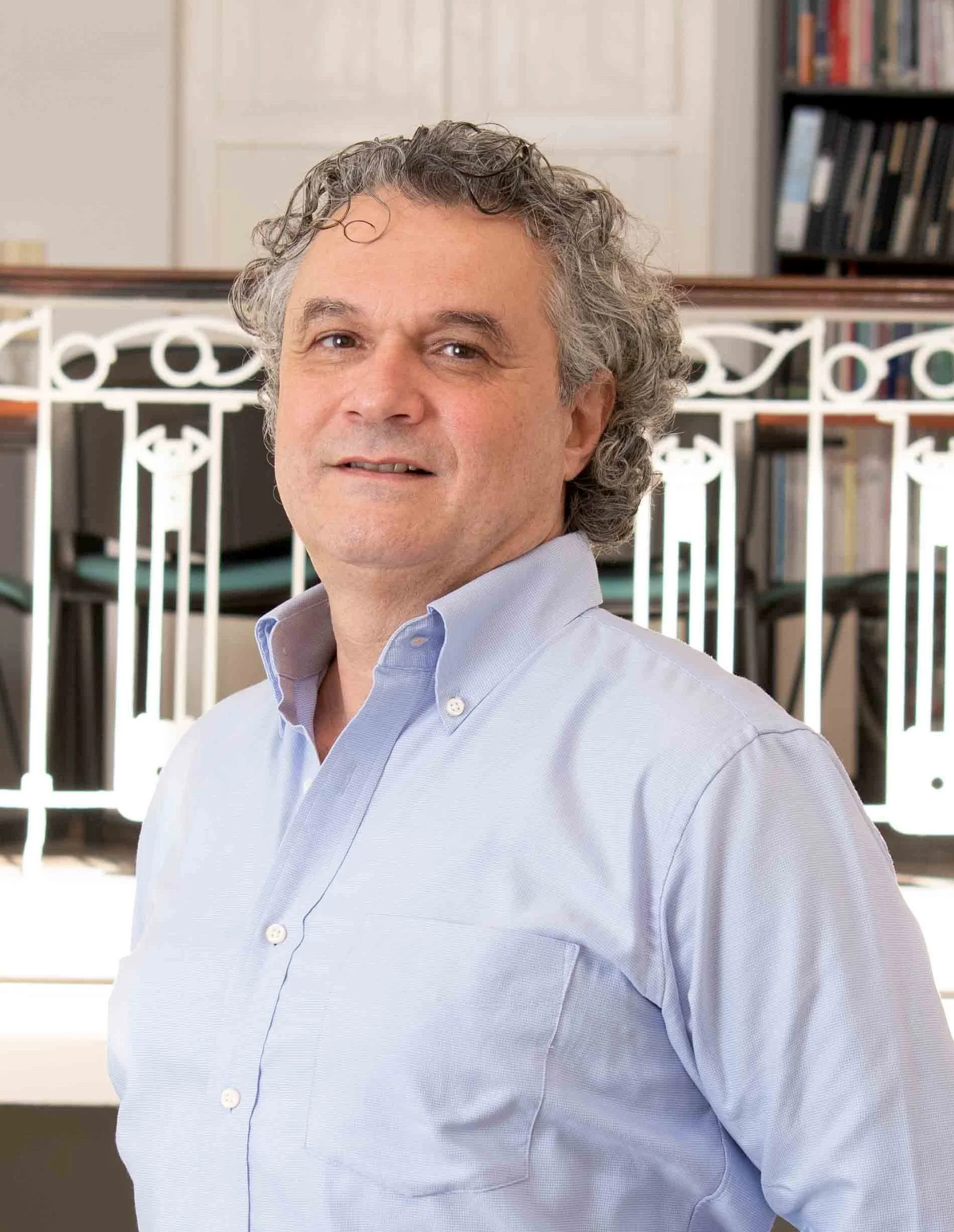
"The intention is to carry out frequent and regular targeted and random tests on construction materials to ensure that minimum standards are met."
Marc Bonello
"Over the past decades, the role of Perit (Architect & Civil Engineer) in Malta has evolved from the traditional notion of the village architect into the modern architect with multi-disciplinary design skills. This type of competence can only be obtained through a strong joint architectural and engineering design tertiary-level programme, such as those offered by the University of Malta," Prof. Bonello said.
Another way to improve our built environment would be to make it more sustainable, which, he stressed, had to be taken into consideration from the outset.
"In recent years, sustainability has been used so much in every sphere of life that it risks becoming a cliché. Sustainability measures are often seen as add-ons to a final design to make the project more user-friendly or environmentally friendly.
"However, sustainability must be considered in design as a transversal strategy, cutting across several often conflicting design objectives simultaneously with the need to achieve a final compromise, which will ultimately constitute the final design project. In this respect, technology – particularly Artificial Intelligence (AI) – allows the designer to deal far more efficiently with the demanding task of achieving this final compromise by balancing the required design objectives," he explained.
So much for sustainability, but what about accidents and failures? His answer was thoughtful and pragmatic: "In any industry, particularly the construction industry, it is virtually impossible to prevent accidents and/or failures. It is inherent to this activity, which, like any other human activity, carries a certain risk of failure.
"On the other hand, it is within our reach and duty to take all the necessary feasible measures, which are intended to minimise the risk of accidents and/or failures. Such measures often begin in the design office, even before construction, to ensure that the structural and constructional engineering design complies with EU and international design safety standards. Other measures include appropriate quality assurance and control measures on-site on construction materials and processes during the construction stage," he said.
Things have improved over the years, at least on paper. On-site quality assurance and control measures have nowadays become a contractual requirement for almost every construction project.
However, the devil – as they say – is in the detail. Prof. Bonello said: "The intention is to carry out frequent and regular targeted and random tests on construction materials, such as poured in-situ concrete, concrete blockwork wall units, steel bar reinforcement, block and stone mortar, etc., to ensure that the type and quality of the construction materials used on site conform to the minimum mandatory standards prescribed in the technical specifications of the Contract of Works. In this manner, ensuring quality of construction goes a long way to minimise the possibility of accidents and/or failures."
However, he also believes that the work does not stop once the building is up: "More importantly, a proper regular preventive maintenance programme of the finished building will ensure that the building will survive its design life, and this also includes occasional monitoring (say, every 10 years) of the quality and strength of in-situ concrete as well as inspections on structural steelwork connections and exposed critical areas of the building.
Beyond numbers and manifestos, beyond education and activism, what can guide us to be the best that we can be? Bear in mind that Jonathan Attard is the new Minister for the Planning Authority, the Building and Construction Authority and Infrastructure Malta, among other things. Will he succeed in juggling the inherent conflict of interest between these entities?
We can but hope.

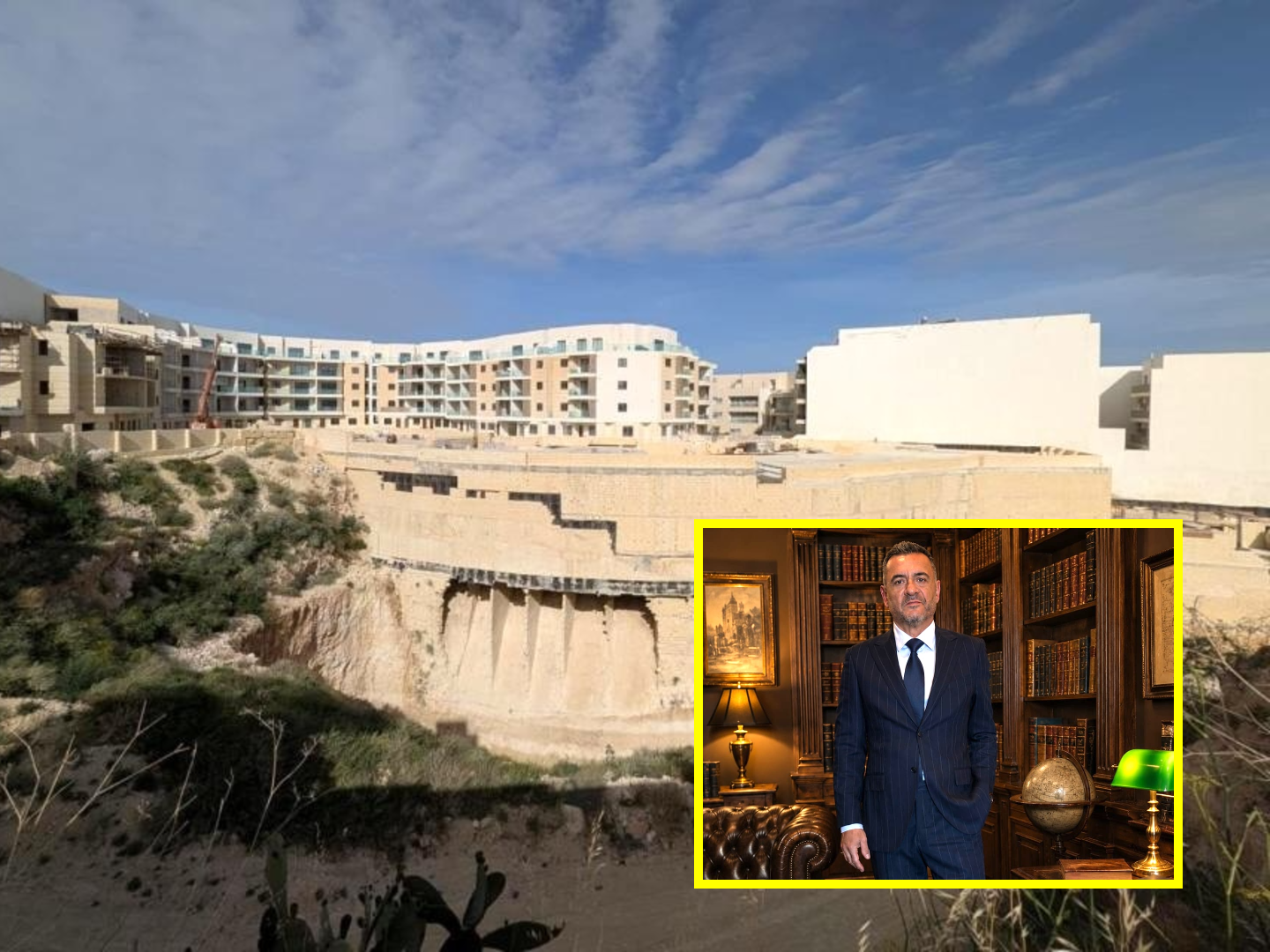








As Malta's property market matures, Zanzi's Steve and Michael Mercieca discuss technology, trust, governance and why the next decade will favour disciplined operators over growth-at-all-costs ambition.