

The authenticity premium
As land becomes scarcer and development costs continue to rise, Malta's most valuable real estate opportunities may already exist within its existing building stock. Architect Steven Risiott explores why authenticity is becoming a powerful economic asset.
For decades, Malta's property market has operated on a relatively simple assumption: value is created by building more: more site area, more units, more floors, more development. The formula has undoubtedly generated wealth and fuelled economic growth. Still, in a country whose entire land mass is comparable to that of an average European city, it is worth asking whether the next chapter of value creation will come from expansion - or from scarcity.
Investors understand scarcity better than most. Scarcity drives the value of land, art, collectable cars and luxury watches. Yet one of Malta's scarcest assets remains surprisingly overlooked: authentic buildings.
The Maltese Islands occupy just 316 square kilometres. Unlike other economies, we cannot simply expand outwards. Land is finite, and every planning decision made today has implications that extend far beyond the next market cycle. At the same time, according to the National Statistics Office's 2021 Census of Population and Housing, 27.5% of Malta's dwelling stock was classified as vacant, secondary or seasonal accommodation. While this figure does not represent only permanently vacant properties, it nevertheless raises an important question. In a country with a substantial stock of underutilised buildings, does long-term value creation necessarily require continued demolition and redevelopment?
Historically, the economics of Maltese property have favoured redevelopment. Older buildings were often viewed as constraints rather than opportunities. The financial logic was straightforward: acquire a site, maximise its development potential, increase floor area and unlock value through intensification. For many years, this model worked.
Today, however, market dynamics may be shifting. One of the most valuable commodities in modern real estate is not land, density or even location. It is authenticity.

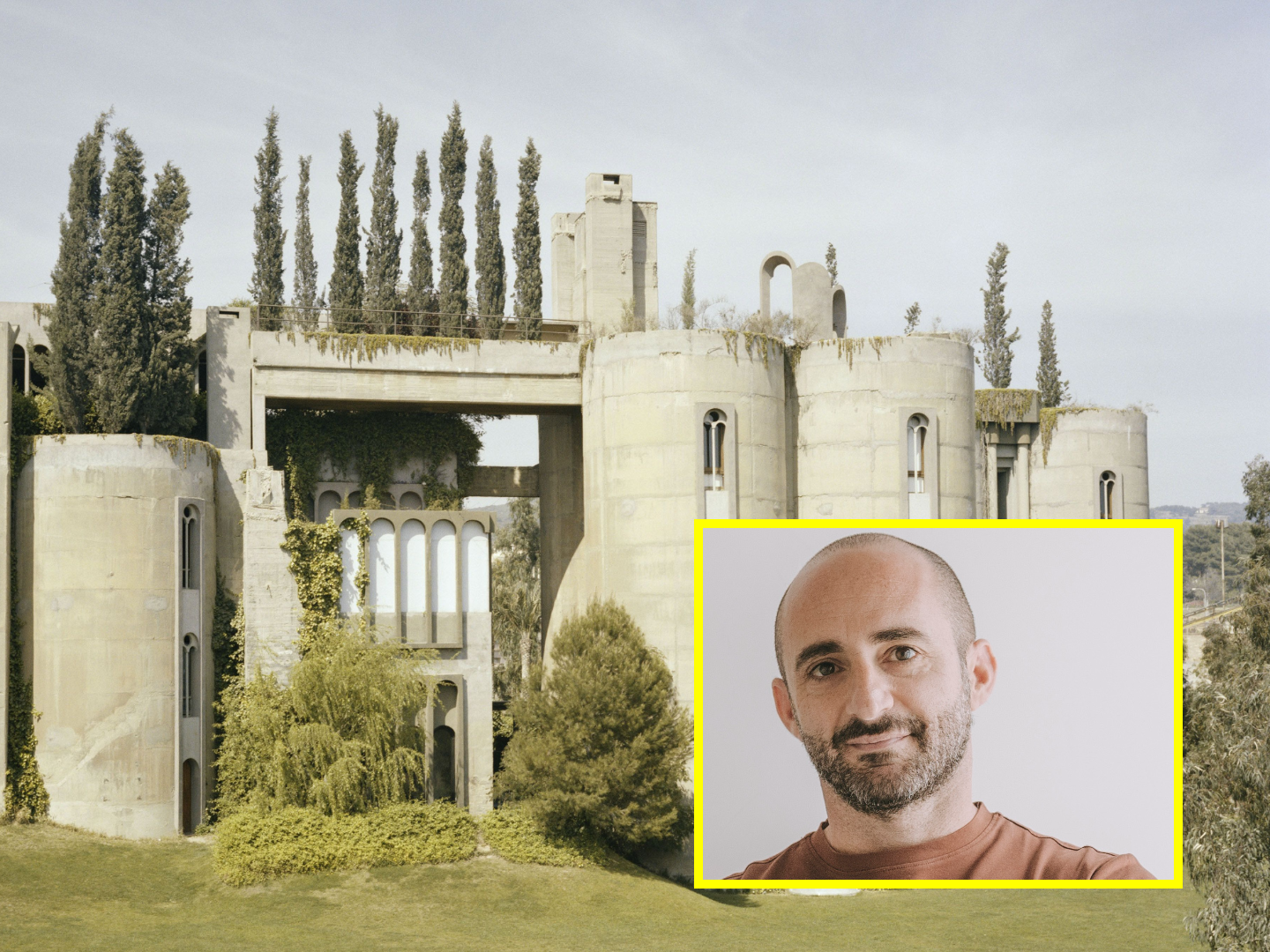
La Fábrica as an old cement factory before restoration
Property valuations tend to reward measurable metrics: site area, floor area, rental yield and development potential. Yet some of the most valuable assets in the world derive their worth from qualities that are considerably harder to quantify. People do not pay premium prices solely for square metres. They pay for character, craftsmanship, identity and experience. They pay for places that feel unique.
In other words, they pay premiums for assets that cannot easily be replicated.
This is where Malta's existing building stock deserves renewed attention. Every traditional townhouse, historic palazzo, vernacular farmhouse or remarkable modernist building possesses one characteristic that no new development can offer: genuine authenticity. These buildings tell stories through their materials, proportions, craftsmanship and relationship with place. Once lost, they cannot be recreated, regardless of budget.

La Fábrica by Ricardo Bofill - a beautiful transformation of a former cement factory into a studio and residence
As authentic buildings become increasingly scarce, their value inevitably increases.
This is particularly relevant within the context of adaptive reuse. Often misunderstood as a purely conservation-led exercise, adaptive reuse is fundamentally an economic strategy. It seeks to preserve the value already embedded within an existing structure while allowing the building to evolve and accommodate contemporary needs. The objective is not to freeze buildings in time, but to ensure that they remain useful, relevant and economically viable.
The most successful adaptive reuse projects recognise that intervention should be proportionate. Existing fabric should be respected, authenticity retained, and contemporary additions carefully integrated. The objective is not imitation but dialogue; a meaningful conversation between the old and the new that enriches both.
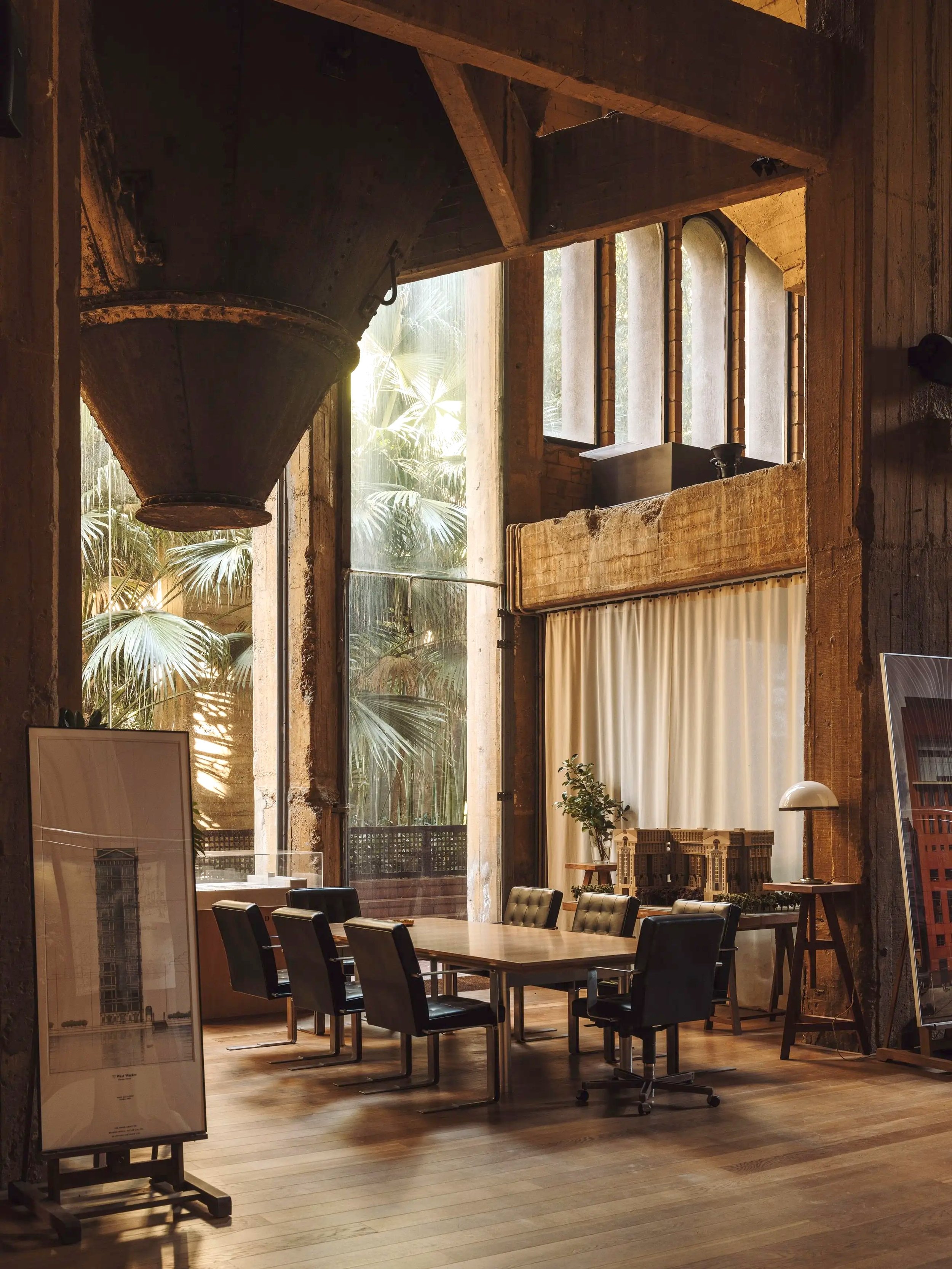
Inside La Fábrica by Ricardo Bofill
An important but often overlooked principle in this process is reversibility. Buildings that can adapt to future uses without requiring extensive conversions are inherently more resilient investments. Markets evolve, technologies change, and user expectations shift. Properties capable of accommodating these changes while retaining their essential character are likely to remain desirable long after more rigid developments have become obsolete.
This discussion should not be interpreted as a rejection of contemporary architecture. On the contrary, the most sustainable building is not necessarily an old one.
The most sustainable building is often the one that remains useful for the longest.
A contemporary building that responds intelligently to climate, accommodates changing patterns of occupation, minimises operational costs and delivers enduring architectural quality may prove every bit as resilient as a restored heritage property. Such buildings become tomorrow's heritage assets. They are maintained rather than replaced because they continue to perform, inspire, and justify their existence.
The distinction, therefore, is not between old and new. It is between buildings designed for longevity and buildings designed for obsolescence.

AD1768 Boutique Hotel by Vemworks demonstrates how adaptive reuse can create enduring value
The heritage buildings we admire today were not designed as heritage assets. They survived because they were well-built, adaptable, and valued by successive generations. The best contemporary architecture should aspire to the same fate.
Hospitality offers perhaps the clearest example of this principle in action. Some of the world's most memorable hotels are not defined by their room count, star rating or amenities. Their value lies in their uniqueness. Guests increasingly seek experiences that cannot be replicated elsewhere. They are drawn to buildings with stories, places with character and environments that feel rooted in their context.
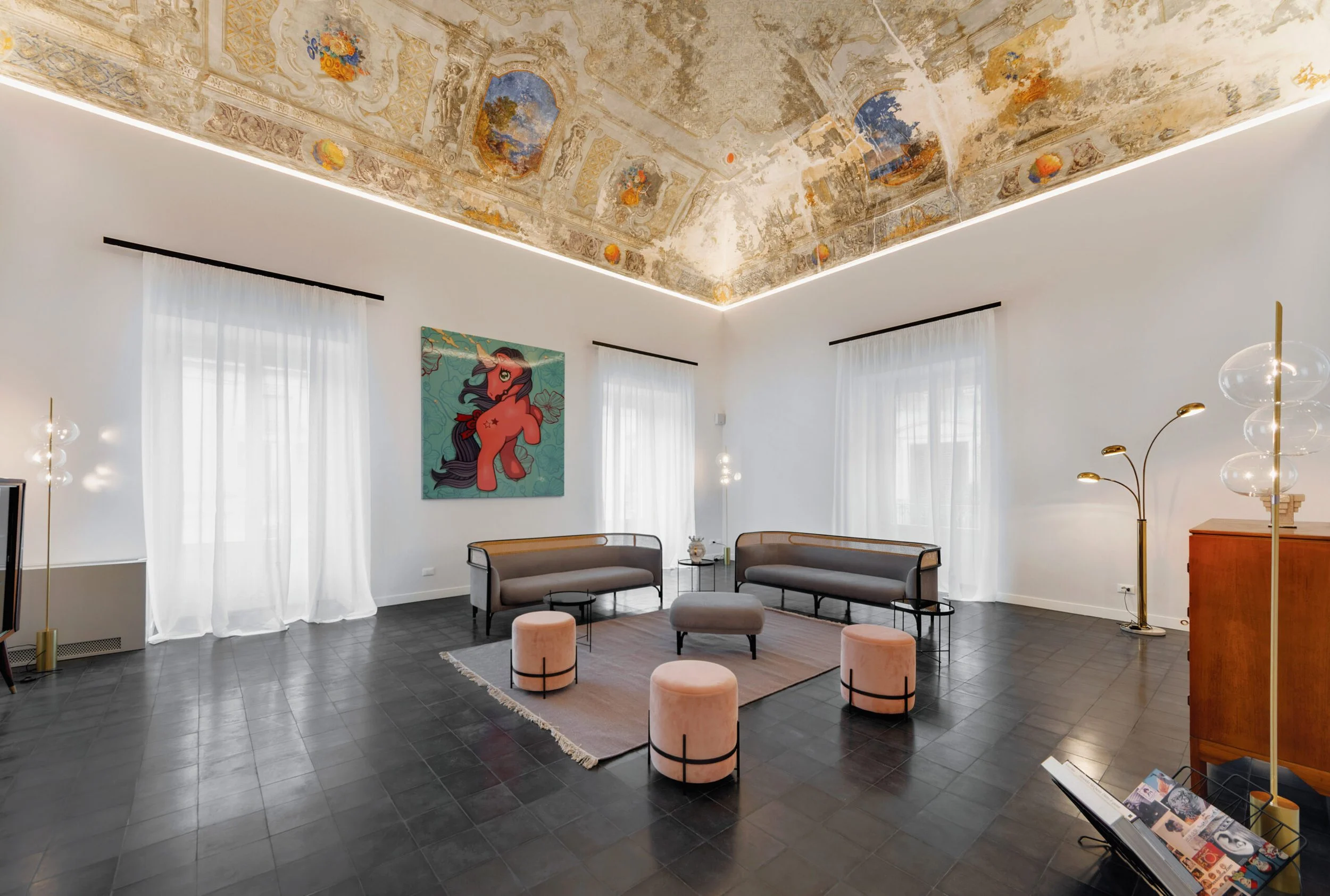
Living-foto-luxury-hotel-Gianfranco-Guccione-scaled
Malta has witnessed encouraging examples of this approach in recent years, although true boutique hospitality remains relatively rare. A boutique should not simply be defined by scale or luxury. It should describe authenticity. A carefully restored building that balances heritage with contemporary intervention offers something increasingly sought after in global tourism markets: a genuinely unique experience.
The same principle applies to residential and commercial real estate. A thoughtfully restored property possesses attributes that are becoming increasingly difficult to acquire. If it is unique by definition, no competing development can produce an identical asset. In investment terms, scarcity creates defensibility.
There is also a broader economic reality that deserves greater attention.
The economics of redevelopment have historically relied on a relatively simple premise: it is often cheaper and easier to start again. Yet this assumption may not hold indefinitely. Landfill capacity is finite. Resource extraction is increasingly costly in terms of environmental and regulatory impacts. Carbon reporting requirements are becoming more common. Energy prices remain volatile. Skilled labour is increasingly scarce. Excavation, transportation, and waste-disposal costs are unlikely to become cheaper over time.
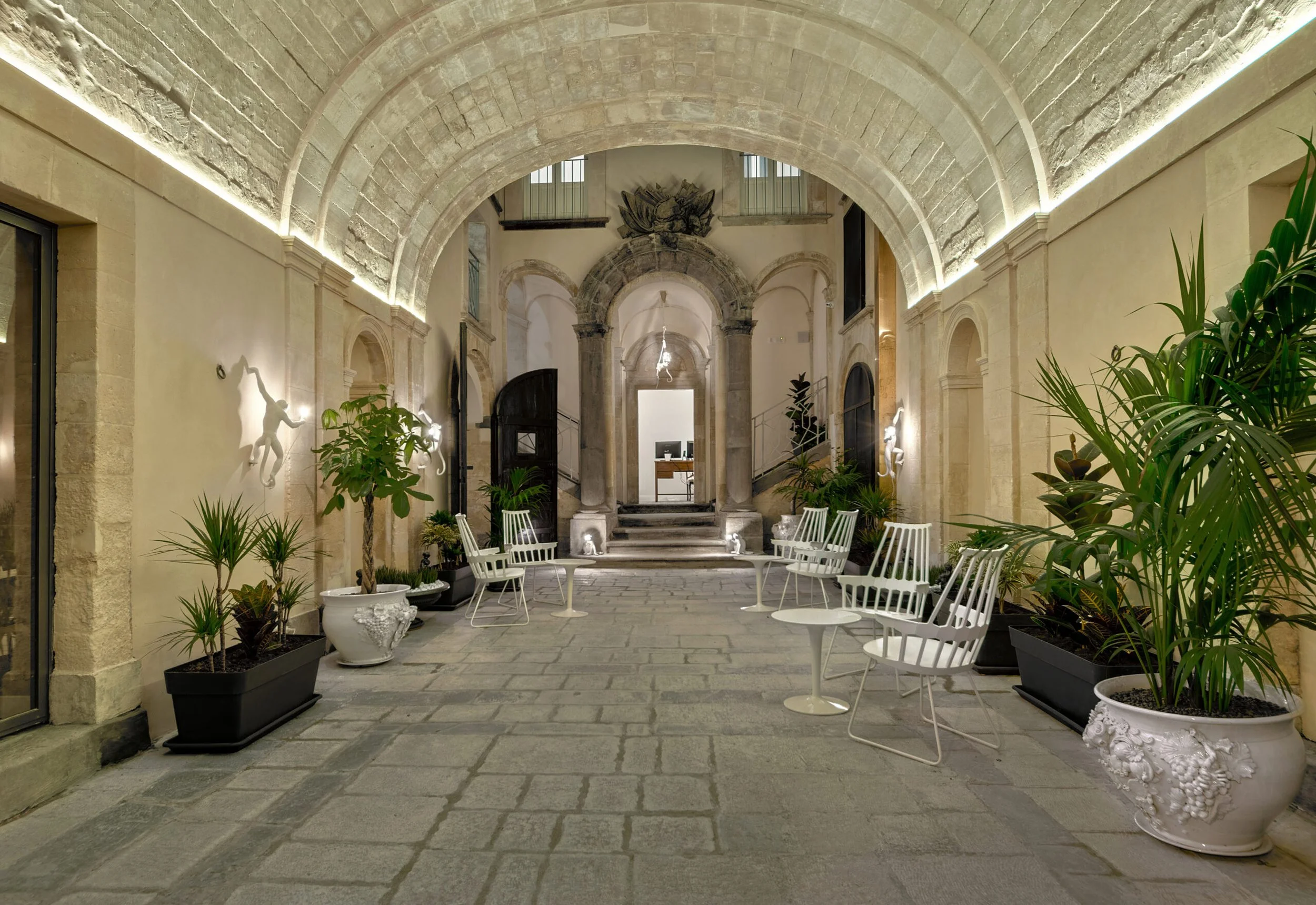
The entrance hall at AD1768 Boutique Hotel by Vemworks illustrates how thoughtful adaptive reuse can elevate heritage assets
Collectively, these factors point towards a future in which demolition and reconstruction become progressively more expensive, while rehabilitation becomes progressively more attractive.
Viewed through this lens, existing buildings begin to look less like liabilities and more like repositories of stored value. They already contain structure, materials and craftsmanship. Much of the capital investment has already been made. The question is no longer whether these assets can compete with new development, but whether future market conditions will increasingly favour their rehabilitation.
This is where government intervention remains important. Incentive schemes such as Irrestawra Darek acknowledge the financial realities associated with restoration projects and provide an important starting point. However, if adaptive reuse is to become a meaningful component of Malta's long-term development strategy, broader measures may be required to encourage investment in rehabilitation rather than replacement.
The conversation ultimately extends beyond conservation. It concerns competitiveness.
For decades, Malta has competed through growth and expansion. Yet increasingly, the world's most successful destinations, brands and properties compete through quality, authenticity and distinctiveness. Nobody travels halfway across the world to experience something that could exist anywhere. They travel to places that possess a strong sense of identity.
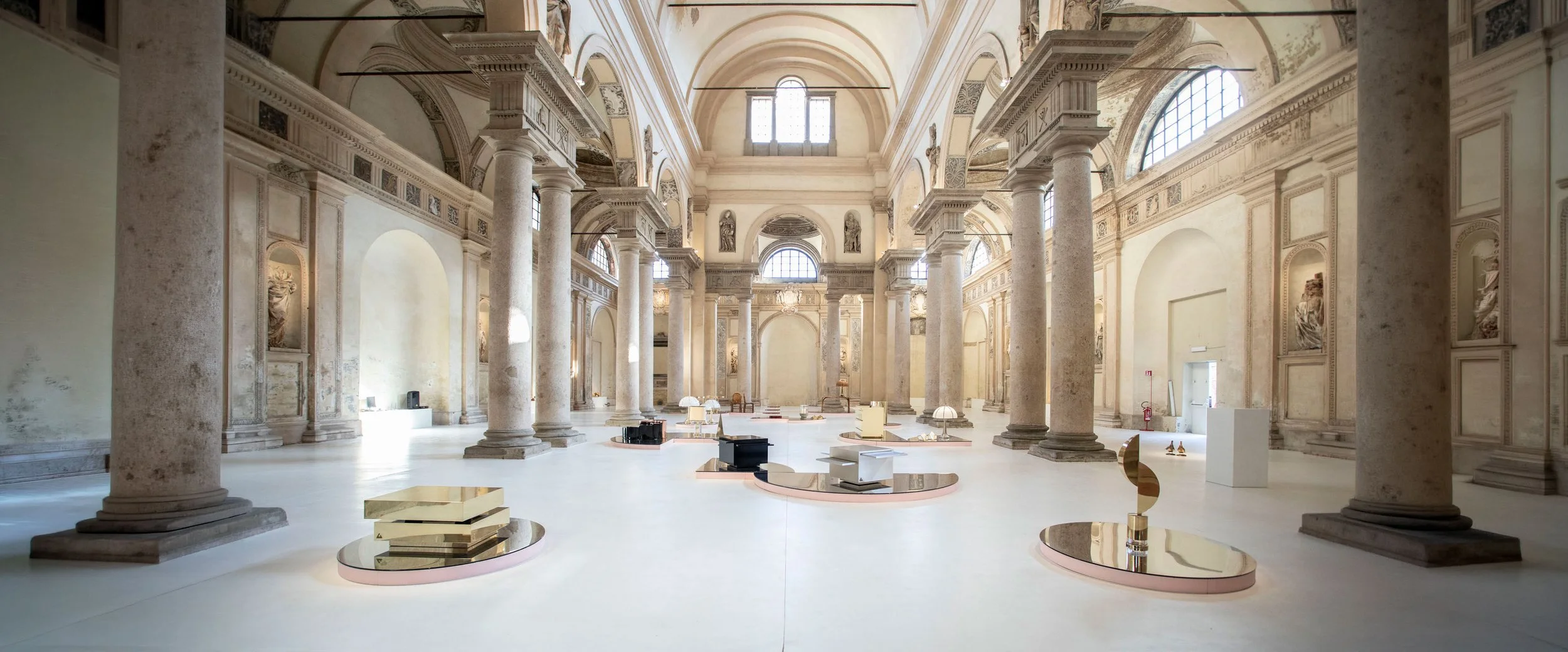
Volumnia in Piacenza, a deconsecrated church converted into an art gallery and vintage furniture shop
The same principle applies to real estate. Every traditional building that is thoughtfully restored strengthens Malta's uniqueness—every generic development in any city risks diluting it. Heritage, when approached intelligently, is not an obstacle to economic growth. It is an economic asset. It is part of Malta's competitive advantage.
Malta's greatest real estate opportunity may not lie within the next development zone, planning policy revision or land rationalisation exercise.
It may already exist within the buildings we routinely overlook.
For decades, value has been extracted through demolition, subdivision and intensification. The next generation of value creation may depend on a different skill set entirely: the ability to recognise authenticity, unlock hidden potential, and create assets that remain relevant for the next hundred years rather than the next sales cycle.
In a market increasingly saturated with similar products, uniqueness becomes a premium commodity.
The investors who understand this first may ultimately discover that restoration is not merely a cultural responsibility.
It is a business strategy.






As Malta's property market matures, Zanzi's Steve and Michael Mercieca discuss technology, trust, governance and why the next decade will favour disciplined operators over growth-at-all-costs ambition.