

Building beyond concrete

Advanced materials are enabling architects to create lighter, stronger and more visually striking buildings than ever before
As Malta's real estate market shifts from volume to value, Stephen Mallia explores how high-performance construction materials are becoming a strategic advantage for developers, investors and architects alike.
For decades, the metric of success in the Maltese real estate sector was brutally simple: volume. The market was driven by a relentless pursuit of square metreage, with developers seeking to maximise the footprint of every available plot, from the bustling coastlines of Sliema and St Julian's to the expanding urban perimeters of Mosta and Naxxar. In this era, traditional construction methods, relying heavily on standard reinforced concrete and limestone blockwork, were perfectly adequate. They adopted traditional construction methodologies, rapidly transitioning from standard practice to a distinct business liability.
Standard concrete is inherently bulky. It demands thick columns that interrupt open-plan layouts, deep beams that lower ceiling heights, and heavy facades that restrict natural light. More critically, in a market where luxury and sustainability are the primary currencies, traditional materials impose severe limitations on both the architect's creative vision and the developer's long-term financial yield.
This is the precise juncture where material science intersects with advanced business strategy. Here is where we welcome the Ultra-High Performance Concrete (UHPC). To dismiss UHPC as just another building material fundamentally misunderstands its economic utility. It is not just concrete; it is the carbon fibre hero in the engineering equivalent of construction. It is a highly engineered, strategic asset that serves as the ultimate enabler of the trends defining the future of Maltese real estate: slender luxury, aggressive sustainability, and resilient, long-term investment value.
The transition from volume to experience requires a medium that can execute complex, gravity-defying designs without the penalty of structural bloat. By adopting high-performance materials, forward-thinking developers in Malta are discovering that they can build thinner, stronger, and significantly more beautiful structures. These structures not only command premium market prices but also endure harsh coastal elements for generations. The "Slender Revolution" is not an architectural trend, but rather a rigorous financial recalibration of what makes a building profitable in the 21st century.
In the contemporary business lexicon, "sustainability" is frequently relegated to the realm of corporate buzzwords or treated as a begrudging compliance checkbox. However, for real estate developers operating within the Maltese archipelago's geographical and economic realities, sustainability is rapidly becoming the core pillar of risk mitigation and long-term profitability.

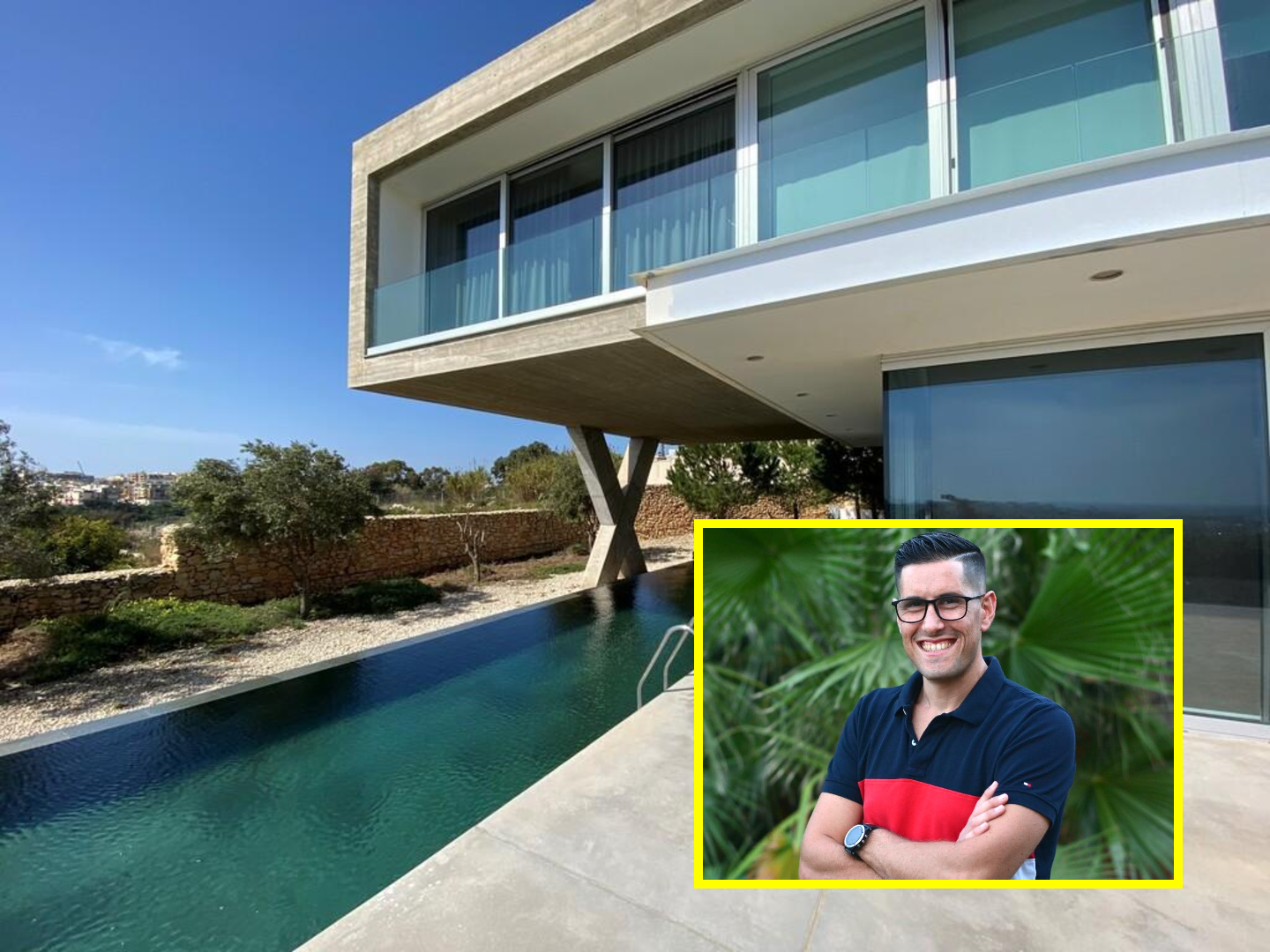
Modern concrete technologies are enabling lighter, stronger and more refined architectural spaces
The foundational principle of UHPC's sustainability profile is "dematerialisation": achieving superior structural performance while drastically reducing the volume of material used. Traditional concrete development in Malta requires an immense logistical supply chain. Aggregates, sand, and cement must be quarried, processed, and often imported, resulting in a massive embodied-carbon footprint before the first foundation is even poured.
UHPC has compressive and tensile strengths that dwarf those of standard concrete. This exceptional capability allows developers to engineer structural elements, such as balconies, floor slabs, load-bearing columns, and intricate facade skins that are significantly thinner. UHPC can effectively halve the sheer tonnage of raw material required for a superstructure.
From a strategic standpoint, using less material directly translates to optimised logistics. Fewer cement trucks navigating the congested arterial roads of Malta means reduced transportation costs, minimised localised disruption in our dense logistical network, and a drastically lowered overall carbon footprint for the project. In an era where Environmental, Social, and Governance (ESG) criteria dictate access to prime institutional capital, dematerialisation is the ultimate sustainability play. It proves to investors that a developer is achieving maximum utility with minimal environmental extraction.
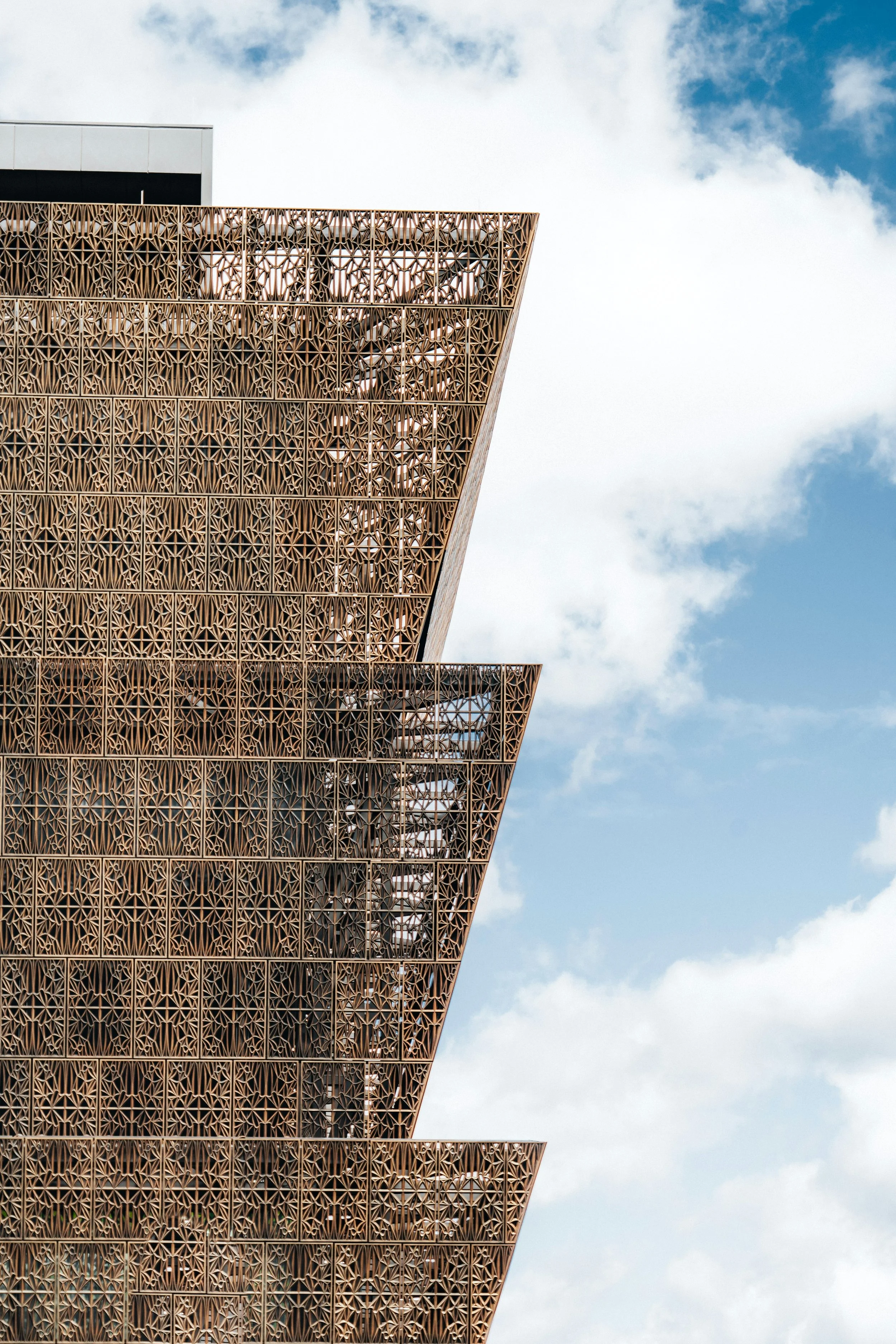
Perforated façades combine environmental performance with architectural expression, reducing heat gain while preserving natural light
Perhaps the most pressing environmental challenge for any structure built in Malta is the Mediterranean Sea itself. The island's saline, coastal environment, combined with high humidity and intense UV radiation, wages a relentless war on standard concrete. The phenomenon commonly referred to as "concrete cancer", where salt and moisture penetrate the porous surface of standard concrete, reaching the steel rebar, causing it to rust, expand, and spall the surrounding material, is a ubiquitous and costly plague on the island.
For property managers and investors, this represents a hidden "coastal tax." Buildings constructed with traditional materials frequently require extensive, expensive, and visually disruptive scaffolding and remediation work within just a few decades, sometimes even years, of completion. This ongoing maintenance severely degrades a commercial asset's net operating income and diminishes the appeal of a residential luxury block.
This is where UHPC shifts from a structural choice to a defensive financial strategy. The UHPC matrix is incredibly dense, resulting in near-zero porosity. It is virtually impermeable to the chlorides, sulfates, and moisture that ravage conventional builds. By utilising UHPC for exposed elements like sea-facing balconies, architectural brise-soleils, and structural facades, developers are effectively immunising their assets against concrete cancer.
The business implication is profound: a building that requires zero structural remediation for a century is infinitely more valuable than one that demands cyclical capital injections for repairs. In Malta, where heritage and legacy are highly valued, the ability to promise a lifespan spanning generations without aesthetic degradation is a powerful proposition that directly enhances the asset's long-term valuation.
To understand why high-performance materials are reshaping ROI, one must first understand how the definition of "luxury" has evolved in the minds of affluent consumers and high-end tenants. Historically, luxury in Mediterranean architecture was synonymous with mass. Thick, fortress-like limestone walls communicated security and status.
However, the modern interpretation of luxury has inverted this paradigm. Today, luxury is defined by "lightness." It is characterised by vast, uninterrupted panoramas of the Mediterranean, fluid spaces that blur the boundaries between the interior living room and the exterior terrace, and architectural forms that appear to defy gravity. Heavy, obtrusive structural columns are no longer viewed as necessary evils; they are seen as visual obstructions that actively detract from a property's premium positioning.
The climatic realities of Malta necessitate extensive shading. Traditional solutions often involve heavy, light-blocking structures. UHPC, however, can be cast into intricate, perforated "skins" or organic, lacework-like facades. These bespoke elements provide crucial thermal shading, reducing the reliance on aggressive air conditioning, another plus to operational sustainability, while maintaining transparency and filtered natural light. The result is a lifestyle experience that feels effortless, elegant, and intimately connected to the surrounding environment.
Whether it is a sweeping, curved facade for a boutique hotel or razor-thin architectural fins for a corporate office, the material acts as a blank canvas for architectural ambition. For the developer, this means the ability to deliver a "signature" building. In a crowded real estate market, a distinct architectural identity is a major driver of brand value and premium pricing. A building that stands out as a masterpiece of modern, slender design naturally commands attention, driving up both demand and willingness to pay.
While architectural beauty and environmental consciousness are powerful market differentiators, the ultimate litmus test for any building material in the commercial realm is its impact on the spreadsheet. Real estate development is a game of margins, risk management, and yield optimisation. When viewed through the unsentimental lens of the investor, UHPC ceases to be an architectural novelty and becomes a potent tool for maximising return on investment.
The modern investor profile is changing. Institutional investors, sovereign wealth funds, and even younger, affluent private buyers are increasingly scrutinising the soul of the buildings they acquire. The rise of ESG investing means assets are evaluated not just on current yield but also on long-term resilience, carbon profile, and life-cycle costs.
A building constructed with standard materials that will require extensive, carbon-intensive repairs in 20 years is increasingly viewed as a stranded asset. Conversely, a property that leverages UHPC's near-indestructibility is viewed as a future-proof investment. It represents predictable, stable operational costs.
A building that utilises high-performance materials to achieve superior energy efficiency, through specialised shading and environmental certification (such as LEED or BREEAM), becomes a magnet for high-end tenants. These tenants sign longer leases and pay higher rents, thereby stabilising the asset's income stream and compressing the developer's capitalisation rate.
Time is arguably the most expensive commodity in real estate development. Extended construction timelines mean prolonged financing costs, delayed revenue streams, and increased exposure to market fluctuations. Because UHPC elements are frequently prefabricated off-site in highly controlled environments, leading on-site assembly processes are remarkably accelerated.
Prefabricated UHPC components arrive on-site ready for immediate installation. This rapid assembly significantly shortens the critical path of the construction schedule. For the investor, shaving months off a development timeline means an earlier transition from the capital deployment phase to the revenue generation phase, thereby drastically improving the project's internal rate of return.
The Maltese real estate sector stands at a critical inflexion point. The strategies that fueled the boom of the past two decades, relying on volume, mass, and traditional methodologies, are yielding diminishing returns in a market that now demands sophistication, sustainability, and experiential luxury. As land becomes scarcer and buyer expectations continue to elevate to global standards, the industry must adapt or face stagnation.
Real estate in Malta is no longer simply about location. Today, value is intrinsically tied to the quality, resilience, and operational intelligence of the built environment itself. It is about how a building interacts with the Mediterranean climate, how it respects the island's resources, and how it makes its inhabitants feel.
For developers, architects, and investors aiming to dominate the Maltese market through 2030 and beyond, the path forward requires a new toolkit. It is time for the industry to recognise that in the modern built environment, high-performance materials are the true foundation of high-performance returns.
Rather than a technical look at construction, the article explores how this material serves as a strategic enabler of 'slender luxury' and stringent sustainability goals that today's investors are actually paying a premium for. It ties directly into your themes of 'experience over square metres', exploring how dematerialisation maximises sellable space.

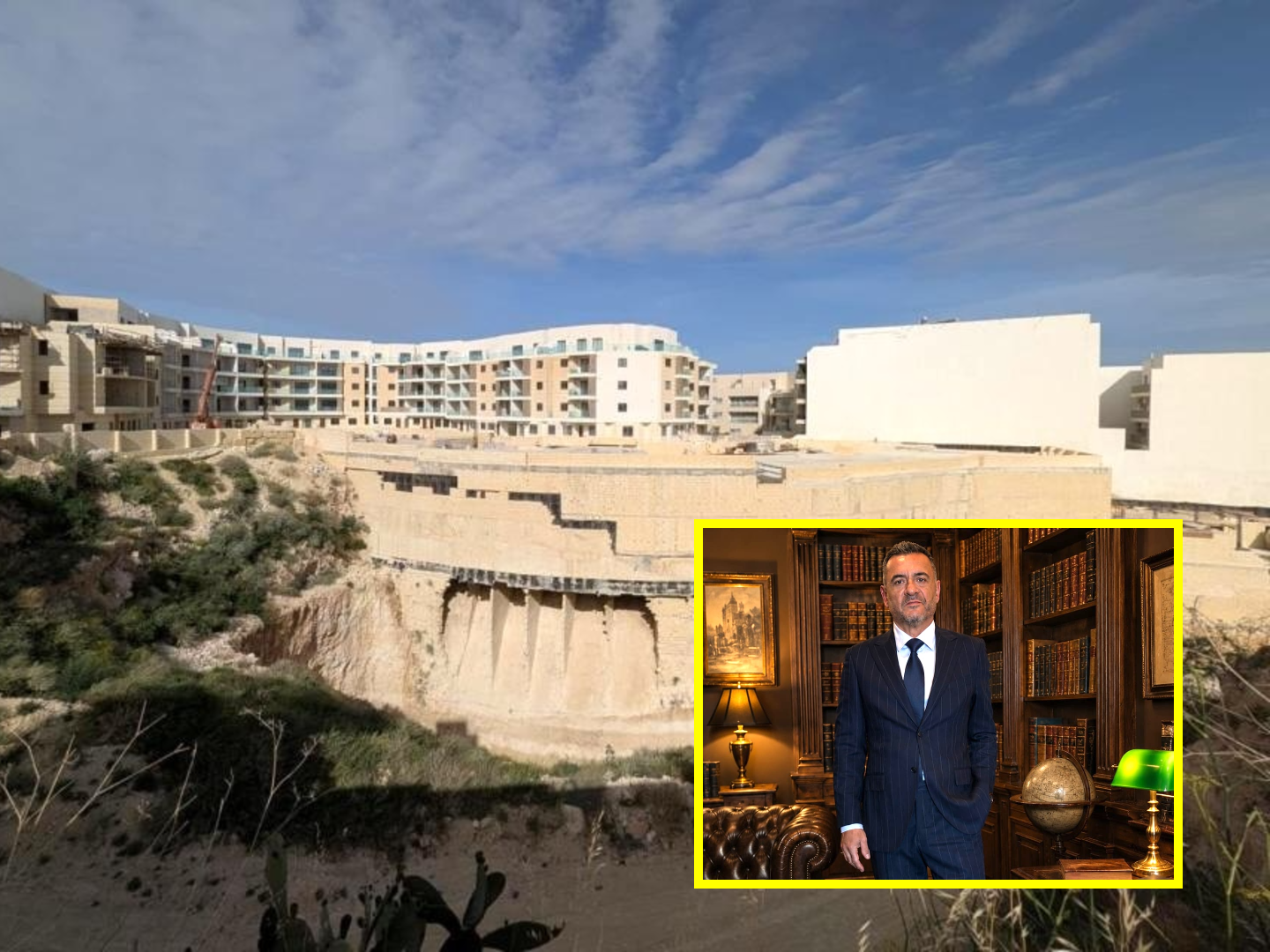



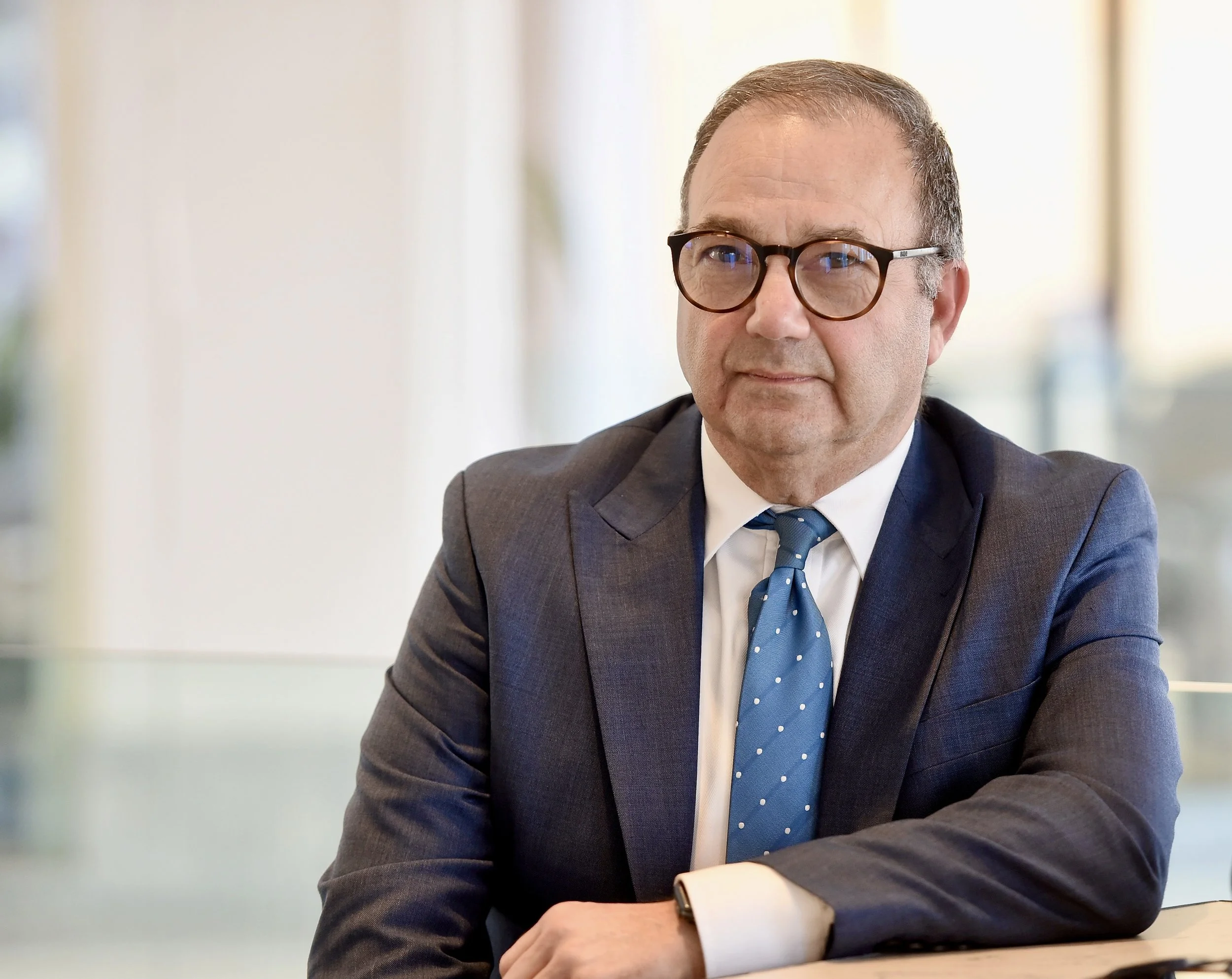

As Malta's property market matures, Zanzi's Steve and Michael Mercieca discuss technology, trust, governance and why the next decade will favour disciplined operators over growth-at-all-costs ambition.