

Why development must rediscover purpose
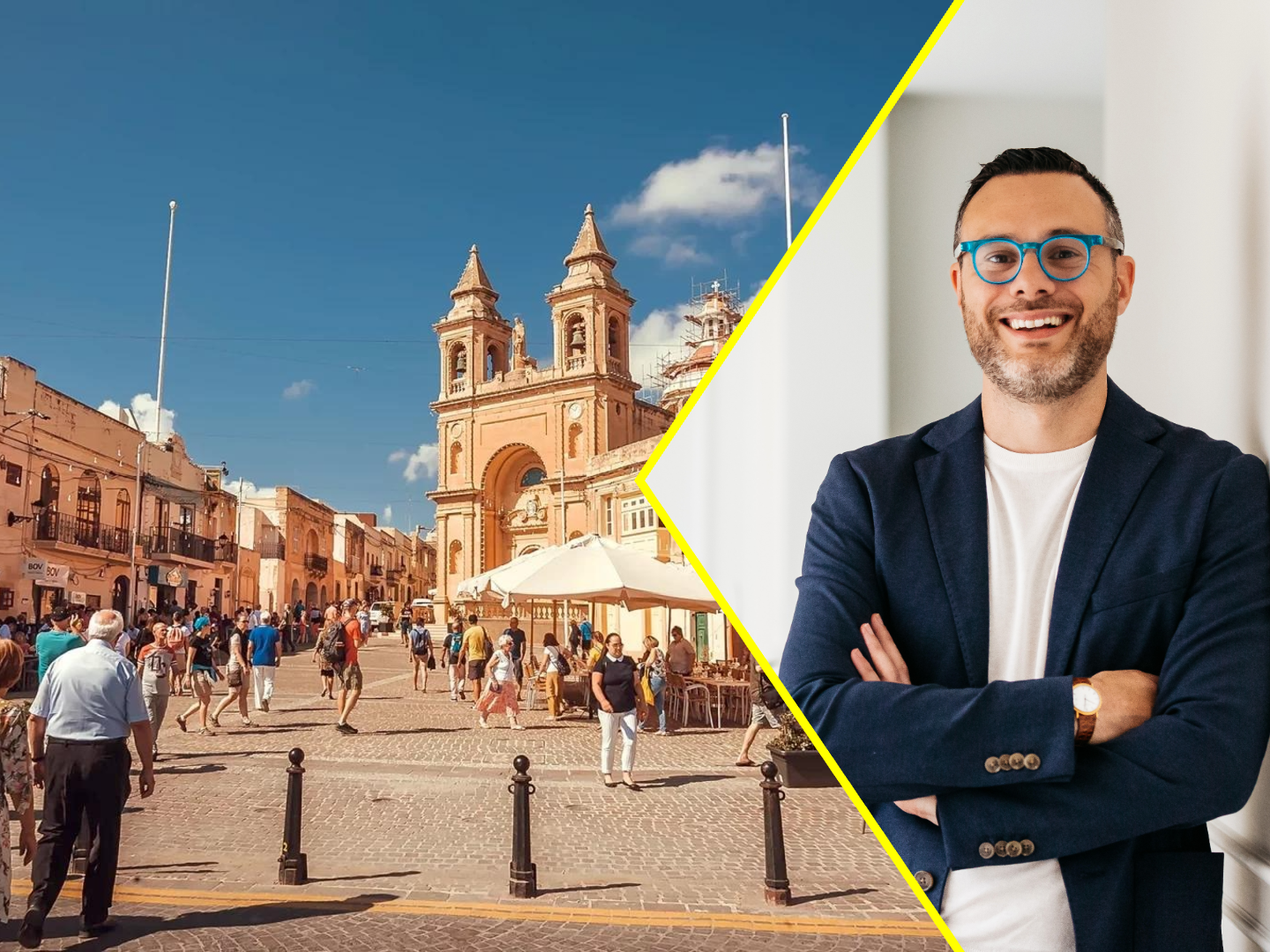
Thriving communities are built around people, not simply property
Malta has become exceptionally good at building property. The challenge now is learning how to build communities. As debates around affordability, liveability and long-term planning intensify, JP Fabri explores why housing should be viewed not simply as an economic asset, but as the foundation of a thriving society.
For decades, Malta's property market has been one of the country's greatest economic success stories. It has generated wealth, supported investment, fuelled economic growth, and provided a pathway to homeownership for thousands of families. In a nation where owning a home remains deeply embedded in our culture, property has long been viewed as both a financial asset and a symbol of security.
Yet as Malta looks towards 2050, a more fundamental question emerges.
What is the purpose of housing? Is it merely an investment vehicle? Is it simply a contributor to GDP? Or should housing be understood as something far more profound: the foundation upon which communities are built, families are raised, wellbeing is nurtured, and future generations can flourish?
The challenge facing Malta today is not merely one of housing supply. It is a challenge of vision.
For years, our housing conversation has been dominated by discussions around prices, permits, transactions, densities, and construction. These are important considerations. But they are ultimately means rather than ends. The true purpose of housing is not to create more buildings. It is to create places where people can live meaningful lives.
Malta has become highly effective at building property. The next chapter requires us to become equally effective at building communities.
Recent research provides an important insight into the aspirations of younger generations. Despite changing lifestyles and global trends towards renting, young Maltese continue to strongly aspire to homeownership. A home remains an important milestone and a symbol of independence and stability. Yet the same research reveals growing concerns around affordability, financial preparedness, and access to the housing market.
Many young people believe that owning a home is becoming increasingly difficult. They continue to aspire to ownership, but confidence is beginning to weaken. They are caught between the dream of homeownership and the reality of rising costs.
This should concern us.
Not because housing is becoming more expensive, but because housing is becoming increasingly intertwined with broader questions about opportunity, belonging, and social mobility. Young people are asking whether they can build a future in the communities where they grew up. They are asking whether Malta remains a place where they can imagine raising a family, establishing roots, and participating fully in society.
These are not simply housing questions. They are nation-building questions.
At the same time, Malta's economy continues to perform strongly. Employment remains high, unemployment remains among the lowest in Europe, and economic growth continues to outperform many of our European counterparts. Yet economic success alone does not automatically translate into stronger communities or greater wellbeing.
Growth must ultimately serve a purpose. This is where Malta can learn from countries that have approached development differently.

The future of housing is ultimately about people, communities and quality of life
Singapore offers one of the most compelling examples. Faced with severe land constraints similar to those in Malta, Singapore chose not to view urban planning as a purely technical exercise. Instead, it framed planning around national aspirations. Housing, transport, economic development, green spaces, community facilities, heritage, and environmental sustainability were brought together under a shared vision of creating a liveable, inclusive, and resilient society.
The question was never simply how many homes to build. The question was what kind of society those homes would help create. That distinction matters.
Housing policy should not begin with buildings. It should begin with people.
What kind of communities do we want our children to grow up in? How do we design neighbourhoods that encourage healthier lifestyles? How do we reduce loneliness among older generations? How do we create opportunities for interaction, belonging, and civic participation?
These questions become increasingly important as Malta continues to urbanise. One of the most encouraging examples already exists locally. Malta's pioneering intergenerational housing initiative in Valletta demonstrates how housing can serve as a platform for community building rather than simply as a means of providing accommodation. By bringing together older residents and younger adults within a shared environment, the project creates opportunities for mutual support, social connection, and active participation.
Residents frequently describe the experience as feeling like a family rather than simply a housing project.
The future of housing is not simply about units. It is about relationships. It is about recognising that people do not merely need roofs over their heads. They need connection, purpose, security, and belonging. This requires us to rethink how we measure success.
For too long, discussions around real estate have focused almost exclusively on economic indicators. Prices, transactions, construction output, and investment returns dominate public debate. Yet these metrics only tell part of the story. The true value of housing extends far beyond its market price.
A well-designed neighbourhood can improve mental health, strengthen social cohesion, encourage physical activity, reduce loneliness, and increase trust within communities. Conversely, poorly designed environments can create hidden social and economic costs that rarely appear in official statistics.
Long commutes reduce quality of life. Lack of public spaces weakens social interaction. Traffic congestion affects productivity. Social fragmentation undermines community resilience. Over time, these costs accumulate.
Housing should therefore be viewed as a form of social infrastructure.

Quality of life increasingly depends on access to green and shared spaces
We already recognise the importance of schools, hospitals, transport systems, and public services. Housing deserves the same level of strategic thinking. A home does not exist in isolation. Its value depends on the quality of the surrounding environment, access to services, community networks, green spaces, cultural opportunities, and economic prospects. The most successful cities increasingly understand this reality.
Around the world, policymakers are moving beyond traditional measures of growth towards broader measures of wellbeing, liveability, and sustainability. Economic development remains important, but it is increasingly seen as a means to improve human outcomes rather than an objective in itself.
Malta should embrace the same mindset.
In an increasingly competitive world, quality of life is becoming one of the most important drivers of economic success. Highly skilled workers choose where to live based not only on income but also on safety, culture, environment, community, and wellbeing. Businesses follow talent. Investment follows talent. Prosperity follows talent.
This means that housing policy is no longer merely a social issue. It is an economic strategy.
The communities we build today will determine Malta's attractiveness tomorrow. If our urban environments become characterised by congestion, declining affordability, limited public spaces, and a weak sense of community identity, we risk undermining our future competitiveness. If, however, we create vibrant, inclusive, and liveable communities, Malta can position itself as one of Europe's most desirable places to live, work, invest, and raise a family.
This requires a shift from project thinking to systems thinking.
Housing, transport, environment, health, education, culture, and economic development are often discussed separately. Yet people's lives do not operate in silos. A family choosing where to live simultaneously considers affordability, schools, commuting times, green spaces, healthcare, employment opportunities, safety, and community life.
Good policy recognises these connections. Malta's size provides a unique advantage in this regard. Unlike larger countries, we can test innovative approaches at a national scale. We can pioneer intergenerational housing models, embrace community-centred planning, regenerate existing urban areas, and integrate digital technologies to improve participation and decision-making.
Our smallness should not be viewed as a constraint. It should be viewed as a laboratory for innovation.
Imagine a Malta where every major development is assessed not only on its economic contribution but also on its social value. Imagine neighbourhoods designed around walkability, community spaces, and green infrastructure. Imagine developments that actively encourage intergenerational interaction. Imagine planning processes that genuinely involve citizens in shaping their communities' futures.
Ultimately, the question facing Malta is not whether we should continue to develop. Growth and development will remain essential. The real question is whether we can elevate our ambitions beyond construction and towards nation-building.
Because housing is never just about property, it is about the society we choose to create. It is about whether young people can imagine a future for themselves in Malta. It is about whether older generations can age with dignity and connection. It is about whether communities remain resilient in the face of rapid change. It is about whether future generations inherit places that are not only wealthier, but also more liveable, more inclusive, and more human.
Future generations will not judge us by the number of apartments we built. They will judge us by the quality of the communities we created.
Malta has already proven that it can build. The challenge now is to build wisely. The real opportunity is not simply to create more property. It is to create places where people can flourish. That is the true purpose of housing.
And it is a purpose worth rediscovering.

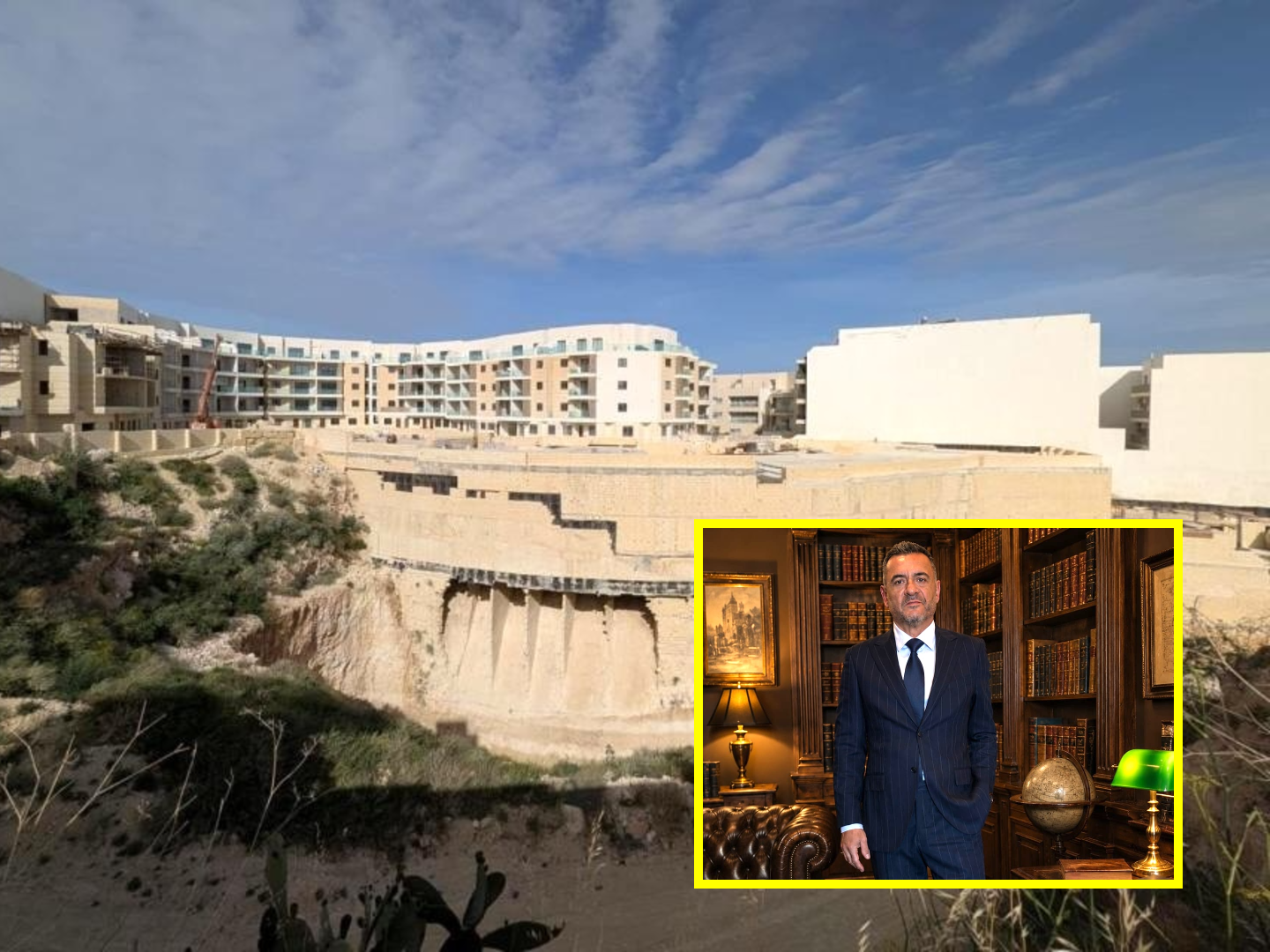





As Malta's property market matures, Zanzi's Steve and Michael Mercieca discuss technology, trust, governance and why the next decade will favour disciplined operators over growth-at-all-costs ambition.