

From Earth to Mars: decoding human biology for deep space
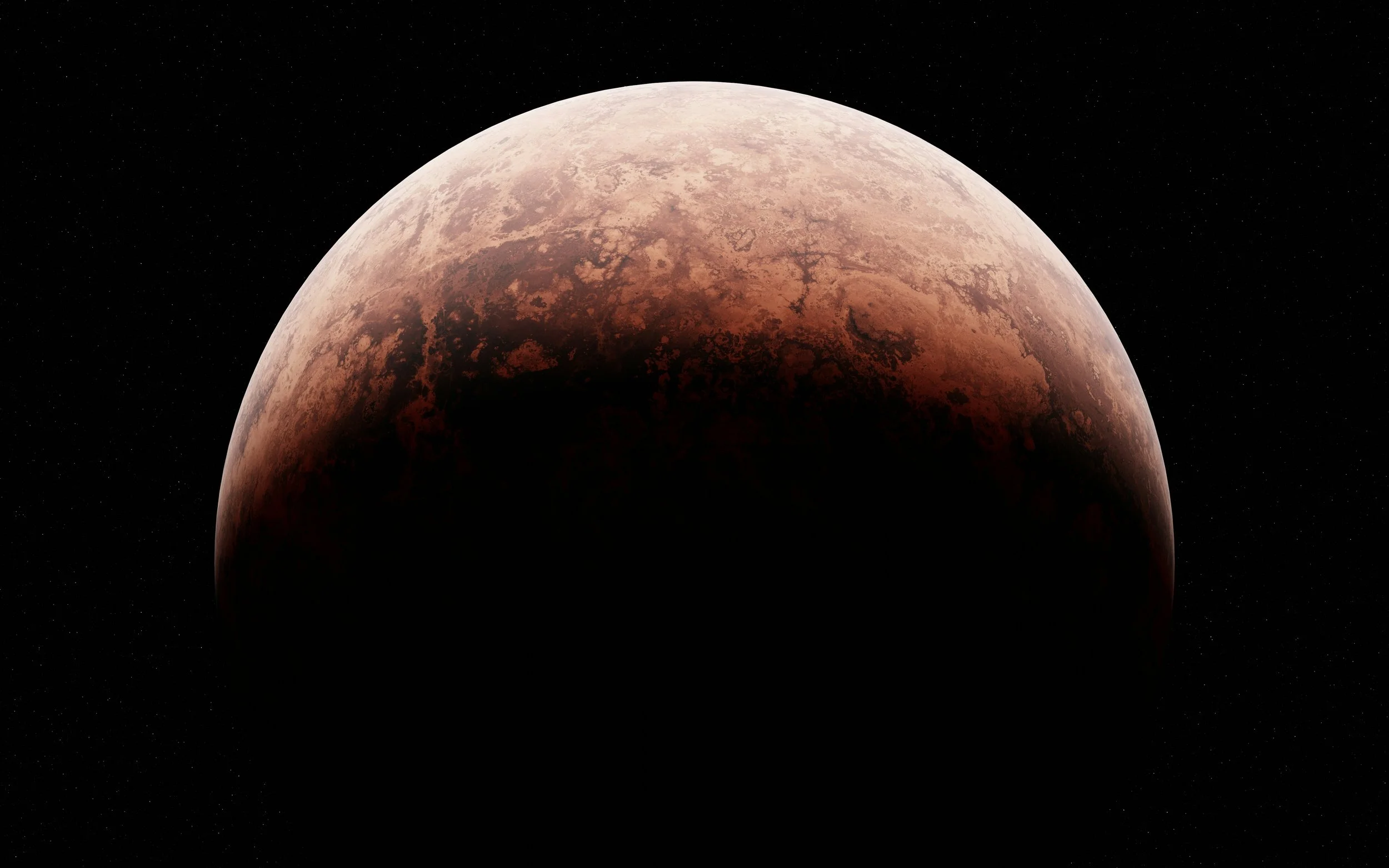
Rockets can take us to Mars. Keeping humans alive when we get there is the harder problem. Prof Joseph ‘Sci’ Borg charts Malta’s remarkable journey from orbital biology to the frontier of autonomous medicine in deep space.
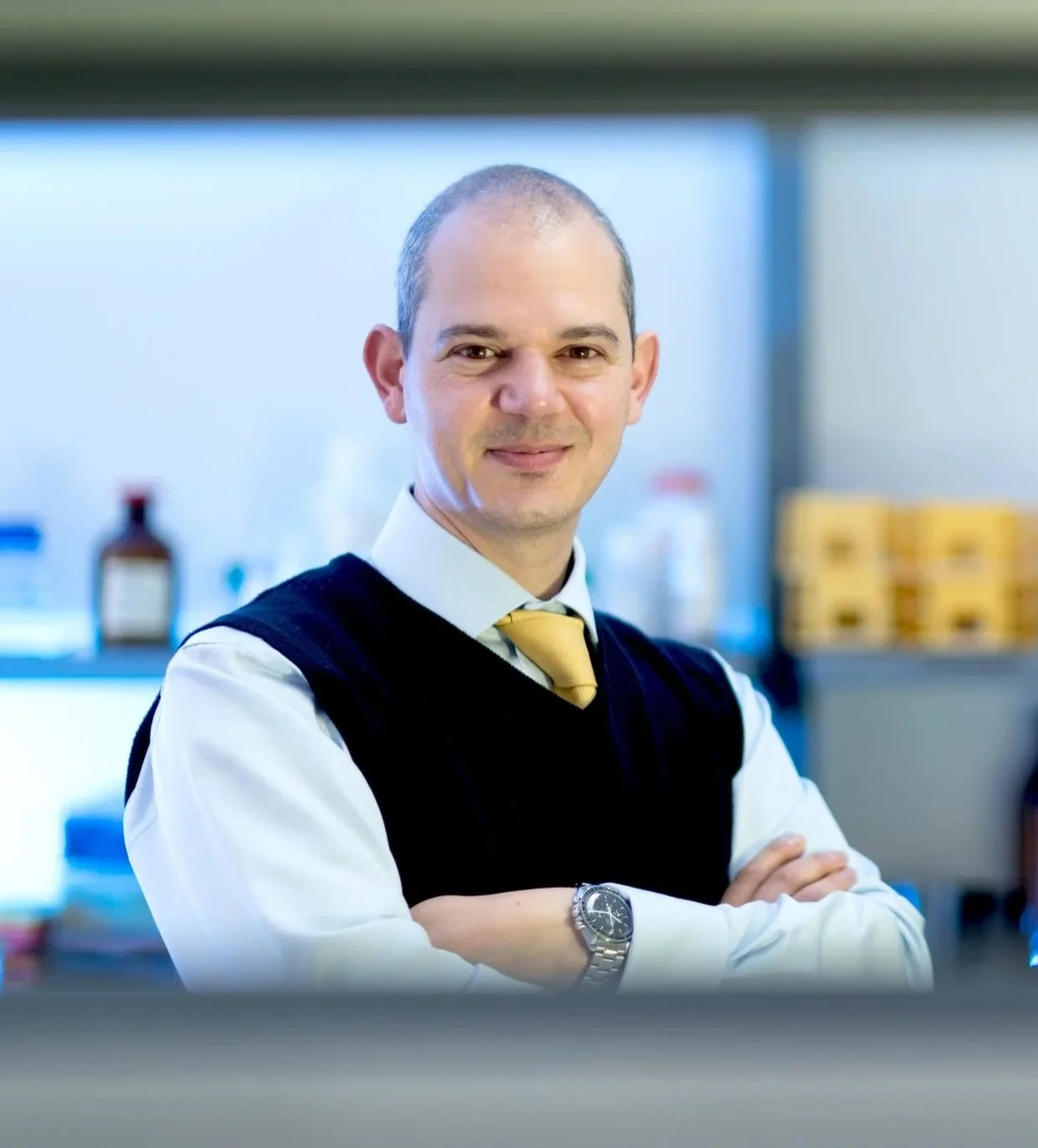
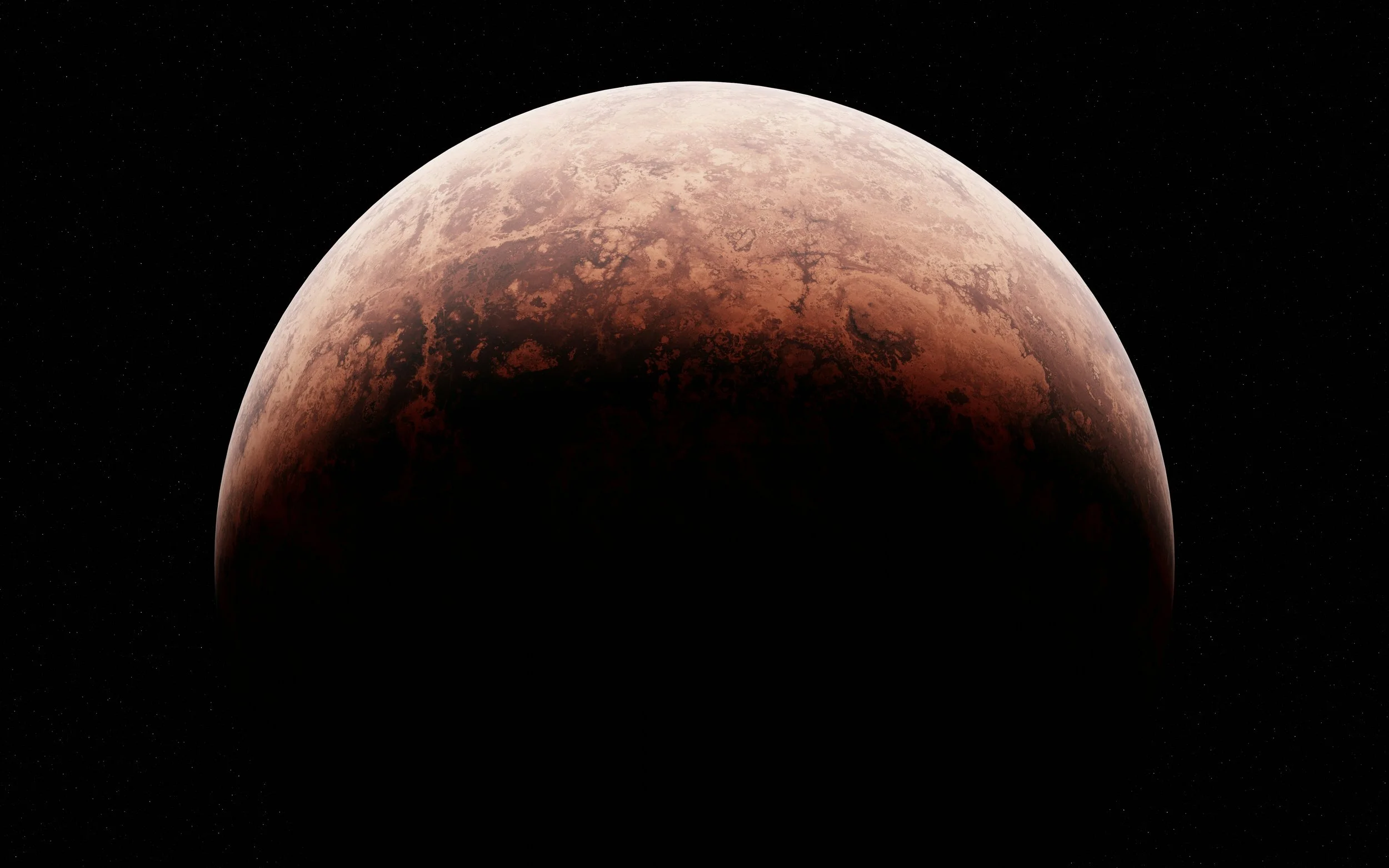
For most of human history, Mars was a point of light. Today it is becoming an engineering destination. Rockets are being built, lunar infrastructure is taking shape, and missions are testing what happens when humans leave Earth's protective environment. Yet one of the hardest problems of deep-space exploration is not propulsion.
It is us.
Evolution shaped the human body for one gravity, one atmosphere, and one magnetic shield. Remove those constants and biology begins to change. Blood cells lyse and get destroyed faster in space. The immune system shifts. Microbes alter their behaviour. Muscles and bones adapt. Radiation leaves molecular fingerprints. Sleep, stress, nutrition and isolation all become part of the experiment.
That is why the route to Mars is not simply Earth-Moon-Mars. It is a biological roadmap. Understand what changes, learn what matters, then build the tools to monitor, predict and mitigate those changes before crews are too far away to come home. For our teams in Malta, this has become the central question. Can we use space not only as a destination, but as the most demanding laboratory we have ever built?
A small island, a long trajectory
Malta’s space-bioscience story began in low-Earth orbit. Between 2021 and 2023, the Project MALETH programme sent Maltese biomedical research to the International Space Station, including studies involving diabetic foot ulcer tissue and microbiomes. The idea was simple but powerful. Expose clinically relevant biology to the stress of spaceflight, compare it with matched Earth controls, and ask what the difference can teach us. Ms Christine Gatt is currently concluding her doctoral studies based on these missions, and the results have been nothing short of astounding.
Space is an amplifier. Microgravity, radiation and operational stress push cells and microorganisms away from their normal equilibrium. That can reveal weaknesses and adaptations that remain subtle on Earth. For chronic wounds and antimicrobial resistance, this is more than curiosity. It may expose behaviours that matter to both astronauts living inside closed habitats and patients in hospitals.
That first phase also established a pipeline. Samples could be prepared in Malta, flown internationally, returned, sequenced and interpreted through global collaborations. The question then moved from microbes to one of the most fundamental systems in the human body…blood.
ORBIT: Blood as a flight recorder
In 2025, SpaceX’s Fram2 became the first human spaceflight mission to explore Earth from a polar orbit. During nearly four days in space, its crew conducted 22 research studies designed to advance our understanding of human health and performance beyond Earth.
In our collaborative research, blood-derived material associated with Fram2 is helping us investigate how short-duration spaceflight may perturb red-cell biology, haemoglobin regulation, and the molecular programmes controlling how blood adapts under stress. Why blood? Because blood is a remarkably sensitive record of what the body is experiencing. It carries immune cells, hormones, and metabolic signals, along with the red cells that transport oxygen to every tissue.

Astronaut blood workflow. Longitudinal sampling, whole-blood single-cell RNA sequencing, HPLC haemoglobin profiling and integrated biological interpretation
Spaceflight has long been associated with so-called space anaemia, but modern research suggests it is not a single switch. Red-cell destruction, marrow response, iron handling, inflammation and gene regulation may all contribute.
Our approach combines classical haematology with modern omics. High-performance liquid chromatography can separate different haemoglobin fractions at the protein level, while single-cell RNA sequencing can reveal which genes are active within individual blood-cell populations. Together, these technologies let us ask not simply what changed, but which cells changed, when they changed, and which biological pathways may be driving the response.
Early Fram2 analyses are intriguing, but they must be treated carefully. They point towards transient remodelling of erythroid and globin-regulatory pathways, while protein-level and RNA-level signals do not necessarily move on the same timescale. That is scientifically valuable in itself. Biology is not a dashboard where every indicator changes simultaneously. A gene may respond within hours, while red cells carrying the eventual protein consequences of that response may circulate for weeks or months.
And this is precisely where space science becomes Earth science. Among the pathways being investigated are regulators linked to foetal haemoglobin, the oxygen-carrying haemoglobin we produce before birth and then largely switch off. The same biological network is central to some of today’s most advanced treatments for diseases such as beta-thalassaemia and sickle-cell disease. Spaceflight is not a treatment. It is something potentially just as scientifically useful; an extreme physiological perturbation that may reveal how adult human blood responds when familiar environmental rules are disrupted.
MOON: Our next biology platform
Low-Earth orbit is only the beginning. The next step is the Moon. Spaceomix Ltd., together with Space Applications Services and international collaborators, is developing the Lunar BioVault concept for the LUVMI-M lunar rover. The project envisages carrying a curated solid-state archive containing genomic and scientific data, educational material and contributions from Malta and international partners to the lunar surface.
LUVMI-M is being developed to explore the lunar south-polar region, one of the most strategically important areas in current lunar exploration because of its permanently shadowed terrain and the possibility of water ice. Public plans currently envisage a surface mission lasting approximately 10-14 days, with a target towards the latter part of this decade.
But the attraction for us is not simply putting something Maltese on the Moon. It is learning how to conduct meaningful science where power is limited, bandwidth is precious, temperatures are extreme and every decision matters.
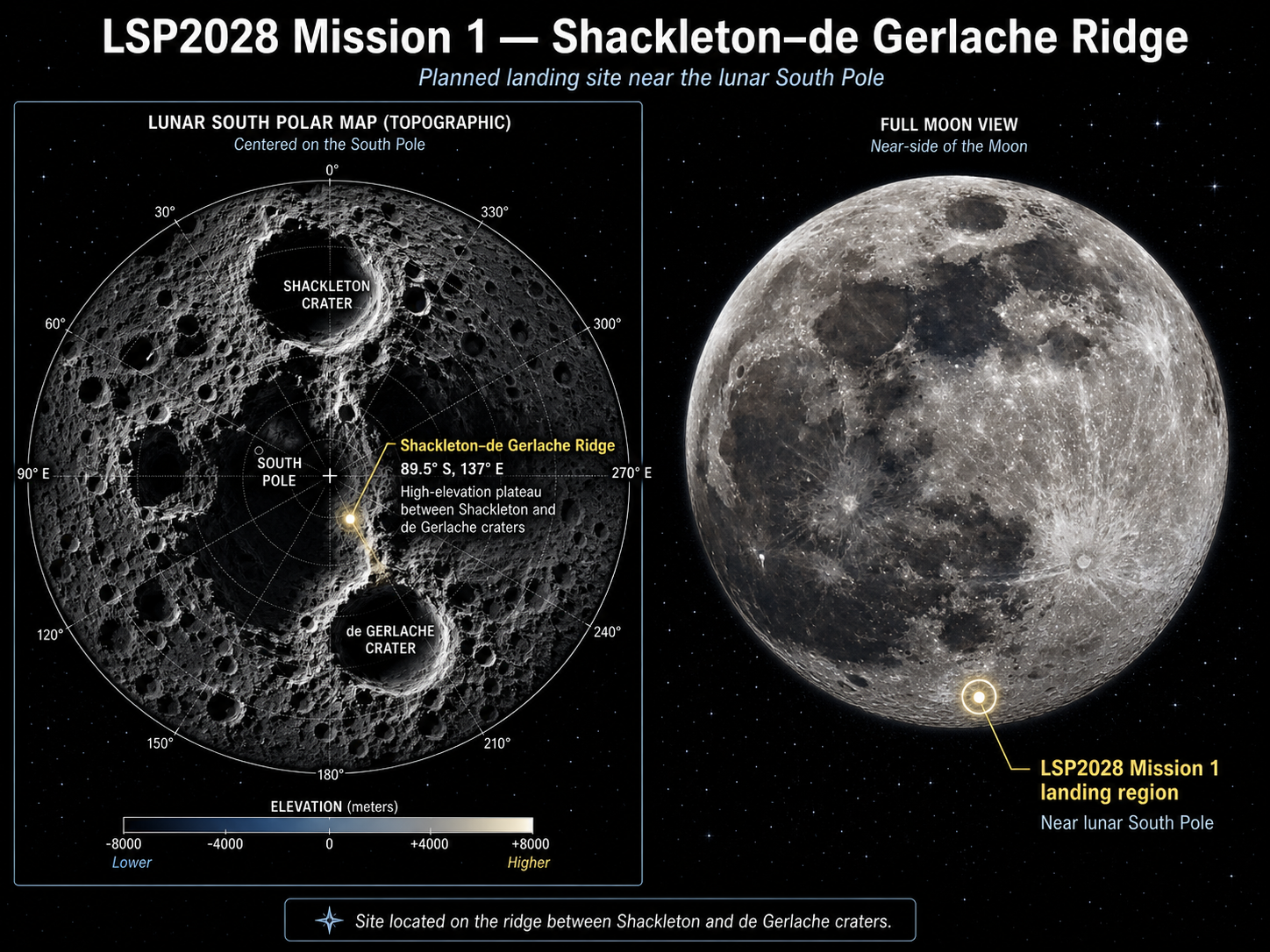
The Lunar BioVault is therefore both an archive and a prototype for something bigger. The same lunar infrastructure opens discussions around future life-science payloads. Compact molecular biology, radiation-aware experiments, portable sequencing, autonomous bioinformatics and eventually systems capable of examining biological changes directly on another world.
The important shift is from “send samples to space and bring them home” to “analyse, interpret and act while the mission is still out there.” That is a very different kind of medicine.
DEEP SPACE: Mars will not have a nearby hospital
In low-Earth orbit, crews still have near-real-time communication with mission control and the possibility of comparatively rapid evacuation. Mars changes the equation completely. Depending on the positions of Earth and Mars, communications take many minutes in each direction. There is no normal real-time medical conversation. There is no ambulance. Samples cannot be couriered overnight to a specialist laboratory.
A crew may need to diagnose an infection, investigate inflammation, assess a blood abnormality or monitor radiation-related changes using only the equipment, knowledge and computational capability travelling with them. Deep-space medicine therefore has to become increasingly autonomous.
MARS: Precision medicine, translated into exploration
This is why portable sequencing, compact diagnostics, artificial intelligence and bioinformatics matter. A future crew should be able to collect a tiny blood, saliva or microbial sample, generate molecular information locally and compare it against that astronaut’s own biological baseline.
Instead of asking only, “Is this value normal?”, a future medical system could ask: “Is this changing unusually for this person, at this stage of this mission, under this radiation and gravity exposure?” That is precision medicine translated into exploration.
Portable DNA sequencing has already demonstrated why this matters. Compact sequencing systems can move molecular analysis away from conventional laboratories and towards remote, resource-limited environments - exactly the capability that becomes essential as crews travel farther from Earth. The Moon is therefore the ideal proving ground. It is close enough to test systems, learn, and improve them, yet hostile enough to demand serious engineering. Mars becomes the next logical step - not a leap into science fiction, but the extension of technologies already matured through Earth laboratories, analogue environments, low-Earth orbit and lunar operations.
NATO SPS: The science between Earth and space - Resilience
This work is now expanding beyond conventional space medicine. We were recently awarded a project through the NATO Science for Peace and Security Programme, bringing together scientists from Malta, the United States, and other partners around advanced space technologies, resilience, adaptation, and next-generation bioinformatics.
The project, Astranova - Advanced Space Technologies for Resilience and Adaptation: Novel Omics for Validation and Advancement - reflects a broader principle. Human beings, biological systems and critical technologies must all remain functional when environments become uncertain, communications are constrained, and familiar support systems are unavailable.
Space is an exceptionally demanding test case for resilience. But the lessons can travel back to Earth. Remote medicine, emergency response, distributed laboratories, maritime operations, disaster environments, and other settings where decisions must be made with limited resources and incomplete information. That is why space research should not be framed as science leaving Earth. Done properly, space is a pressure test for technologies we need on Earth.
Malta’s real advantage
Malta will never compete with the world’s major space powers by building the largest rockets. It does not need to. Our advantage is agility. Connecting clinical medicine, genetics, omics, bioinformatics and engineering with international mission access, then concentrating on scientific questions where a small, specialised team can contribute something distinctive.
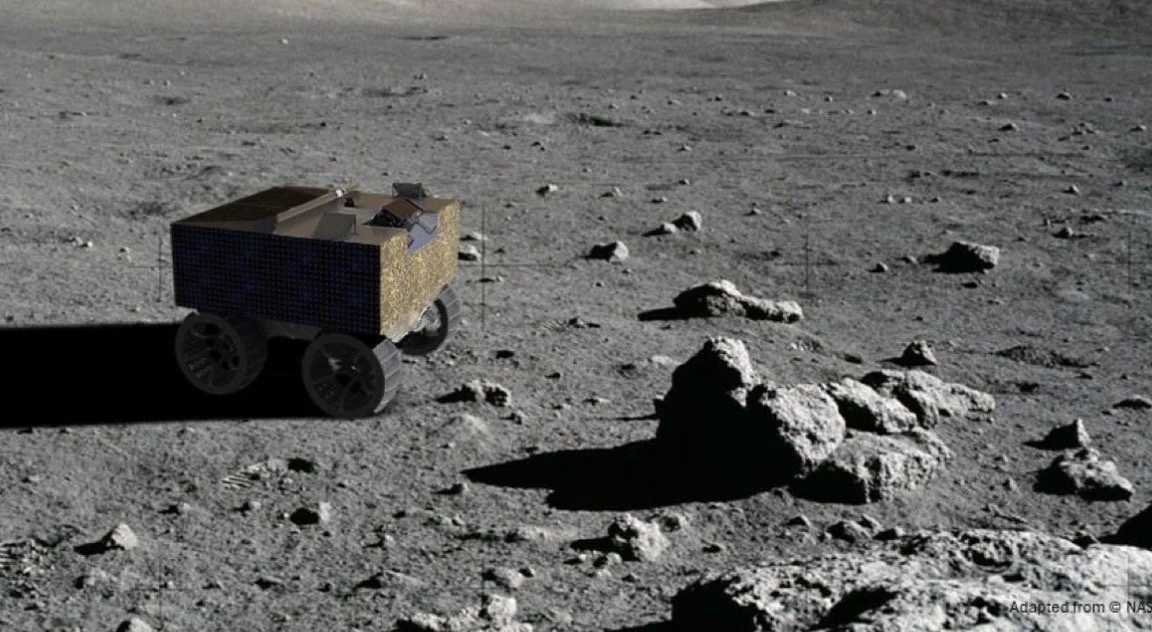
LUVMI-M rover concept on the lunar surface
The progression is already visible. MALETH asked how clinically important microbiomes behave in orbit. Fram2 is helping us examine how human blood and molecular regulation respond to short-duration spaceflight. LUVMI-M moves the work towards lunar data and future lunar biology. The next generation of projects increasingly focuses on the autonomy, resilience, and precision technologies required when crews venture much farther from Earth.
The missions conducted to date are all interconnected experiments following one trajectory.
Before we can build settlements on Mars, we must understand what happens to the humans who will live inside them. We need to know how their blood adapts, how their immune systems behave, how their microbiomes change, which molecular signals warn us early, and which countermeasures work before a small problem becomes mission-threatening.
The most complex spacecraft we will ever send to Mars is still the human body.
Sources
www.timesofmalta.com/article/maltese-space-research-company-wants-put-digital-archive-moon.1127887
www.bemags.com/techmag-features/maltas-space-bioscience-breakthroughs
www.linkedin.com/posts/joseph-sci-borg-46a621163_space-malta-usa-share-7491162405641674752-J3o5/









As AI optimises more of our lives, Adrian Galea argues that lived experience, taste, judgement and human connection could become our most valuable competitive advantages.