

The most innovative thing Europe could do is boring

For European businesses, the single market can still feel like a maze of regulation, tax regimes, procurement rules and national barriers
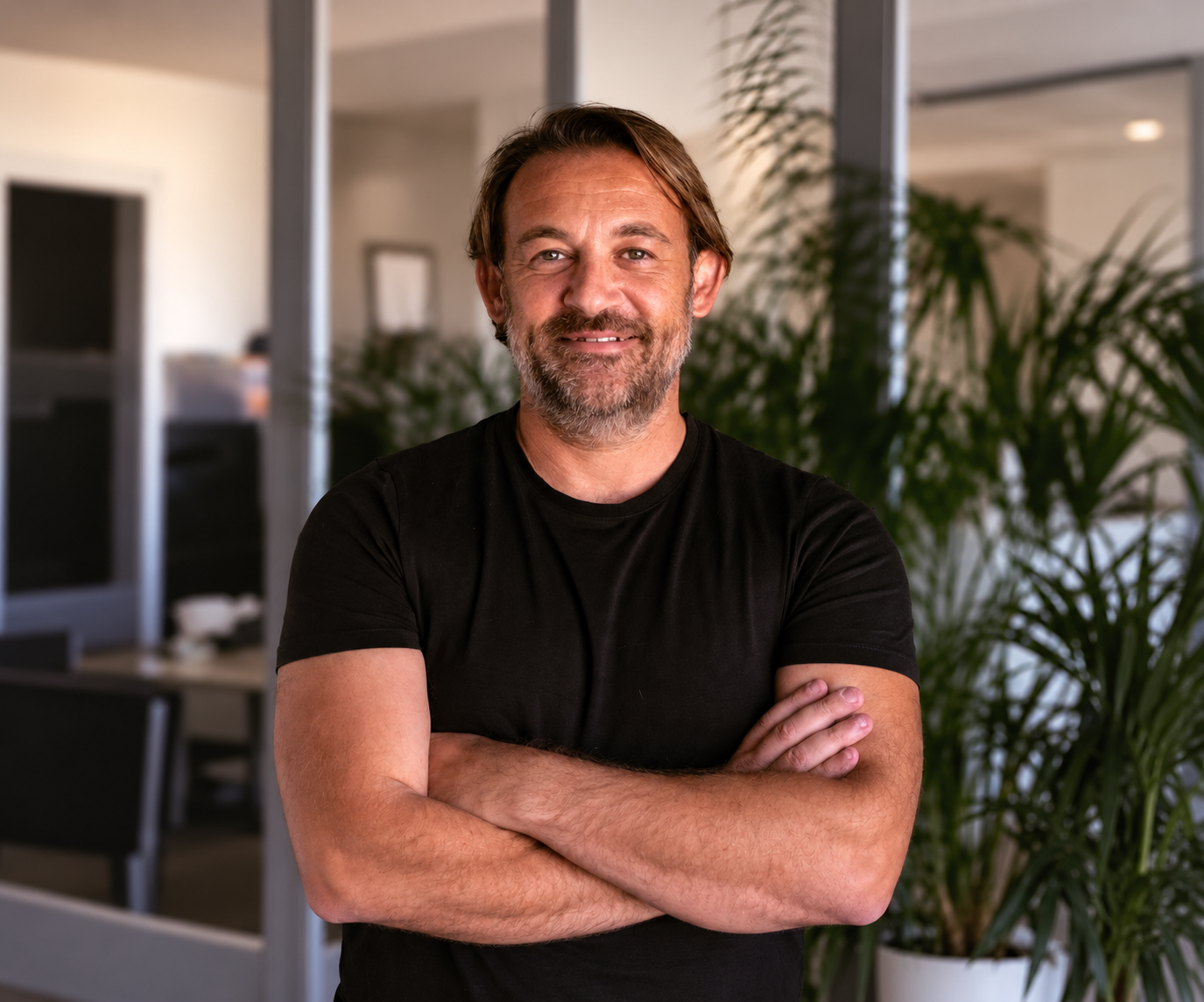
Europe's digital ambitions are bold, but Simon Azzopardi argues they are focused on the wrong problem. Building chips, cloud infrastructure and AI capacity will not create digital sovereignty unless Europe first completes the single market and gives its companies the scale they need to compete.
On 3 June, the European Commission unveiled the most ambitious digital policy package it has ever produced. The Tech Sovereignty Package: a Chips Act 2.0, a Cloud and AI Development Act, an open source strategy, an energy roadmap. Billions in ambition, aimed at a real problem: the EU relies on non-EU countries for over 80% of its key digital products, services, infrastructure and intellectual property. The diagnosis is accurate. Europe's digital dependency is a strategic weakness, and as trading blocs prioritise sovereignty, the anxiety is justified.
But the EU is too focused on the supply side. Chips. Data centres. Cloud capacity. Compute. Build the factories, permit the infrastructure, fund the hardware. It is treating digital sovereignty as a construction project.
Building these ambitious projects alone will not solve the problem because sovereignty is not built. It is an outcome.
I run services businesses from one member state, selling into others, and I can tell you what the single market feels like from the inside. Every border is a new country's worth of friction. New legal questions, new tax treatment, new procurement gatekeeping, new cultures and ways of doing things. The single market exists for a pallet of goods on a truck. For a services firm, a software firm, anything built on people and contracts rather than physical products, Europe is not one market. It is twenty-seven uniquely complex markets, each with their own flag.
The data says my experience is the rule, not the exception. The IMF estimates that internal barriers within the single market are equivalent to a 44% tariff on goods and a 110% tariff on services. Nobody legislated these tariffs. What they are describing here are the accumulated friction of twenty-seven implementations of every directive, twenty-seven tax administrations, twenty-seven interpretations of what a qualification means.
Intra-EU services trade is no higher than the EU's services trade with the rest of the world.
Thirty years after the single market was declared, a European services company trades with a fellow member state on roughly the same terms as with a country that never joined anything. For services, which make up three-quarters of Europe's economy, the single market is a name, far from a fact.
Look at how America actually became digitally sovereign. All they had and needed was 330 million customers who behaved as one market. A company founded in Ohio could sell to a customer in Florida the same afternoon, under broadly the same law, the same contract, the same internal process. Scale was easy. Sovereignty (the chips, the clouds, the platforms, the leverage) was not pushed or legislated. A massive market pulled it. Sovereignty was an outcome.
Europe is attempting to purchase the outcome while leaving the cause untouched. Three US companies control roughly 65% of the European cloud market. Why? Many tried. But no European firm could scale fast enough at home to compete for it. The gap was never technical. We know we have the talent and capital. It was always the market underneath. European companies fail because their home market punishes growth with friction at every internal border. So they stay national. Or they sell to an American acquirer who has the scale they were denied. Or they move to where the scale is. Then Europe spends public money trying to replace, with infrastructure, the giants it prevented itself from growing.
If that sounds abstract, here is what happened when someone finally asked the sovereignty question under oath. In June 2025, Microsoft France's leadership told a French Senate hearing that the company cannot guarantee European data will stay out of American hands, even data stored in France, under an offering marketed as sovereign. The reason is the US Cloud Act reaches any company with an American parent, wherever the servers sit—a data centre in Frankfurt owned by Redmond answers, ultimately, to Washington.
It gets more awkward. The European Data Protection Supervisor found that the European Commission's own use of Microsoft 365 breached the EU's transfer rules, so the Union's executive failing the Union's own test.
In reality, sovereignty needs company ownership, jurisdiction and scale to be real.
So where should Europe actually focus?
To its credit, Brussels has finally started on the right road. In March, the Commission proposed EU Inc., the "28th regime," a single European company form you can register digitally in 48 hours for €100, valid across the Union. And EU leaders endorsed it as a priority for adoption this year. It is the most useful thing in the entire sovereignty conversation.
However, it is also nowhere near enough. Every business operator reading the fine print knows why. The proposal harmonises the wrapper and leaves the contents national: tax stays with 27 administrations, cross-border hiring stays with 27 labour regimes, disputes stay with national courts. Incorporation was never the expensive part. The expensive part is everything that comes after. Beneath the legal friction sits a layer no regulation reaches: the cultural one.

Europe has the technology, talent and capital. What it still lacks is a truly unified market in which its companies can scale
How a Belgian enterprise buys is not how a German one buys. What counts as a credible reference in Paris carries nothing in Warsaw. A single company form does not make twenty-seven business cultures behave like one market. The EU is working hard to make the paperwork for entering each of them slightly thinner—hardly an ambitious impact.
Yes. EU Inc. deserves support, but it is just the first brick, laid thirty years too late. Each member state fights for tax, employment, procurement and court sovereignty, each defending its own cherished moat, but we need to decide: is this really more important than the scale it forecloses? This is the real test of the sovereignty agenda. Not whether Europe can fund chips. Whether it can build an actual single market.
For entrepreneurs, the practical conclusion is the opposite of what the EU claims. Stop building for "the EU market." Other than regulated licence passporting, it simply does not exist. Build for two or three real markets. Specific countries, specific regulatory regimes, specific buyer types. Win them properly and incrementally. Treat pan-European presence as something you assemble deliberately, border by border, not something that is already there for you. The companies that scale in Europe are the ones that price the friction in instead of believing the EU's brochure.
Let's zoom into Malta. If fragmentation is Europe's disease, Malta is its sickest patient.
A Maltese company has no domestic market. Half a million people cannot sustain a serious software firm, a compliance platform, a fintech. From the first day of trading, a Maltese business lives or dies by its ability to sell across borders. Malta, therefore, should be full of companies that sell cross-border, but you can probably name them all. That is not a failure of Maltese ambition. It is what a trade barrier does to an economy of small firms: it defeats nearly everyone before they start to grow. Malta is not the single market's expert. Malta is its clearest casualty; the country where "they just preferred staying home" is the one excuse that cannot be true. It was never an option.
Which is exactly why Malta should be the loudest voice in the room on EU Inc. on services liberalisation, on mutual recognition that works. No member state has more upside per capita in a completed single market, and none has less to lose in demanding it. That is a position a small state can actually argue from, and it costs nothing but consistency in our ambitions and arguments.
Europe's instinct when it feels weak is to build something visible. But the sovereignty it wants sits at the end of a less photogenic road: company law harmonisation, qualification recognition, all the things nobody holds press conferences about.
Complete the market and digital sovereignty, innovation and entrepreneurship will be pulled into reality because the market will be accessible and will demand it. The single market is the gigafactory. Europe already owns the land, the capital and the talent. It has just never finished what it claimed it had thirty years ago.


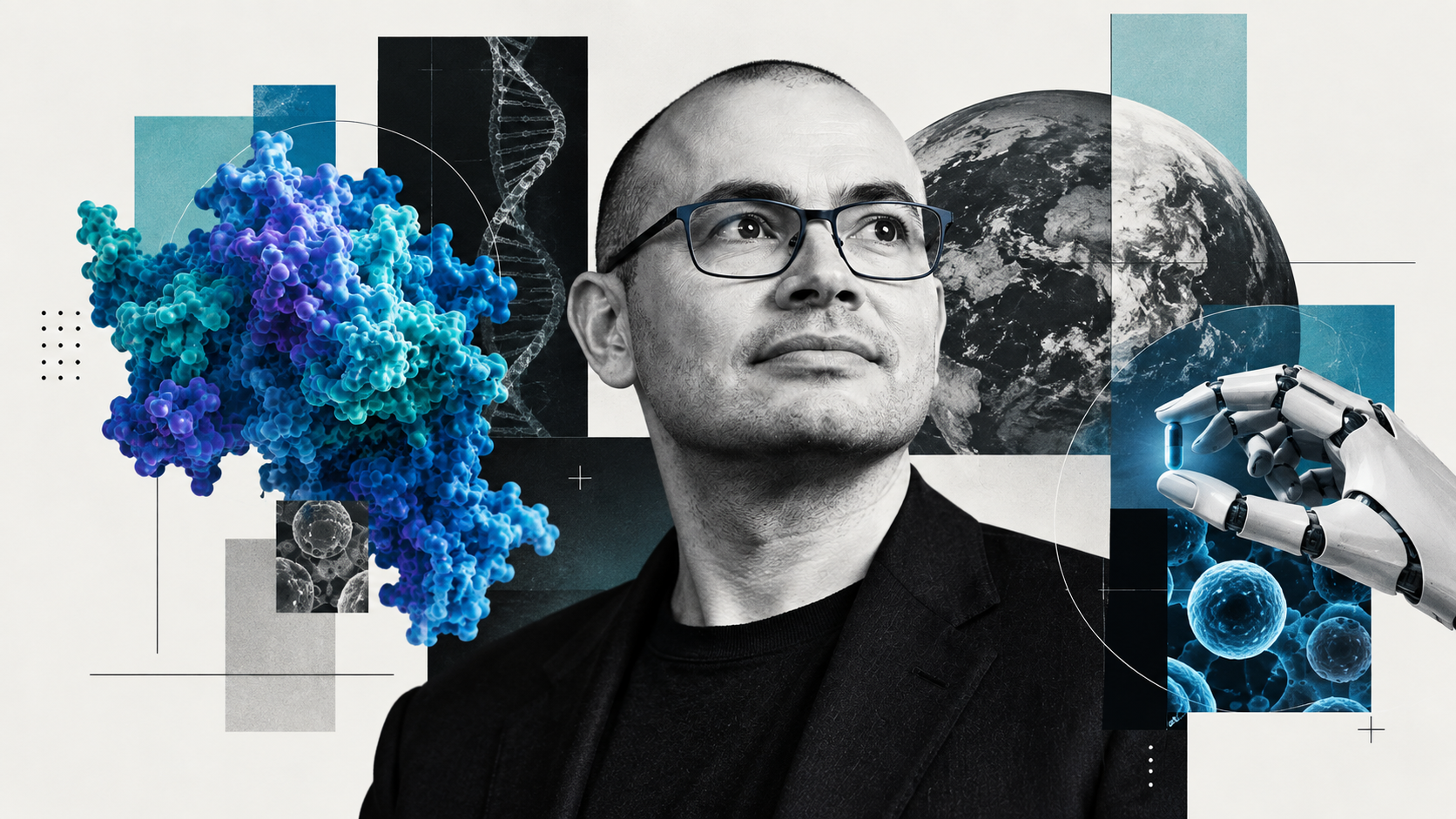










As AI optimises more of our lives, Adrian Galea argues that lived experience, taste, judgement and human connection could become our most valuable competitive advantages.