

Code. Scale. Play.
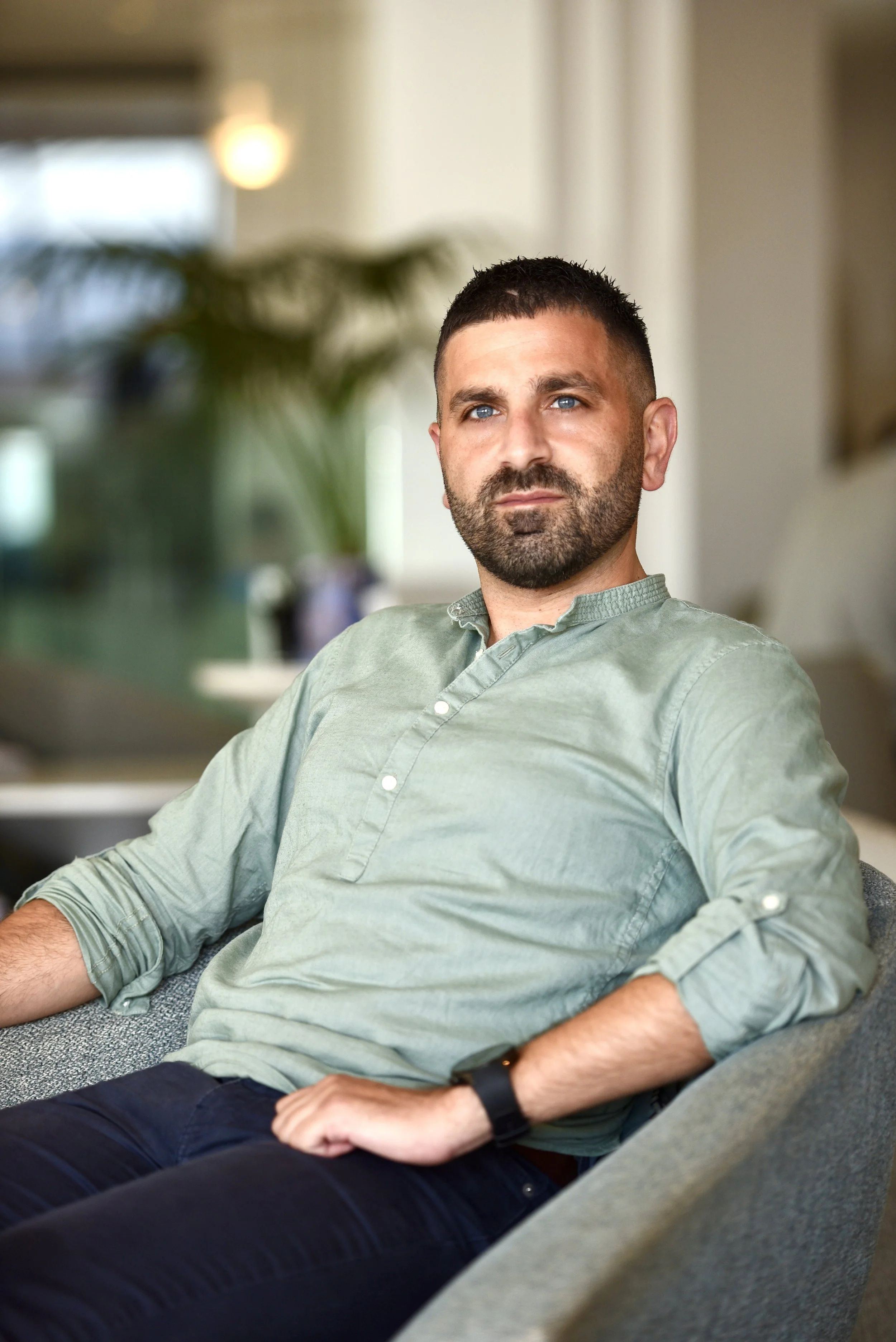
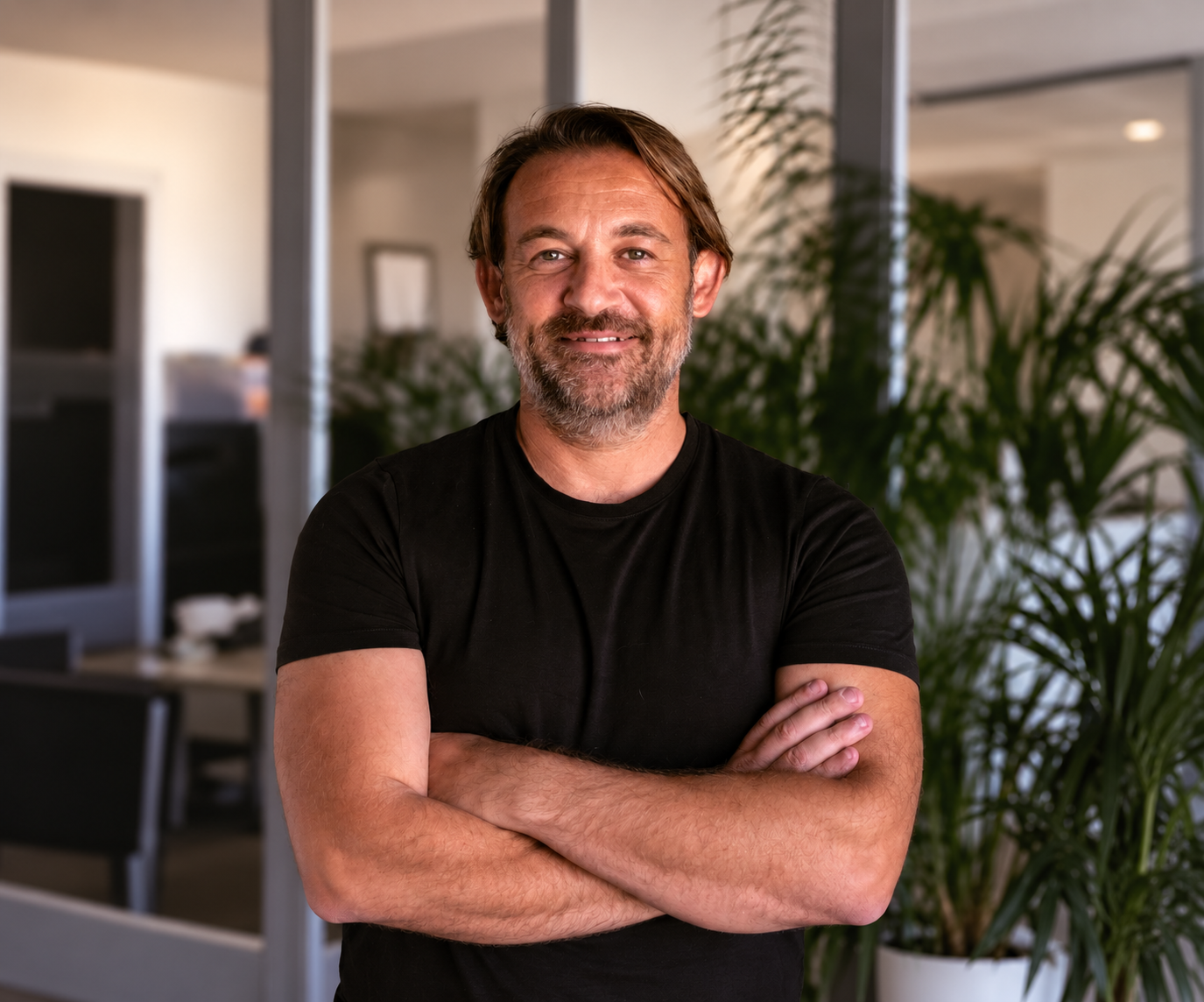
Behind every seamless live gaming experience lies a complex technology operation where failure is not an option. Religa CTO Renzo Vella reveals how engineering, innovation and human expertise are building a platform designed to scale.
Live casino may look effortless on screen, but behind every game runs a sophisticated technology ecosystem in real time. Video must stream with minimal latency, game states must remain perfectly synchronised, and platforms must perform reliably across thousands of devices, multiple studios and different regulatory environments.
For Religa, that challenge has grown alongside the business. Its technology teams span development, QA, studio operations and site reliability engineering, collectively supporting a platform designed to combine scale with extensive operator customisation.
Now, as Religa expands its international footprint and develops new products, demand on that infrastructure is increasing. Yet technology alone is only part of the equation. For CTO Renzo Vella, resilient systems depend just as much on communication, collaboration and human judgement. He speaks to Techmag about the engineering behind live gaming, building for reliability, keeping innovation compliant and where artificial intelligence genuinely belongs in the development process.
Religa has grown into a technology organisation supporting live casino operations across multiple countries. How is your engineering function structured today, and what does it take to keep development, QA and studio technology working as one team?
We have cross-functional, product-oriented teams supported by platform, QA, Studio Ops, and SRE. As a company, we believe the key factors to keep Development, QA, and Studio Tech working as one team are good communication and clear shared ownership, unified tooling and pipelines, and, most importantly, good cross-team planning and collaboration. This combination lets Development, QA and Studio Technology act as one team, delivering reliable, compliant, low-latency live casino experiences across countries.
One of Religa's biggest differentiators is the ability to tailor almost every aspect of the live casino experience for individual operators. How do you build that level of customisation without creating a platform that becomes too complex to maintain and evolve?
There are several factors which make it possible for us to offer personalised experiences for every operator. These include the use of a tenant-aware platform with defined extension points that ensure each operator has its own isolated configuration and plugins; an offerable, themeable user interface and content templates, together with localisation and branding components, among the most important factors. We give the operator an option to enable or disable features using simple administration tools.
Live gaming leaves virtually no room for failure. What are the biggest engineering challenges in delivering low-latency video, synchronised game states and uninterrupted reliability across multiple studios and jurisdictions?
Honestly, the biggest engineering headaches are simple to state and brutal to solve. Keeping networks fast and stable everywhere so video stays low‑latency, making codecs and clients efficient across thousands of device types, and keeping every player's game state and clock perfectly in sync without introducing delay. On top of that, you need backends that scale and fail over seamlessly, tooling and monitoring that find and fix problems immediately, tight API and version control so studios don't drift apart, and a compliance layer that respects different privacy and data‑residency rules around the world. Get any one of those wrong and the whole live experience falls apart.
Can you walk us through the journey from an operator's initial idea to a fully licensed live product? What happens behind the scenes between the first conversation and launch day?
From idea to licensed live product, the journey moves through the initial concept and feasibility (market, tech, regulatory), then we start listing the detailed requirements and architecture; in parallel, we check whether there is any need for licensing/regulatory submissions and partner contracting. Then, implementation and integrations start, and when finished, we move to rigorous compliance, security, QA testing, and regulatory certification. Finally, the last step is a progressive launch with 24/7 monitoring and rapid remediation. The timeline from the very first start until launch day typically takes around 8 to 18+ months, depending on regulation, scope, and type of product.
Innovation often means rethinking established concepts. The development of your flat-surface roulette variant is one example. How do you encourage innovation while ensuring every new product remains mathematically robust, compliant and trusted by regulators?
We encourage teams to do small time-boxed experiments and let them experiment freely with their ideas, but each new game has to pass rigorous safety gates. A formal specification for rules and a math model should be specified, with many simulations and tests done for extreme cases. Implementation, a test harness that can be reproduced independently, third-party audits/certifications, and an analysis of its regulatory impact. Product teams are paired with math and compliance departments in the early stages to prevent costly rework and risky surprises by aligning feasibility, metrics and legal constraints from the start. Auto-alerts for real-time monitoring are required, and this is ensured by the company's culture of rewarding quick, instrumental learning.
As Religa expands into new markets such as Croatia and Bulgaria, how does technology help you scale internationally while meeting different regulatory requirements and maintaining a consistent platform?
Scaling to Croatia, Bulgaria, and other markets was achieved through a modular platform and architecture in which core logic stayed the same while regional rules were customisable for each market. Regional deployments are also done to ensure data residency and low latency. Tenant isolation is also implemented so that each market has to abide by its AML rules. The use of CI/CD pipelines with canary gating also helps a lot, as well as pairing product teams with compliance.
Artificial intelligence is becoming part of almost every technology discussion. Looking ahead, where do you believe AI and automation will genuinely improve live gaming operations, and where do you think human expertise will remain irreplaceable?
I believe that the use of AI and automation will truly revolutionise live gaming operations in multiple ways; however, we strongly believe that AI can only assist, not replace, humans. In our company, our dev team mostly uses AI to help automate code review by flagging issues, potential bugs, complexity hotspots, and suggesting fixes. AI is also helping when it comes to QA. It helps by generating unit/integration tests and creating end-to-end test cases. At the end of the day, everything needs to be reviewed and verified before merging anything. Teams should combine AI-driven automation with strong verification, transparent governance, and continuous human oversight.
In short, technology can only take you so far; delivering flawless live gaming demands a skilled, cross‑functional team that blends engineering, ops, product, data and compliance. Their judgment, collaboration and ownership turn complex systems into reliable player experiences, enable quick recovery from failures, and keep innovation sustainable. A strong team is the difference between a fragile platform and one that scales securely and confidently.








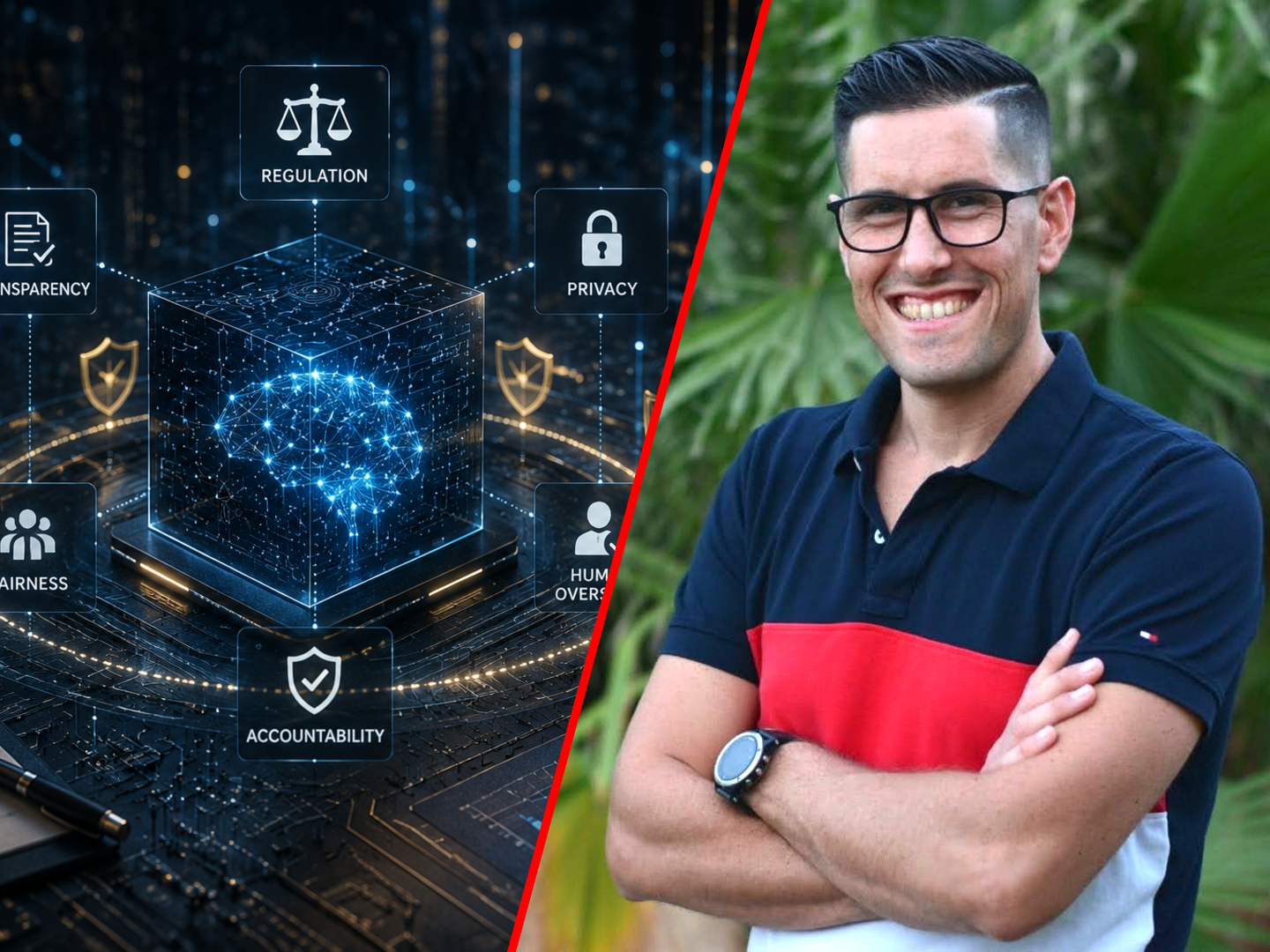




As AI optimises more of our lives, Adrian Galea argues that lived experience, taste, judgement and human connection could become our most valuable competitive advantages.