
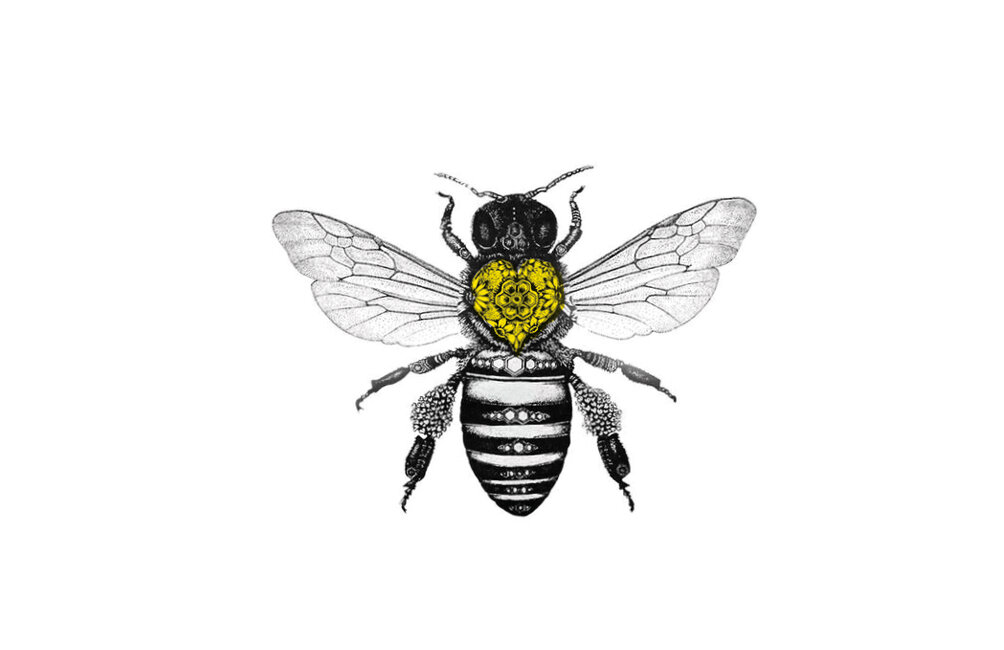
Lived experience in an optimised world

For decades, technology has promised a more efficient, predictable and optimised way of living. Yet as artificial intelligence and algorithms become increasingly capable, the qualities that distinguish us are shifting. Adrian Galea explores why lived experience, human judgement and cultural awareness may become our greatest competitive advantage in an age defined by optimisation.
After spending more than a decade making us dependent on our screens, the hottest startups emerging out of Silicon Valley are now helping us find friends; for example, Clyx raised $14m to take on the "loneliness epidemic". Similarly, the World Cup, music concerts and other sporting events have become a luxury item to flaunt for the rich and famous. Ticket prices to see and be seen are reaching all-time highs, coining the term "funflation".
We have come full circle from the tech culture that pulled us away, a culture which supplied solutions that provided the ultimate dopamine distraction, which now is seemingly telling us the edge sits inside "lived experience".
Modern business strategy markets data-driven decision making as the new gospel. Tech platforms provide us with a working SaaS framework from within which to operate, so that our key decisions can be analysed to furnish feedback loops and network graphs. For business managers, this environment of efficiency and control has driven unprecedented margins and profitability at scale, and for the workers who mastered these platforms, a sustainable competitive edge and earning ability.
Our personality and unique quirks developed through experience have accompanied our professional and personal journeys. An increasingly mechanised world is centralising our actions, decisions, and thinking, but at the edge, where it matters, it is our uniqueness, not our conformity, that defines us.
Self-optimisation and success
Podcasters like Steven Bartlett (Diary of the CEO) have risen to prominence as advocates of this disciplined and orderly lifestyle, regularly presenting his audience with guests who promote frameworks for self-optimising and maximising efficiency in life choices, all tracked on our smartwatches and other wearable tech. One may argue that the world celebrates elite athletes like Michael Jordan, Cristiano Ronaldo, and Eileen Gu for their achievements, which are invariably built upon the foundation of incredible discipline, mental strength, and self-sacrifice.
So, to be a high-achieving professional in the business world, emulating these tactics has become the process and lifestyle of choice. After all, high-growth tech founders are handed millions of dollars to achieve billion-dollar outcomes, targeting success despite the slimmest margin and in an environment of brutal competition. The Silicon Valley dream that floods our social media feeds and influences our youth requires self-sacrifice, and Bartlett and his peers are simply the vehicle that distributes the formula to an eager audience.
Examined choices, both in our work environment and the way we self-curate, are all well and good for as long as they address our professional needs and goals. Tech platforms, however, have continued to use these same reduced-window frameworks for experiences outside the business environment. Kyle Chayka posits in his book Filterworld that applications like Instagram and their underlying digital algorithms are responsible for a flattening of global culture. For example, on a recent trip to Tokyo, I found myself sipping coffee at a café with décor that could have been designed in Madrid, Medellín, or Malta. This behaviour is driven by a desire to eliminate friction and secure a guaranteed, visually flawless experience.
Chayka explains that this pervasive "sameness" offers users a fabricated sense of comfort in unfamiliar cities. This globally standardised "Instagrammable" aesthetic effectively replaces genuine local character and flavour. He emphasises how machine-led curation limits our real-world preferences, turning us into passive participants in a series of uniform experiences from which algorithmic platforms earn a cut.
The human habitat
When people seek out life experiences, the accuracy, precision, and discipline of the tech world fill us with fatigue from constant activation and do not deliver the changes in rhythm that allow memorable moments to emerge. Volatility, uncertainty and chaos are the ingredients for the moments we cherish. The reason sporting, artistic, and live events command a premium is that the unscripted outcome is counter-culture to an increasingly precise and deterministic existence. Famously, no great story ever started with a salad in a health food shop. The algorithm answers the question of "I want a memorable experience?" with high-consensus recommendations, but those two actually diverge. The distinction is where awareness and taste reside, the uniquely human habitat of moment and feeling.
When optimisation becomes the only value, something essential is lost. Felix Guattari, a French philosopher, warned about this. He argued that when systems optimise without care for subjectivity, they produce alienation rather than liberation. Cultural spaces- festivals, concerts, communities- are environments where people are not looking to be optimised. They are looking to feel, to connect, to be present. Intelligence and innovation emerge from interaction rather than enforcement. The interconnectedness of mental, social, and environmental systems supports individual experience, strengthens collective dynamics, and respects the physical and emotional environment.
Co-living with technology: in work and life
"The problem of modern technology is not its power, but its claim to universality, one technical logic, scaled endlessly, indifferent to place, memory or rhythm."
Rods Rodríguez, On Culture and Arrival
Data-driven rigour won the tech era, and embracing it gets you into the top 1%. Precision doesn't cap you; it gets you to the frontier. As the AI era dawns, general-purpose models can understand our systems and processes in unprecedented ways. But at the frontier, situations arise where the data goes silent, and taste and the human condition can suddenly be a highly influential asset.
Human contribution becomes about attention, hospitality and resonance. Your cutting-edge AI product may be what your client purchases, but the good conversation over whisky is what seals the deal. Our role is not to understand everything, but to stay close enough to interfere where and when it matters. In highly optimised environments, everything is already excellent; precision hits diminishing returns, yet the human signature distinguishes. The odd choice, the lived reference, the personal empathetic touch can emerge as the winning formula.
For as long as humans remain our final customer, for as long as humans remain required for decision-making and business development, professional and social life will be a "lived experience". These domains will remain subject to taste, cultural resonance and rhythm, wherein the calibration between man and system will require balance.
If we allow human existence to be reduced to mere computation, the displacement of our roles by AI is inevitable. However, if we recognise that the vital "last mile" of life may be defined by volatility and chaos, this inherent unpredictability is precisely where human potential thrives. This last mile is where decisions are required when conflict takes place, when systems fail or are not yet optimised, when edge cases appear or when new audiences and markets are approached that are unknown to the model.
Success in this landscape does not solely demand narrow specialisation. Rather, the competitive advantage may belong to the independent-minded and the non-conformists. Generalists create value by bridging disparate datasets that otherwise remain isolated; a diverse range of references serves as its own protective moat.
While machines may master the optimisation of established functions, the uniquely human task is to determine which objective actually matters. Preparation and discipline will allow us to sit at the frontier where decisions matter; lived experiences, made memorable through taste and awareness, will alert us to the opportunity.






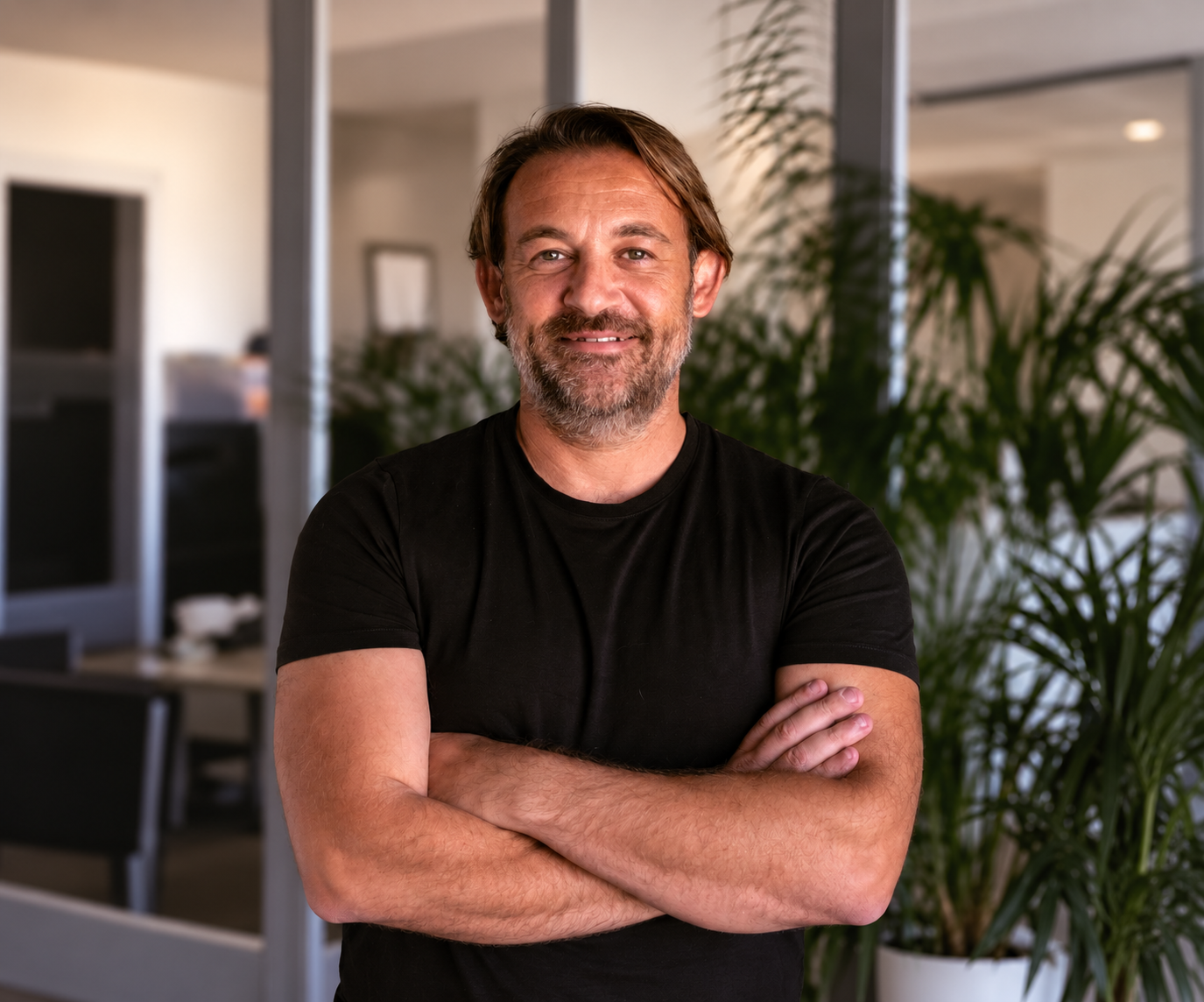



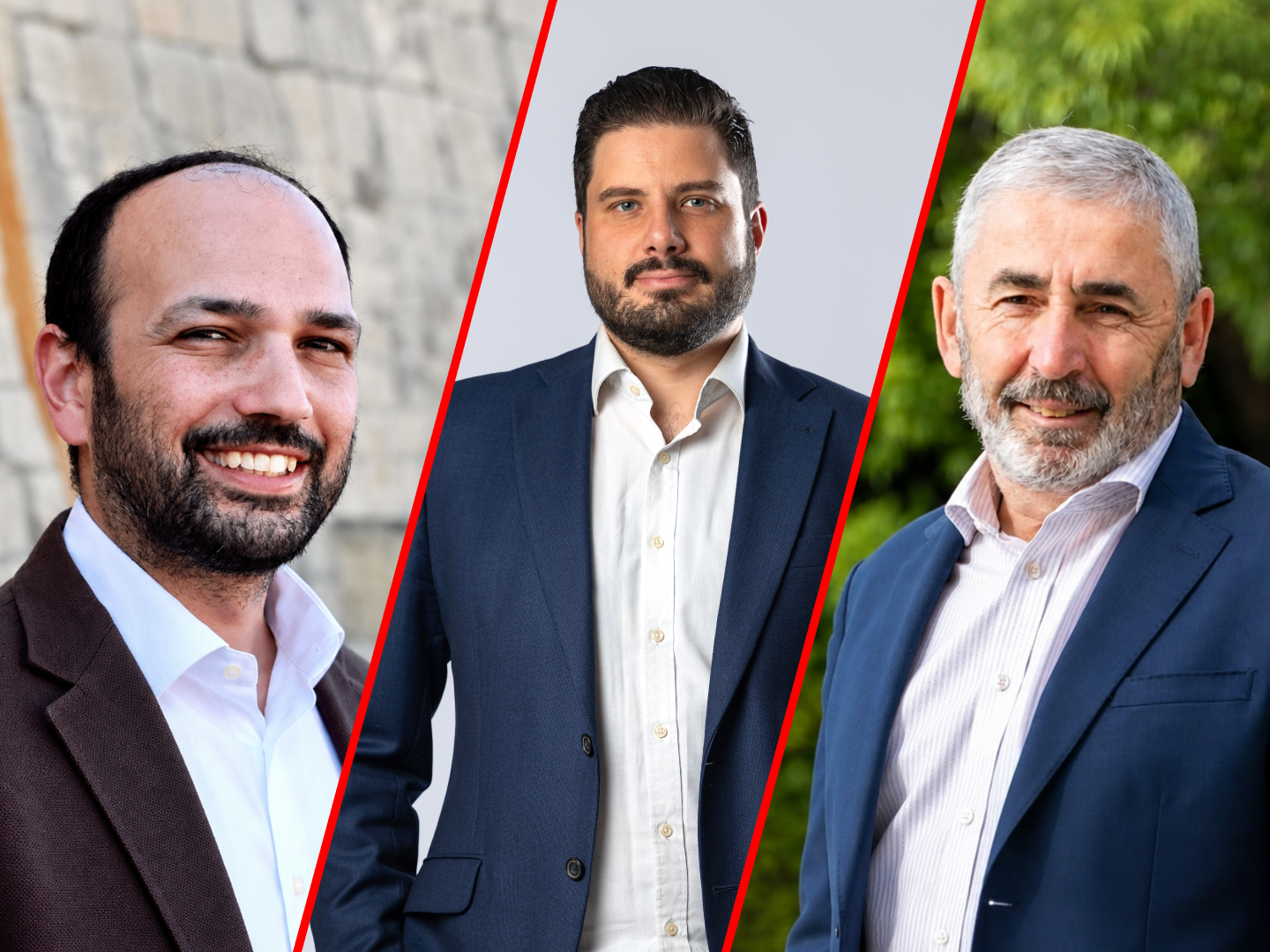



As AI optimises more of our lives, Adrian Galea argues that lived experience, taste, judgement and human connection could become our most valuable competitive advantages.