

The end of the chatbot

AI is moving beyond answering questions. The next generation of intelligent systems can increasingly use software, make decisions and complete work on our behalf. The age of the agent has begun. Artificial intelligence is moving beyond conversation and into action. Techmag looks at the rise of AI agents — systems that can increasingly use software, complete tasks and operate on our behalf — and asks what happens when the computer stops waiting for instructions and starts doing the work.
For the past four years, most people's experience of artificial intelligence has involved a remarkably simple transaction: type something into a box and wait for the machine to respond. We ask ChatGPT to summarise a report, write an email, explain a spreadsheet or suggest an itinerary. However sophisticated the answer, the basic relationship remains familiar: we ask; the computer answers.
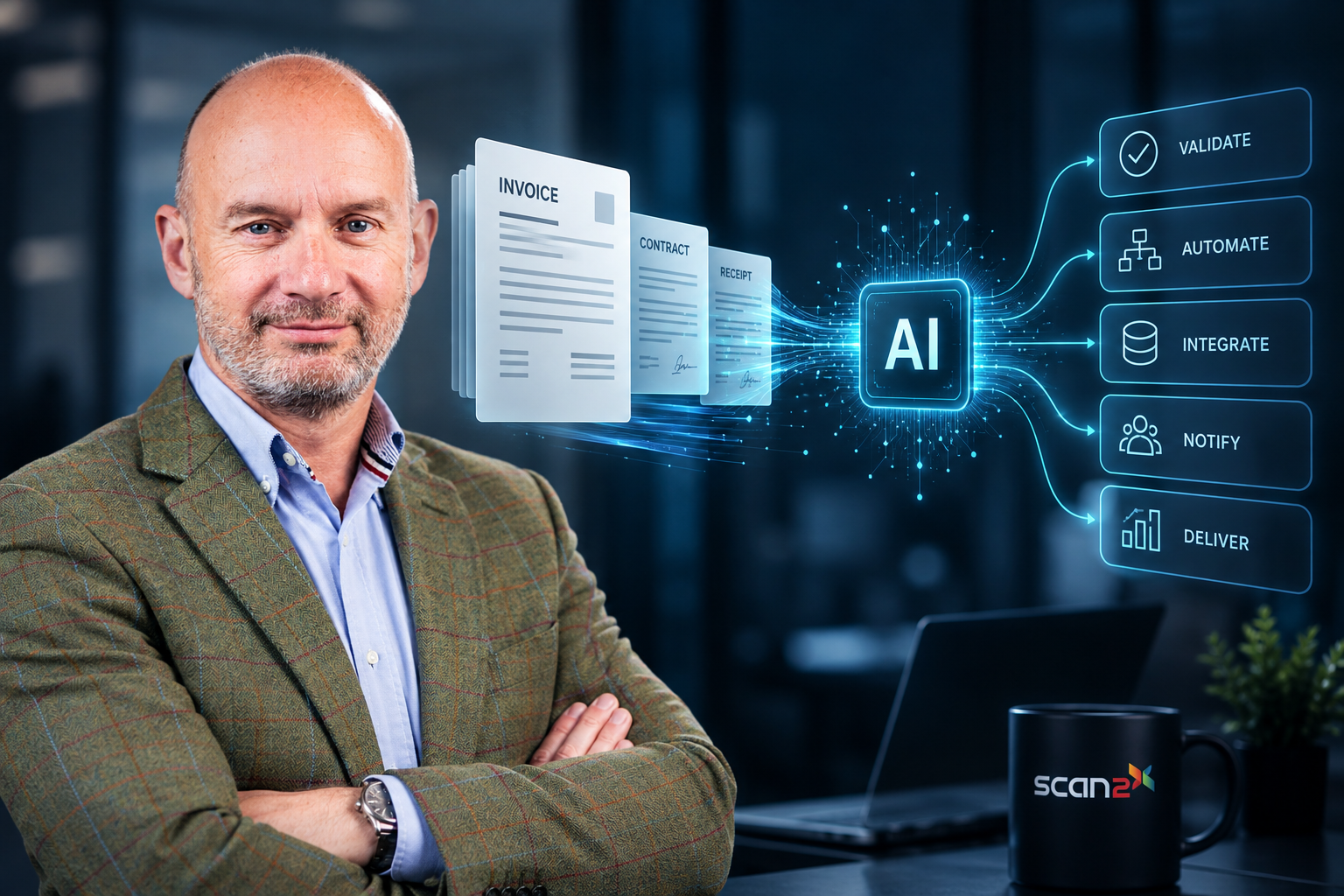
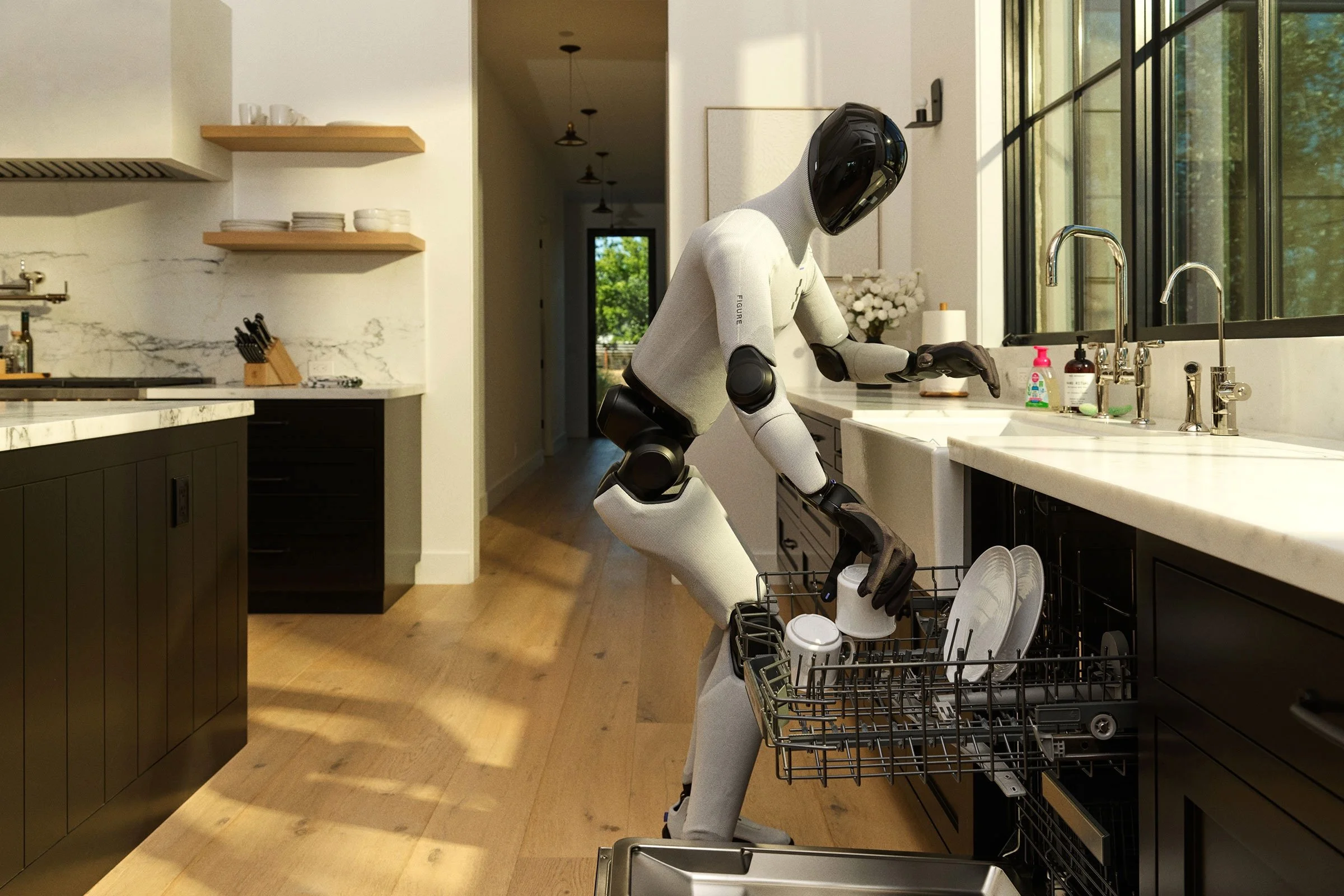
That relationship is beginning to change. The next phase of artificial intelligence is increasingly about agents: AI systems designed not merely to tell us how to accomplish something, but to carry out parts of the task themselves. Instead of asking AI to explain how to research a market, for example, an agent can potentially gather the information, analyse it, produce a report and pass the finished work back to a human for approval.
The difference between the two may ultimately prove more important than the arrival of the chatbot itself. Increasingly, organisations are moving from AI assistance towards delegation, giving systems access to the context and tools required to complete increasingly complex tasks.
Interestingly, Malta is already unusually receptive to the technology.
Eurostat data for 2025 shows that 46.5 per cent of people in Malta used generative AI tools, the third-highest rate in the EU, behind only Denmark and Estonia and well above the EU average of 32.7 per cent. The opportunity now is to move from individuals using AI to businesses embedding it into how they operate. And that is already happening elsewhere.
The agents already at work
At European smart-home company tado°, the problem is one many businesses will recognise: demand does not arrive evenly. During the busiest heating season, customer conversations can increase by as much as 400 per cent, rising from around 10,000 contacts a month to approximately 11,000 a week. Rather than expanding its customer-support operation every winter, tado° uses an AI agent to absorb much of the additional workload. The company reports workflow completion rates of up to 70 per cent while customer satisfaction has reached as high as 90 per cent during peak periods.
At reMarkable, the Norwegian company behind the distinctive paper tablet, agents have moved beyond customer service and into the organisation itself. Its customer agent, Mark, now handles 37 per cent of support cases, while achieving customer-satisfaction levels comparable with human agents. A second agent, Saga, works internally through Slack, answering employees' IT questions, troubleshooting problems and even creating support tickets when human intervention is required.
These examples are far from the science-fiction idea of autonomous digital employees replacing entire departments. They show something more immediate and potentially more important: software beginning to do work that previously required a person to sit in front of other software.
What happens to software?
For decades, the digital economy has been built around humans learning how to operate machines. We open applications, navigate menus, fill in fields, move information between systems and learn the peculiarities of dozens of different interfaces.
Businesses have consequently spent fortunes on CRM systems, accounting platforms, HR applications, project-management tools, and countless other pieces of software through which employees do their jobs. Agents could begin to invert that relationship.
Imagine a sales director asking an AI system to identify every customer whose spending has fallen by more than 20 per cent during the past six months, investigate possible reasons, prepare an individual briefing on each account and draft an appropriate follow-up. Today, that could involve exporting data, manipulating spreadsheets, checking a CRM system and writing multiple emails. An agent connected to those systems could potentially orchestrate much of the process itself.
The underlying software does not disappear. Databases, payment infrastructure, communications systems and specialist applications remain essential. What may disappear is some of the human effort required to operate them. Increasingly, the interface becomes the objective: tell the machine what outcome you want rather than every step required to produce it.
From copilot to colleague
That also changes what businesses need from AI. Generic intelligence is useful, but an agent entrusted with actual work needs considerably more. It must understand the organisation's data, customers, permissions, rules and processes.
Yet the comparison with an employee has limits. Today's agents can still misunderstand instructions, make incorrect assumptions and confidently take the wrong course of action. Allowing an AI to organise research is one thing; allowing it to transfer money, alter customer records or make legally significant decisions is quite another.
The age of agents therefore creates a paradox. As machines become capable of operating with less human intervention, deciding where humans must intervene becomes more important. The organisations that benefit most may not be those that automate everything, but those that understand where autonomy creates value, where approval remains necessary and where responsibility must stay firmly human.
The computer begins to disappear
Personal computing has already passed through several great interface changes, from command lines to graphical desktops, from keyboards and mice to touchscreens and apps. Agentic AI may represent another.
The computer will not physically disappear, of course. What could gradually disappear is the need for humans to explain exactly how the computer should accomplish every task. Instead of learning which application to open, which menu to navigate, and which sequence of commands to follow, we increasingly tell the machine what we want done and let it work out how to get there.
If that happens, today's chatbot may eventually look less like the destination of the AI revolution than its opening act. The defining question will no longer simply be what an intelligent machine can tell us.
It will be what we are prepared to let it do.








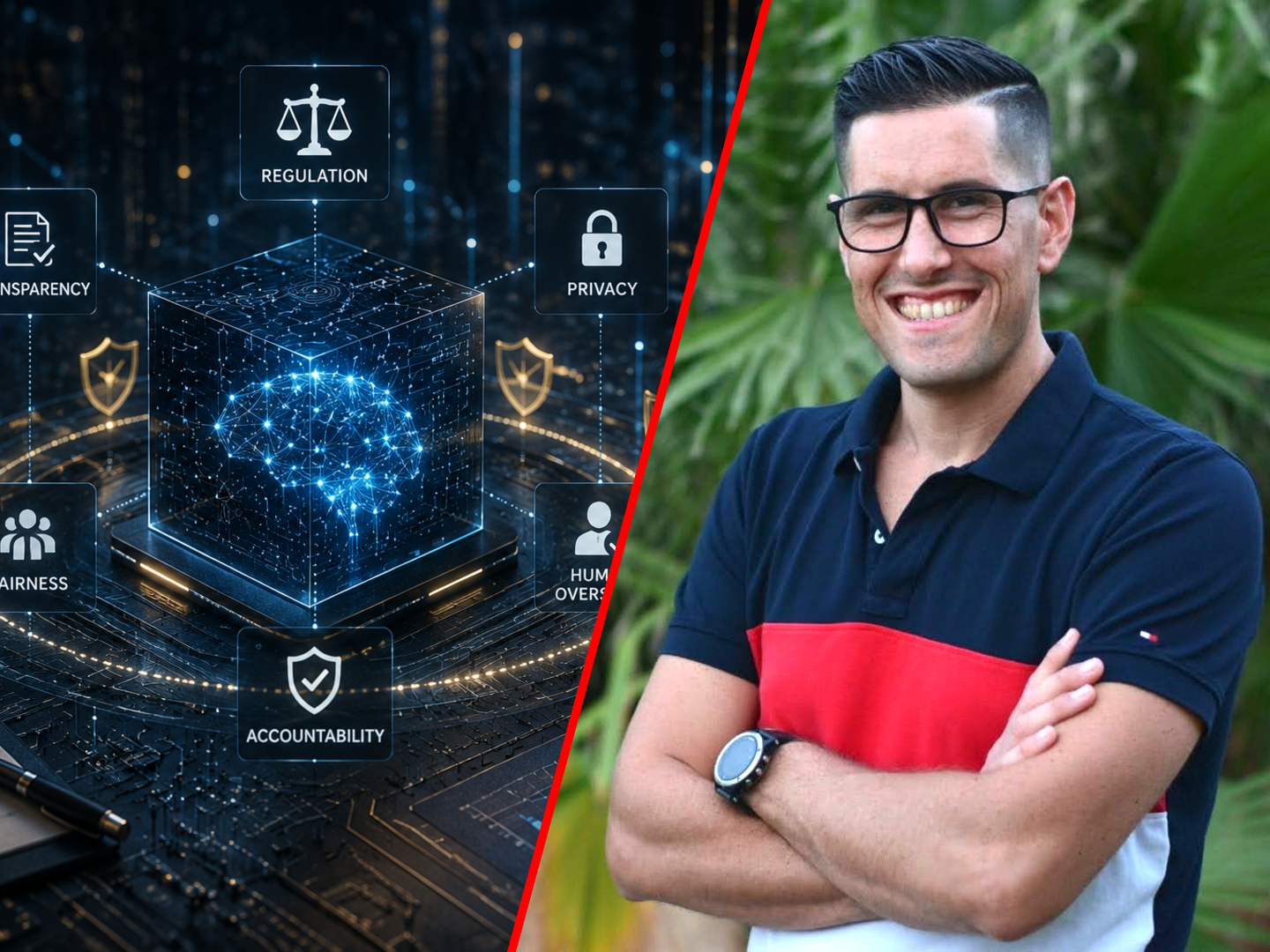




As AI optimises more of our lives, Adrian Galea argues that lived experience, taste, judgement and human connection could become our most valuable competitive advantages.