

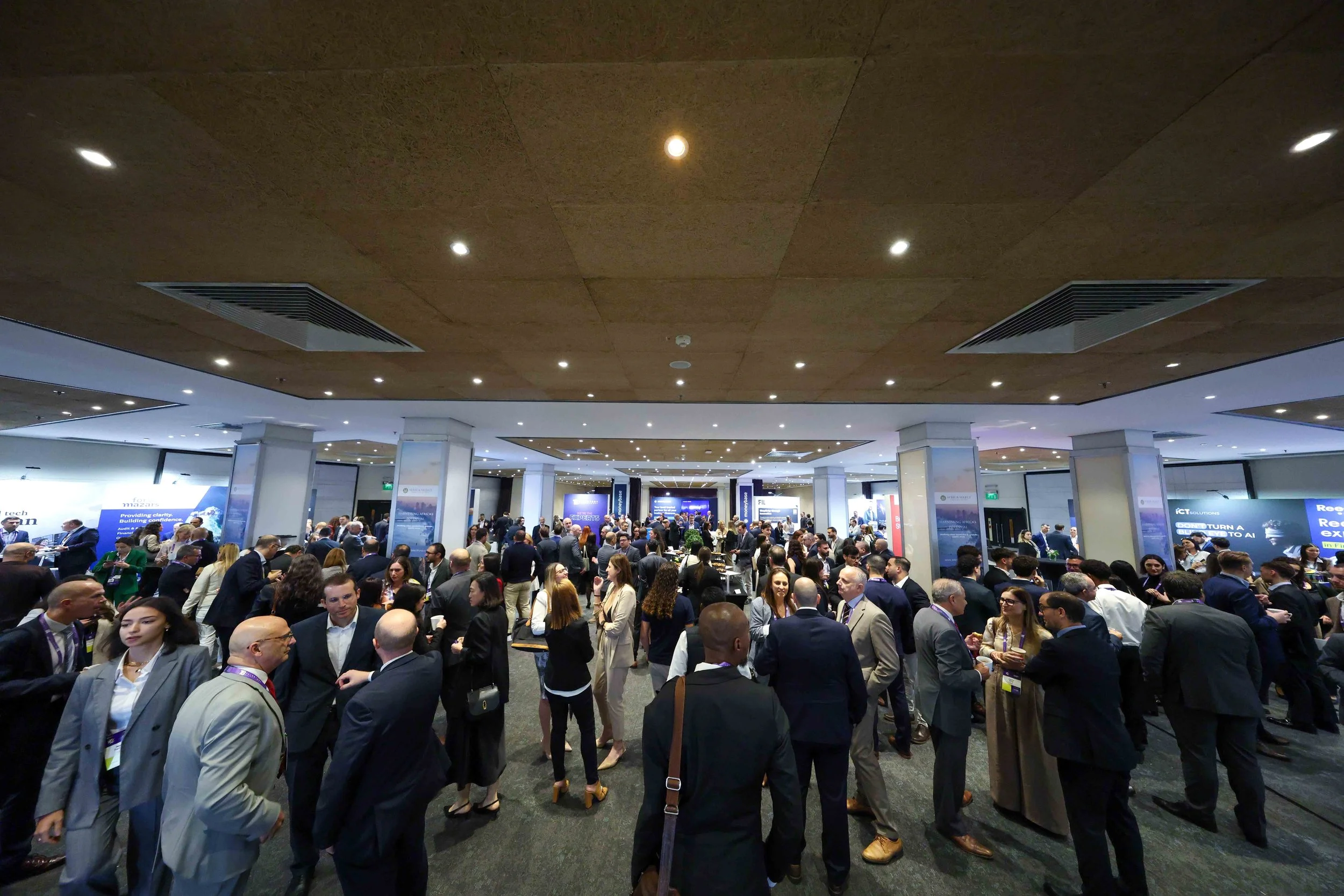
Malta has proved it can attract financial services. The harder question now is what that capital is actually doing. George Vella, Chairman of FinanceMalta, argues that the next phase must focus on financing the industries, technologies, and businesses that can drive Malta’s future economy.
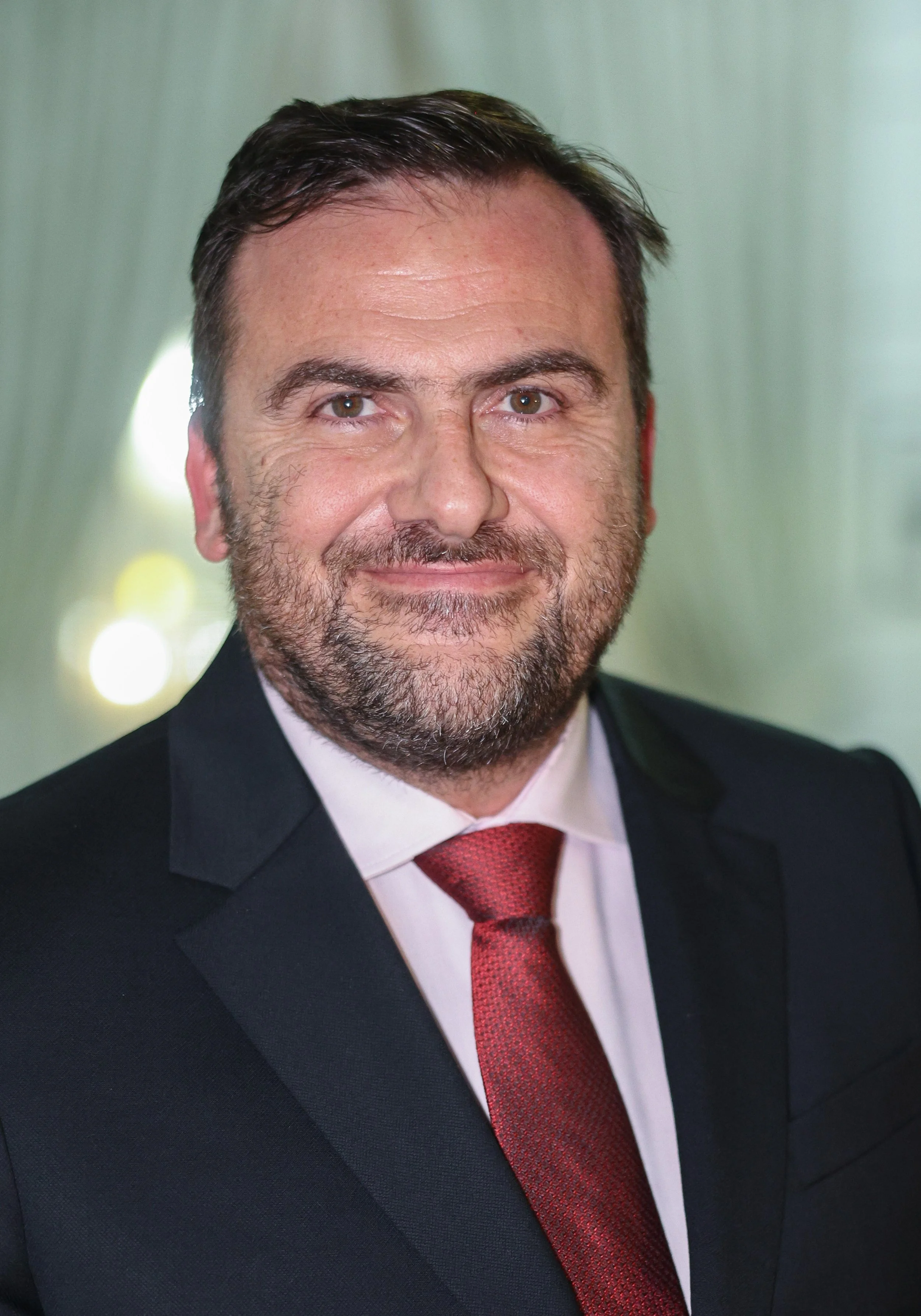
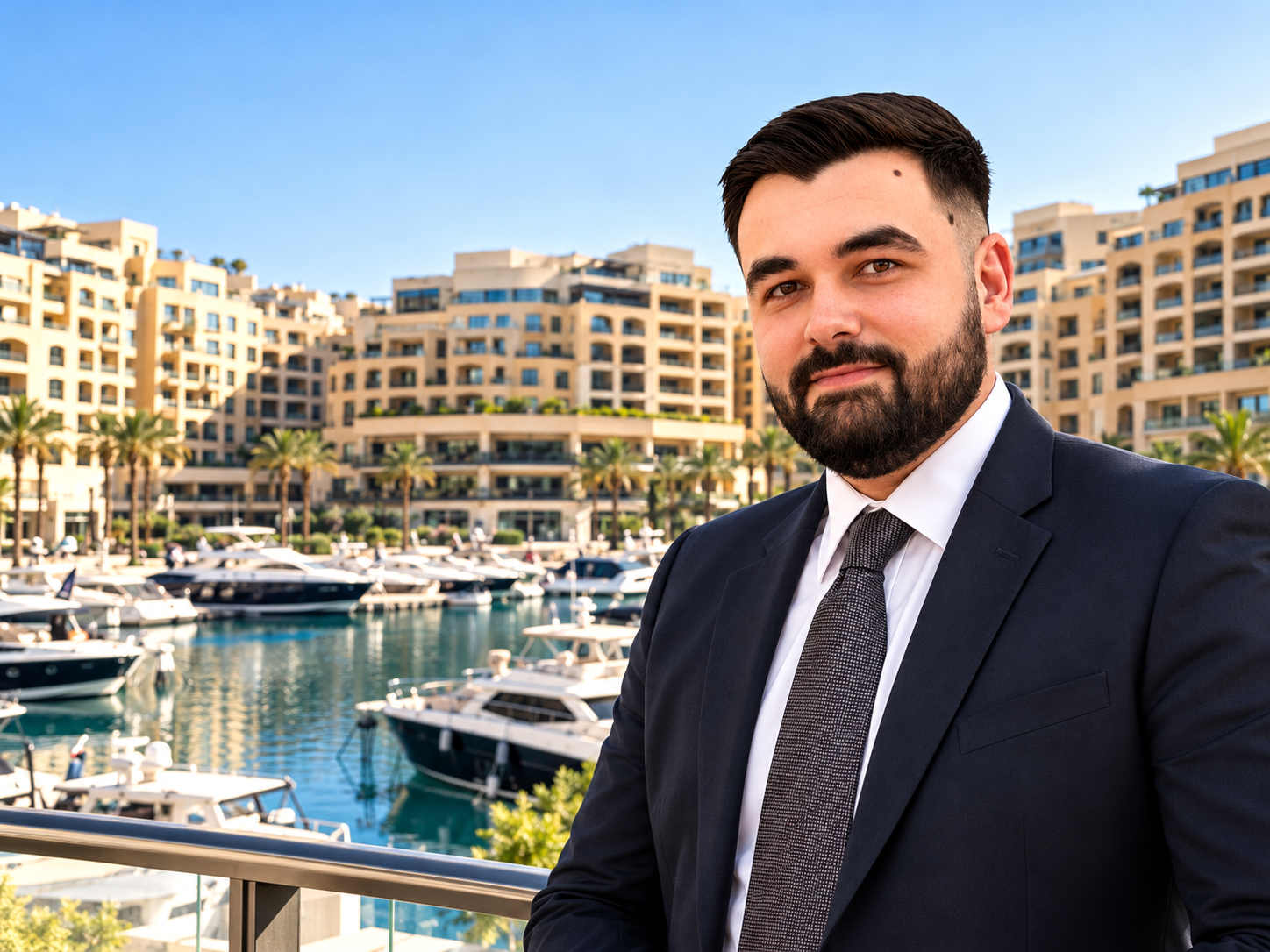
FinanceMalta Chairman George Vella
For years, Malta’s financial services story was largely one of growth. We sought more licences, more firms, more international business and a bigger contribution to the economy. But the conversation is changing, and today, the more crucial question is not simply how much financial services business Malta can attract, but what kind of economy its financial sector can help finance.
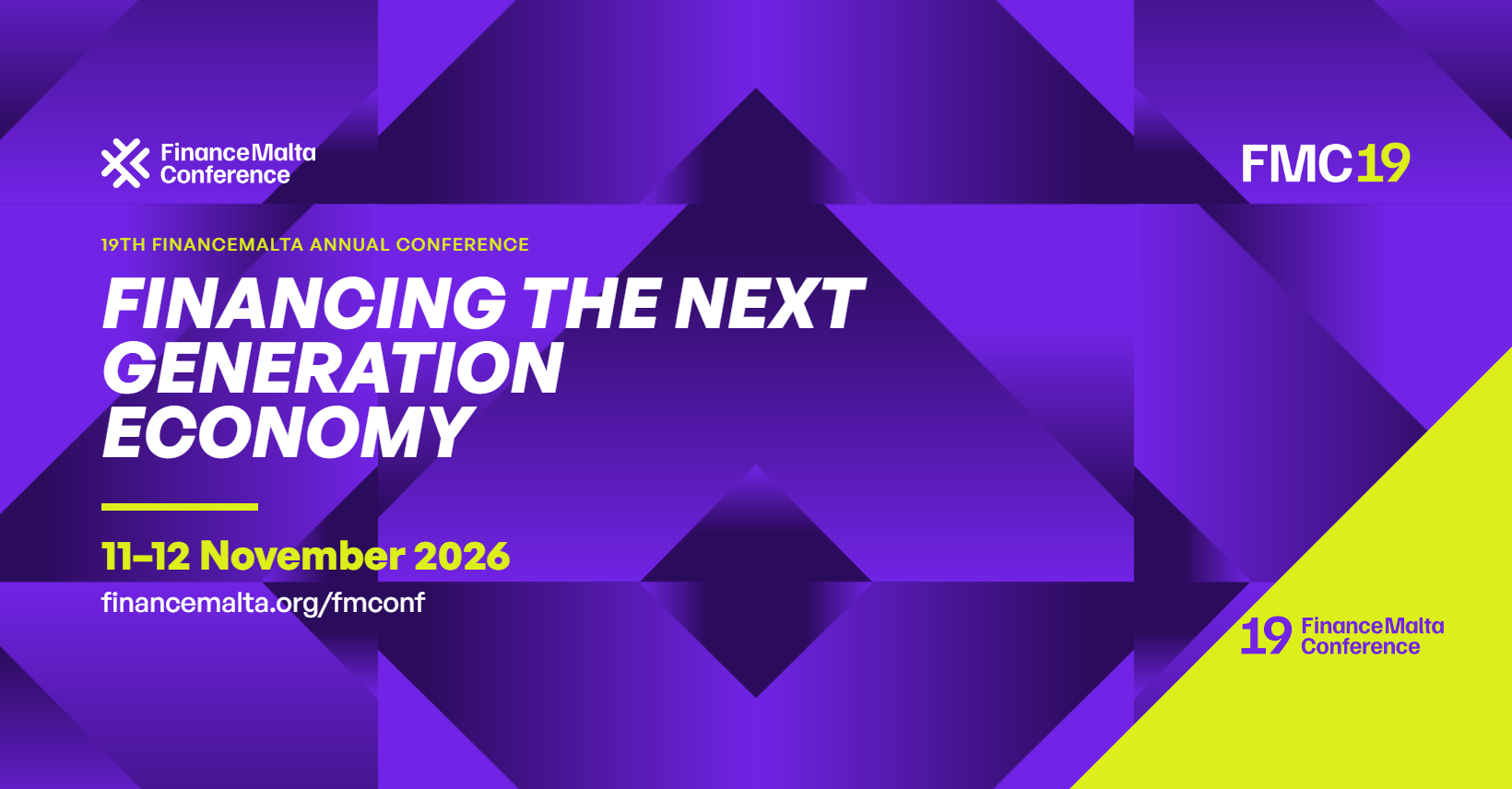
This is the thinking behind FinanceMalta’s forthcoming 19th Annual Conference this coming November.
The conference theme Financing the Next Generation Economy reflects a necessary shift in perspective. We know scale alone is no longer an adequate measure of success. Malta needs greater depth, quality and resilience, while focusing on areas where it can credibly differentiate itself.
This means moving beyond the idea of financial services as an economic success story in isolation. The sector’s real value should increasingly be measured by its ability to channel capital towards the businesses, technologies and industries capable of generating Malta’s next phase of growth.
That is easier said than done. Malta’s ambitions extend into areas such as capital markets, family offices, fintech, tokenisation, digital assets, gaming, maritime and aviation, transport finance and the emerging space economy. But regulatory frameworks alone do not create successful industries. They require capital, specialised skills, credible institutions, appropriate infrastructure and access to international markets.
This is where the conference’s central question becomes particularly relevant: can Malta turn its economic ambitions into investable opportunities?
The answer will depend partly on whether the financial ecosystem can mobilise capital differently, with greater emphasis on long-term investment, specialised financing and the development of a stronger domestic capital market. And the forthcoming conference programme reflects that challenge.
Sweden’s experience in developing its capital market, examined by Jimmy Kvarnström, the Executive Director of the Swedish Financial Supervisory Authority, will offer one perspective. Sessions on tokenisation, crowdfunding, occupational pensions, creative-industry finance, transport finance and family offices will explore other perspectives.
These subjects may appear disparate, but in reality, they share a common thread. Each raises the question of how Malta can mobilise more capital, for longer periods and into more productive and specialised areas of the economy.
Even discussions around artificial intelligence, skills and digital resilience belong within this broader debate. Capital and technology are necessary, but neither is sufficient. A next-generation economy also needs people with the right expertise, institutions capable of managing emerging risks and regulation that provides confidence without unnecessarily constraining innovation.
This is ultimately why this year’s conference theme matters. Malta has reached a point where attracting financial services activity for its own sake is no longer enough. The next stage requires a clearer connection between finance and the productive economy.
The real test is whether Malta can identify where it can genuinely compete, and then build the financial architecture needed to support those opportunities. More than pursuing growth for its own sake, it is time to seek true value in sustainable, scalable, and more realistic growth.
FinanceMalta’s 19th Annual Conference will take place at the Hilton Malta on 11 and 12 November 2026.



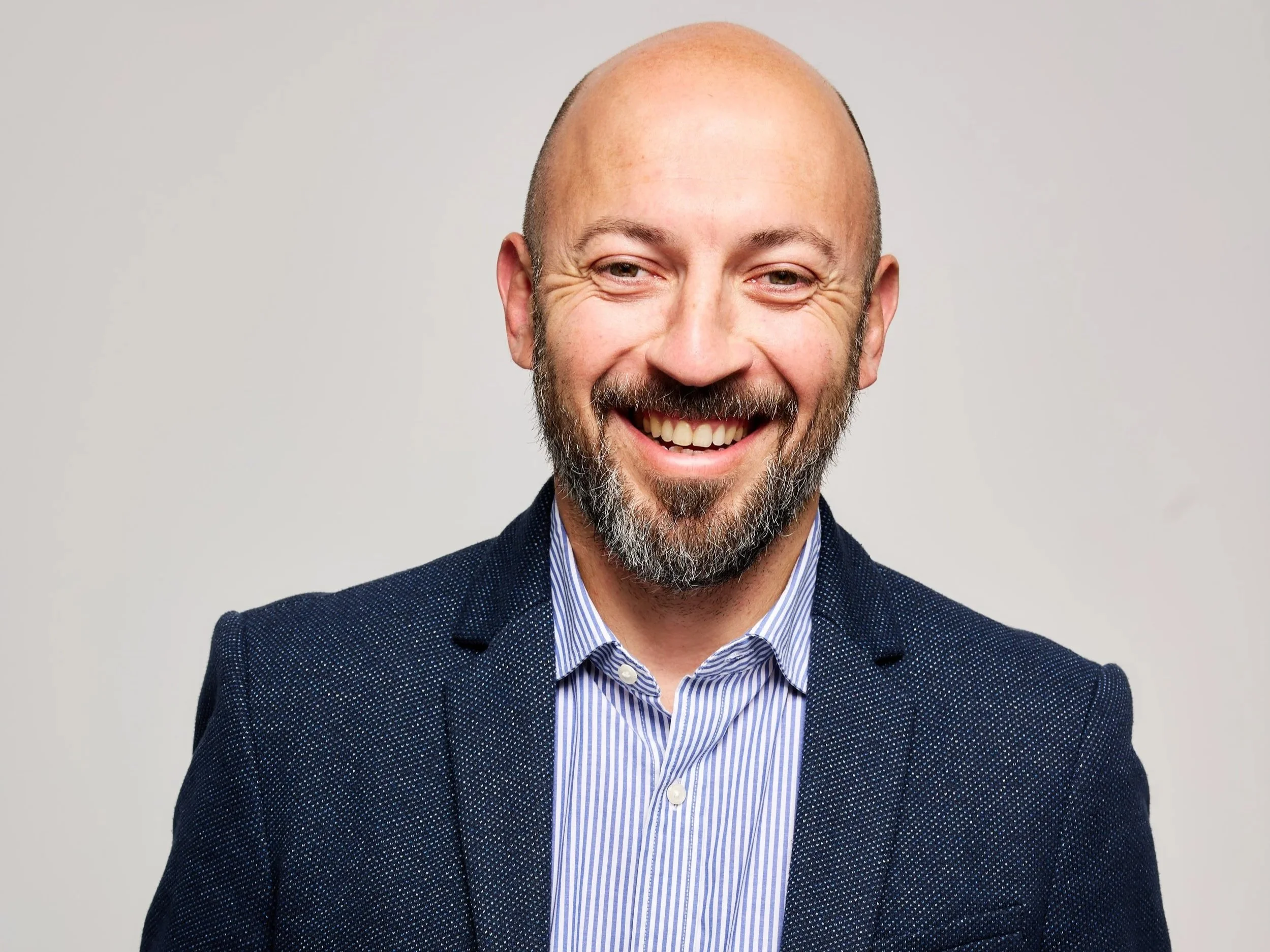







Finance can no longer be judged simply by how much business Malta attracts. FinanceMalta Chairman George Vella argues that the real test is whether capital can help build the industries, technologies and businesses that will drive the country’s next phase of growth.