


As wealthy families spread their businesses, investments and lives across borders, managing fortunes is becoming increasingly complicated. Paul Rostkowski argues that Malta's next big opportunity lies not simply in attracting international wealth, but in becoming a trusted European hub that connects the people, businesses, and advisers behind it.
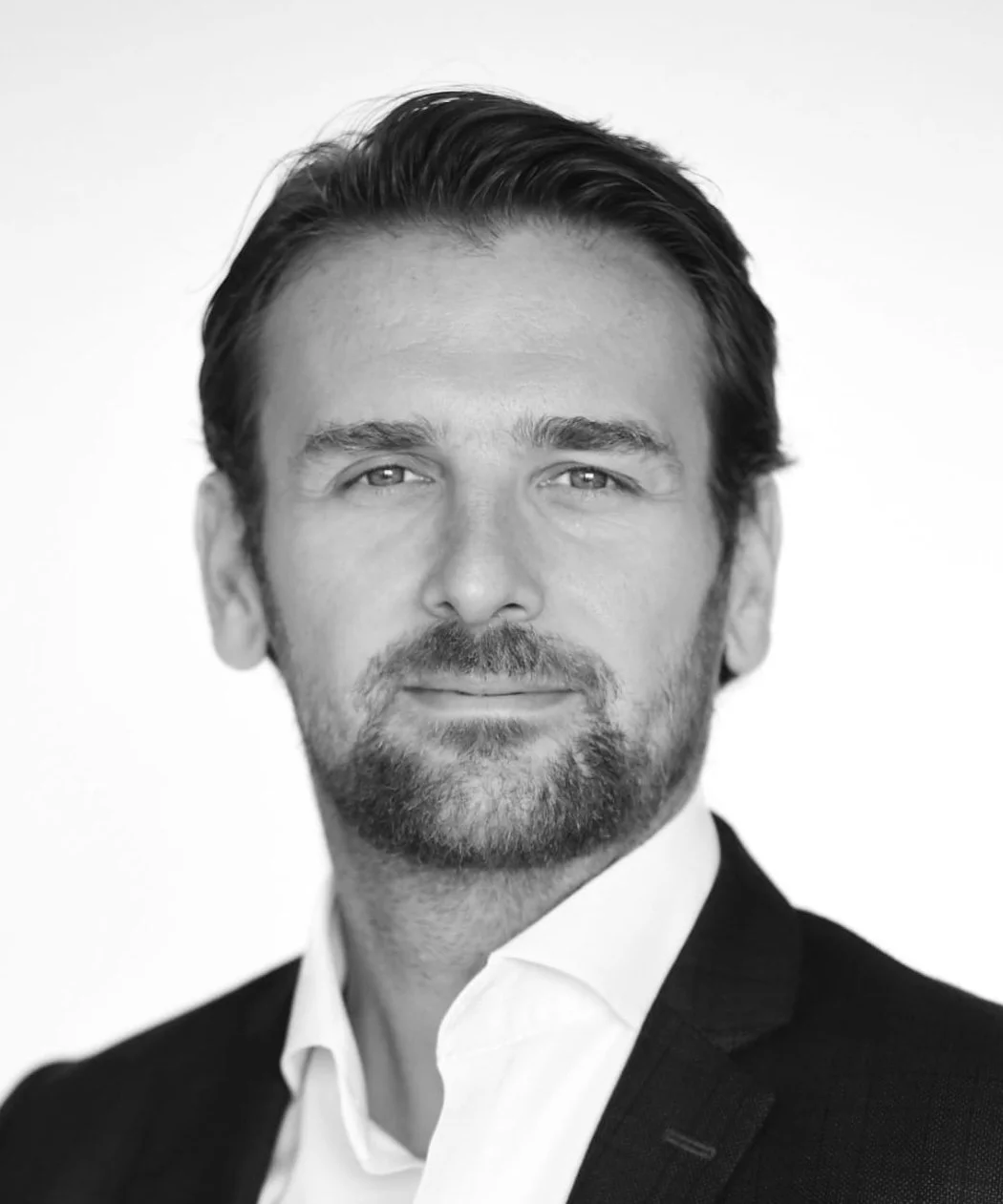
Paul is part of a multi- disciplinary advisory firm specialising in private clients, high-net-worth individuals, and family offices.
The way international wealth is managed is changing. Families are becoming increasingly mobile, businesses operate across borders, investments span multiple jurisdictions, and successive generations make different choices about where to live, work, and build their futures.
For many internationally wealthy families, managing their affairs is no longer simply a question of where to establish a company, hold investments or structure assets. It is about ensuring that their wealth, businesses, family members and long-term plans remain connected in an increasingly complex world.
This shift presents an important opportunity for Malta.
Over the years, Malta has established itself as a recognised jurisdiction for corporate structures, investment funds and international financial services. These remain important pillars of the economy. However, Malta's next phase of growth could come from looking beyond individual structures and positioning itself as a European hub supporting the broader needs of international families.
The opportunity is not simply to attract wealth to Malta, but to become part of the infrastructure that enables international wealth to function effectively across borders.
A changing definition of private wealth
Traditionally, international wealth planning has focused heavily on investment structures, taxation and asset protection. While these considerations remain relevant, internationally mobile families' priorities are becoming considerably broader.
Today, a family may own businesses in Germany, maintain investments in Switzerland, have children studying in the United Kingdom and spend part of the year in Dubai or Portugal.
Different family members may have different residency arrangements, professional interests and long-term objectives. Meanwhile, advisers across several jurisdictions are expected to coordinate legal, financial and investment matters.
The challenge is not necessarily a lack of professional advice. The challenge is ensuring the various elements work together.

Navigating international wealth has become a maze of jurisdictions, regulations and competing priorities
Who oversees the family's international investments? How are decisions coordinated between different advisers? What happens when the next generation assumes responsibility? How does a change in residency affect the family's wider arrangements?
Increasingly, families are looking for solutions that address these questions collectively rather than in isolation.
This creates an opportunity for financial centres that can combine corporate, fiduciary, investment, governance, and private client services with a broader understanding of international mobility.
Global mobility is becoming part of wealth planning
One development that deserves greater attention is the growing relationship between private wealth and international relocation.
For many entrepreneurs and internationally wealthy families, where they live is closely tied to where they invest, establish businesses, educate children, and plan for the future.
Relocation is rarely just about obtaining a residence permit or moving to another country. It can involve significant considerations relating to taxation, business ownership, succession, banking, education and family circumstances.
An entrepreneur relocating from one jurisdiction to another may need to reconsider how they manage existing companies, hold investments, and whether current arrangements remain appropriate.
Similarly, a family establishing a European base may need help with residency, property acquisition, corporate structuring, banking relationships, and long-term wealth planning.
These requirements are interconnected, yet advisers often address them independently.
Malta is well positioned to bring these services together.
Its EU membership, international business environment, English-speaking professional community and established residency pathways provide a foundation for supporting individuals and families considering a European presence.
However, the real opportunity extends beyond attracting residents.
Malta can position itself as a jurisdiction that supports the financial and practical infrastructure surrounding international mobility, whether or not a family ultimately chooses to relocate here.
This distinction is important. A family may establish residency in Portugal, maintain its principal business in the Middle East and still benefit from Malta-based corporate, investment or governance arrangements.
Malta's relevance should therefore not depend exclusively on attracting individuals to live on the island.
A complementary European hub
Another trend shaping international private wealth is jurisdictional diversification.
Families increasingly recognise that concentrating all their assets, governance arrangements, and operational activities in one jurisdiction may not always provide the flexibility they need.
Just as investment portfolios are diversified, families are considering how different jurisdictions can serve complementary purposes within their wider affairs.

For internationally mobile families, the challenge is connecting wealth, businesses and advisers across multiple jurisdictions
A family office headquartered in London, Geneva or Dubai may have no intention of relocating its principal operations. However, it may benefit from an EU-based platform to coordinate European investments, hold business interests or support governance and succession planning.
Malta need not compete to replace established international wealth centres.
Instead, it can develop a complementary role within a family's existing international arrangements.
This approach creates opportunities for Maltese professionals to work alongside foreign lawyers, tax advisers, wealth managers and family offices, providing services where Malta offers practical value.
Rather than competing for ownership of the entire client relationship, the objective should be to become a trusted and reliable part of the international advisory network.
From individual structures to coordinated services
Malta already possesses many of the capabilities required to develop this proposition.
Its financial services industry includes corporate and tax advisers, fiduciaries, fund administrators, investment professionals and other specialist service providers.
Its relatively compact professional community can also facilitate direct access to experienced advisers and more efficient communication between service providers.
These advantages matter, particularly for families accustomed to navigating multiple institutions and jurisdictions.
However, the next step is to bring these capabilities together more effectively.
Malta's Single Family Office framework is a relevant development. It reflects a broader recognition that a family office is not simply a legal structure, but an operating model designed around a family's objectives.
A family may require arrangements for long-term asset preservation, an investment platform, governance procedures, consolidated reporting and succession planning. Other families may need additional support for international relocation, residency, or managing cross-border business interests.
The objective should not be to create more complexity. The objective should be to ensure the different components operate coherently.
Ultimately, families are unlikely to judge a jurisdiction solely by its legislation or available structures. They will judge it by how well their advisers communicate, how efficiently decisions are implemented, and whether their arrangements continue to serve their needs as circumstances change.
Turning potential into a competitive advantage
Malta can differentiate itself, but doing so will require more than promoting existing frameworks.
First, the industry must continue investing in technical expertise and professionals who understand the increasingly interconnected nature of international private wealth.
Second, service providers must collaborate more deliberately. Families need coordinated solutions, not a collection of individual services.
Third, regulatory credibility, predictability and consistency remain essential. International families making long-term decisions value confidence and stability.
Finally, Malta must continue strengthening its international relationships. Partnerships with overseas professional advisers, family offices and institutions will be critical to developing a sustainable international private wealth proposition.
This also requires recognising that global mobility is not simply a residency business. It is an opportunity to develop longer-term relationships with entrepreneurs and families whose financial, commercial and personal circumstances will continue to evolve.
Looking ahead
Malta does not need to become Europe's largest private wealth centre to establish a meaningful position in this market.
Its opportunity lies in becoming an accessible, credible, and well-connected jurisdiction that can support internationally mobile families at different stages of their lives.
That means looking beyond establishing companies, funds, or residency arrangements and focusing instead on the broader relationships and ongoing services international families require.
The next generation of private wealth clients will increasingly value jurisdictions that can connect their businesses, investments, governance arrangements and mobility needs across borders.
For Malta, the next chapter of financial services growth may therefore be less about where international wealth is held, or even where wealthy families choose to live, and more about how effectively Malta can support and coordinate their wealth, businesses, and international lives.
That is where Malta can build a lasting competitive advantage.










Manuel Delia examines what happens when commercial opportunity collides with corruption, reputation and conscience, and asks whether Malta’s business environment makes doing the right thing unnecessarily expensive.