

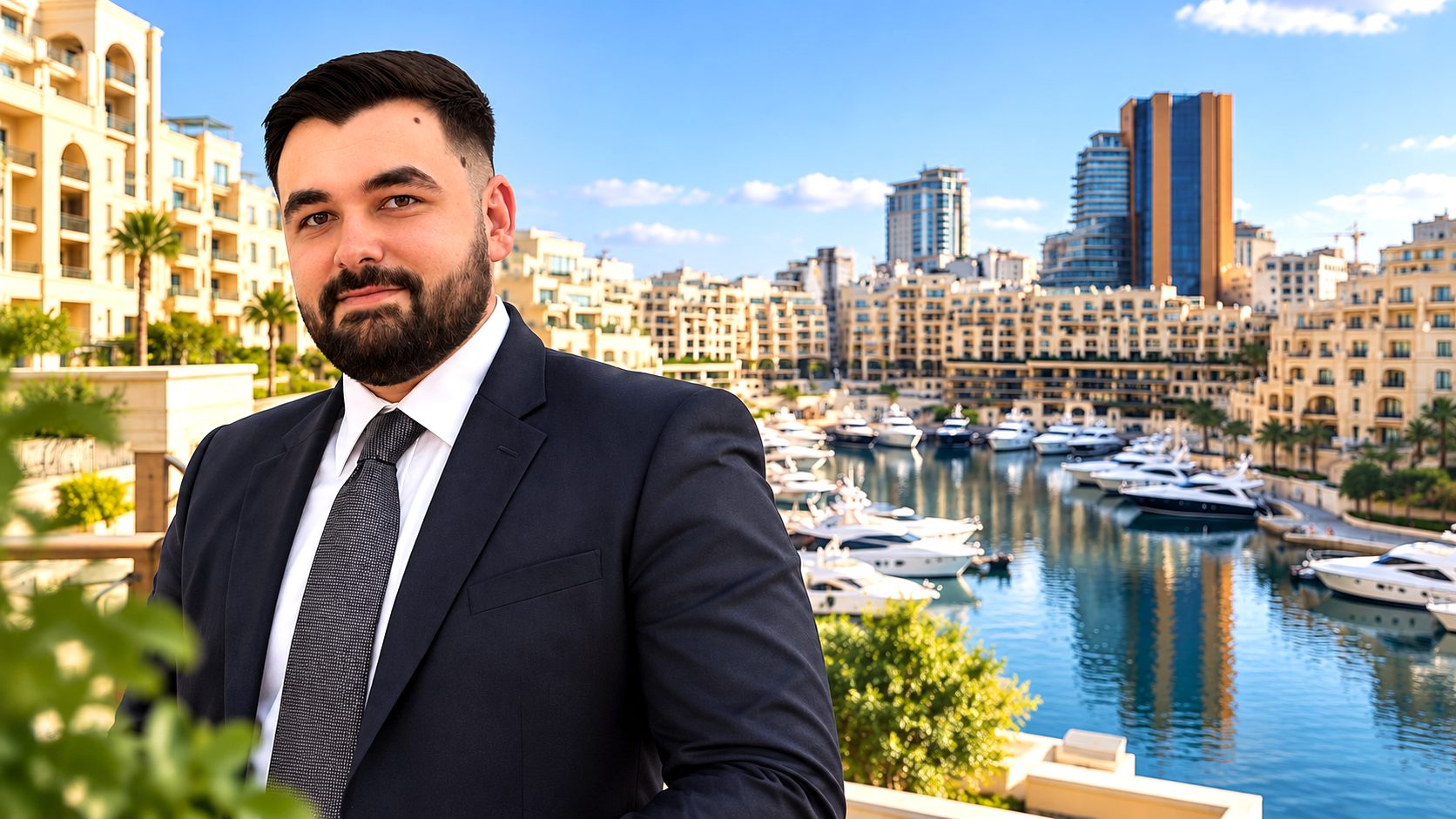
Location, rental yields, or capital appreciation alone don't determine a property’s value. Behind every successful real estate investment lies a less visible world of contracts, compliance, maintenance and tenant relationships. Neil Scicluna Debono, real estate administrator at Tumas Group, explains how a finance-driven approach to property management helps protect assets, minimise risk and preserve long-term value across the Group’s extensive portfolio.
You moved from Assistant Financial Controller to Real Estate Administrator within Tumas Group. How has your financial background shaped your approach to property administration, particularly in protecting the value of the Group’s real estate assets?
I have been with Tumas Group for the past eight years, starting as an accounts clerk and progressing through the roles of Finance Assistant, Accounts Executive, and Assistant Financial Controller. This journey has given me a solid financial background and a good understanding of the Group’s operations. Moving into the property division is an opportunity to apply my experience in a different area of the business.
My background in the finance department has shaped how I approach property administration; I see properties not just as buildings, but as valuable assets that need to be managed and protected. I believe strong financial controls, timely maintenance, and a proactive approach preserve an asset's long-term value.
Property transactions tend to attract attention when deals are signed, but much of the critical work happens behind the scenes. What does it actually take to bring a property sale or lease to completion, and where can seemingly minor administrative oversights become costly mistakes?
Completing a property sale or lease requires preparation, attention to detail, and clear communication. My role is to ensure all required documentation is prepared before the agreement is signed and that it accurately reflects everything agreed during negotiations between the property owner and the tenant or potential buyer. This includes ensuring all terms are clearly worded so both parties fully understand their respective rights, obligations, and responsibilities, leaving as little room as possible for misinterpretation.
Small Administrative mistakes, such as an incorrect clause, missing annex, or inaccurate detail, can lead to misunderstandings, delays, and, in some cases, costly legal fees. That is why I consider accuracy and attention to detail essential.
A signed lease is only the beginning of a commercial relationship. What does managing that agreement over its lifetime involve, and how can effective lease administration influence a property's long-term financial performance?
Managing a lease throughout its lifetime involves more than simply ensuring the agreement’s terms are followed. It requires ongoing monitoring of rental payments, tracking key dates and obligations, promptly addressing issues, and keeping the property well maintained.
For me, one of the biggest pillars of effective lease management is maintaining a good relationship with the tenant. With mutual respect and open communication, both parties can work together successfully over the long term. This leads to longer tenancies, fewer disputes and stability for both the property owner and the tenant.
From a financial perspective, effective lease administration helps ensure consistent rental income, reduce unnecessary costs, and minimise vacancy risk. Sometimes upgrading or refurbishing a property is a better financial decision than risking tenant loss. Over time, a tenant’s needs may change, and adapting the premises to meet those needs can improve the overall experience and encourage the tenant to remain in the property.
With a substantial portfolio of commercial and residential properties, compliance is an ongoing responsibility. How do you navigate contractual obligations, permits and licensing requirements, particularly in sectors such as catering, where regulatory demands can be complex?
Managing compliance across a complex like Portomaso means balancing the expectations and requirements of over 500 residential properties with the specific regulatory obligations of catering establishments.
My approach is to stay organised, ensure contractual obligations and licensing requirements are consistently followed up, and maintain open communication with the relevant parties. I work closely with governmental entities such as the Malta Tourism Authority, where we discuss the challenges and issues we encounter and work together to find practical solutions. Maintaining a strong working relationship with these authorities is essential, as it helps us address issues more effectively and ultimately ensure requirements are met.
Ultimately, compliance requires continuous attention, good coordination and a proactive approach. Although managing such a diverse portfolio can be demanding, I believe that working collaboratively with the relevant authorities and internally with the common area administrator and our repairs and maintenance team helps us address challenges effectively and ensure that our properties operate in line with applicable regulations.
Property management ultimately involves people as much as contracts. How do you balance protecting the Group’s commercial interests with maintaining positive tenant and resident relationships, especially when disputes or unexpected issues arise?
Property management requires balancing tenants' needs with the Group's commercial interests. When disputes and issues arise, it is important to understand the tenant’s perspective and the operational challenges they may face, while keeping the Group's obligations and interests in mind.
Finding the middle ground is not always easy, as both parties may have different priorities; however, I believe open communication and a willingness to listen are essential to reaching a solution. Maintaining a positive relationship does not mean compromising the Group’s interests; it means finding solutions that let both parties move forward while preserving a professional, long-term relationship.
Real estate is often judged by location, rental yields and capital appreciation, while the administrative work receives little recognition. An asset’s long-term success depends on what happens behind the scenes, and what do you think property owners and investors tend to underestimate about this side of the business?
Location, rental yields and capital appreciation are undoubtedly important factors in real estate. Still, I believe maintaining a property's standard is just as essential to its long-term success.
Behind every successful property is a considerable amount of administrative work, coordination, and ongoing maintenance that often goes unnoticed. Proper maintenance, prompt issue resolution, and attention to detail help preserve value over time.
You could have a property in the best location, but without adequate maintenance and upkeep, it will gradually lose its appeal to tenants and potential investors. Protecting a property's value isn't just about the initial investment or its location; it is about consistent care that keeps it attractive, competitive, and valuable over the long term.