

Skipper’s watchlist: The personalities shaping 2026
Somewhere between Porto Cervo and Palma, between the dockside restaurants of Saint-Tropez and the race villages of Barcelona, Mediterranean boating culture is quietly reinventing itself. The industry is becoming younger, sharper, more visible and more commercially sophisticated. The people driving that transformation are no longer simply sailors or yacht builders. They are cultural figures shaping how modern yachting looks, feels and behaves in Summer 2026.
The Mediterranean’s new power circle
The old image of Mediterranean yachting still exists, of course. Monaco remains a polished theatre. Capri still thrives on spectacle. Cannes still operates as the industry’s annual catwalk disguised as a boat show.
But beneath the familiar glamour, the culture itself is changing.
Today’s boating world is increasingly shaped by visibility, crossover luxury culture, sustainability pressure, media literacy and experience-led lifestyles. Owners are younger. Racing teams behave like luxury brands. Marina developments resemble hospitality ecosystems. Sailors are becoming personalities.
And the people influencing that shift are no longer operating quietly behind the scenes.
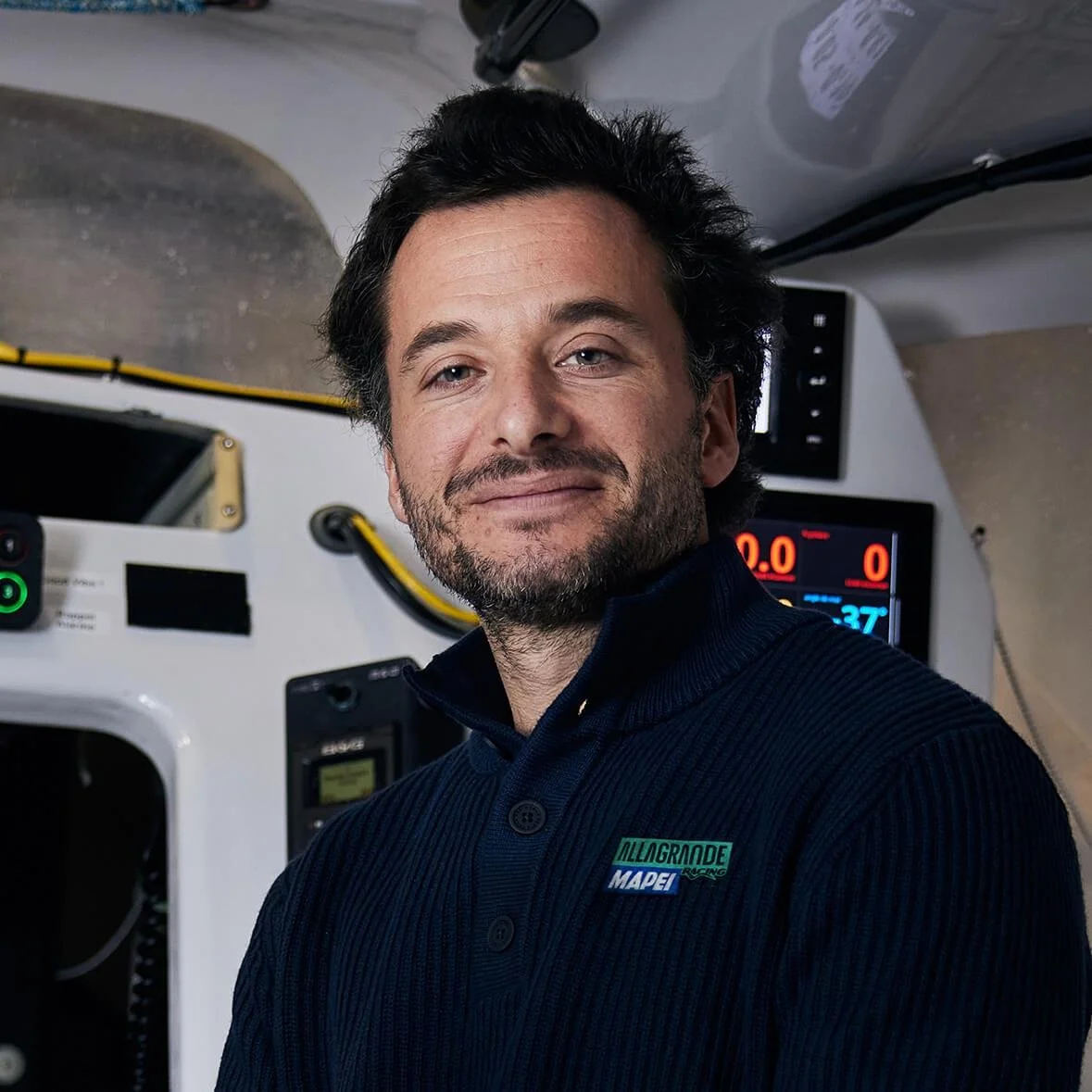
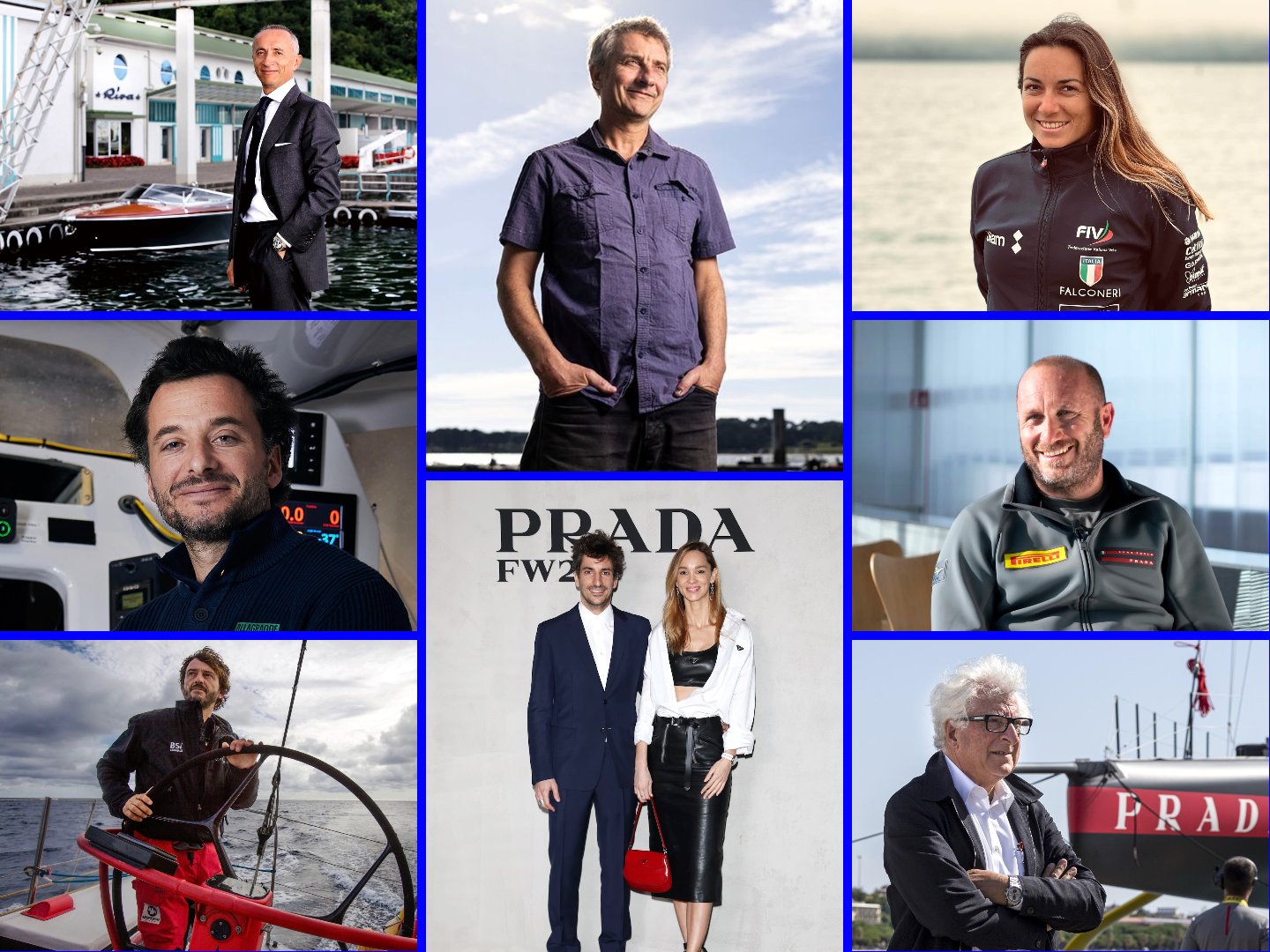
Ambrogio Beccaria
Few names currently feel more aligned with sailing’s future than Ambrogio Beccaria.
The Italian offshore racer has become emblematic of a new Mediterranean sailing identity — intensely competitive but socially relatable, technically respected without carrying the old elitist image that once dominated the sport.
Around regattas stretching from Palermo to Saint-Malo, Beccaria’s rise has attracted growing attention because he reflects something younger audiences increasingly want from sailing: authenticity.
He looks less like a traditional yacht club product and more like a modern endurance athlete navigating a globally connected lifestyle culture.
That distinction matters.
As brands search for personalities capable of bridging sport, travel, sustainability and media appeal, sailors like Beccaria suddenly become commercially valuable far beyond racing itself.
“The new Mediterranean sailing star is no longer defined purely by trophies, but by relevance.”
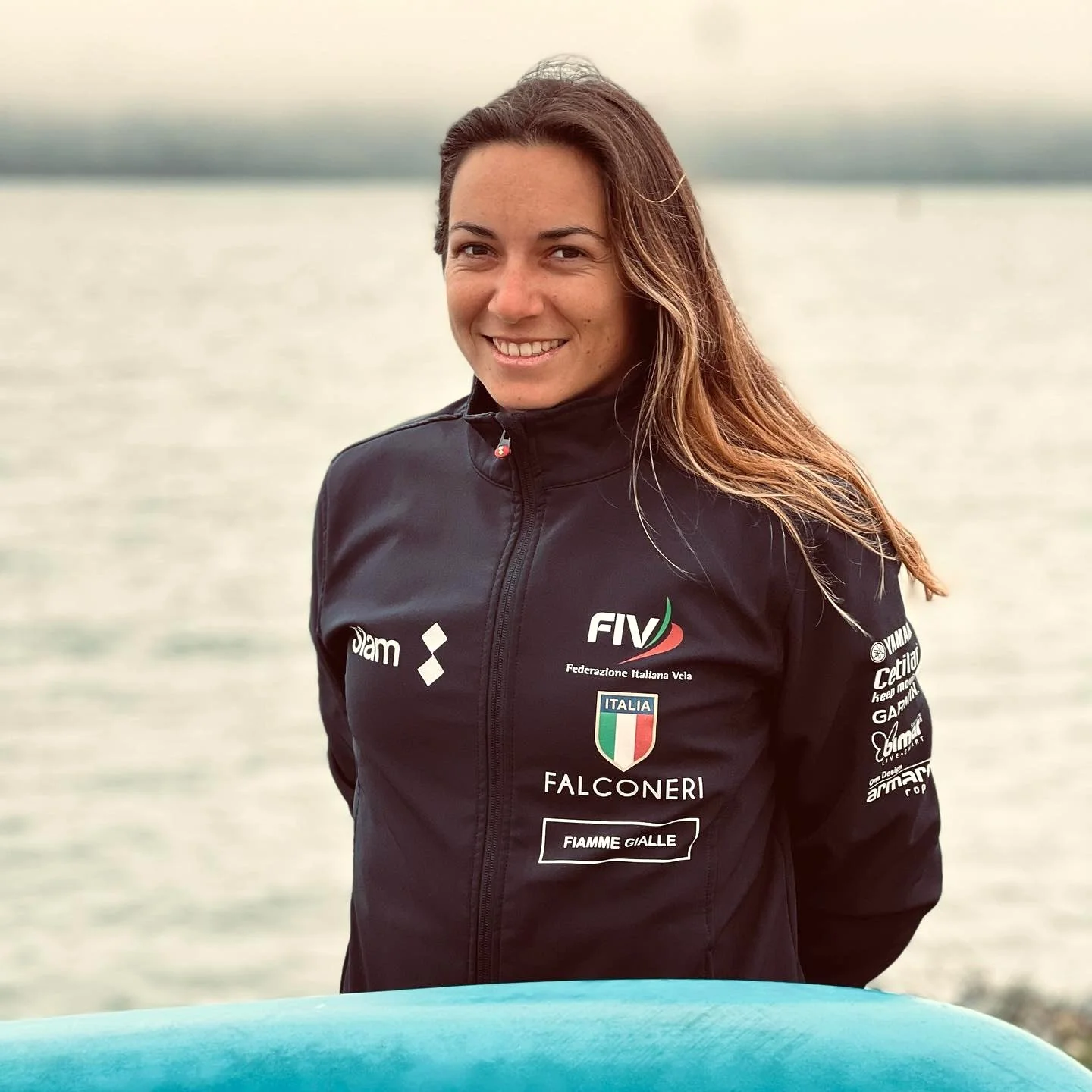
Marta Maggetti
If Mediterranean sailing has historically struggled to reach audiences beyond its core, Marta Maggetti represents part of the solution.
The Italian Olympic sailor belongs to a generation of athletes increasingly comfortable operating both competitively and publicly. Technically respected within elite sailing circles, she also understands modern visibility in ways many older sailors never needed to.
That duality matters enormously in 2026.
Sponsors now expect athletes to carry narratives, audiences and identity alongside results. Sailing, once deeply resistant to personality-driven storytelling, is slowly adapting to the reality that visibility drives investment.
Maggetti’s growing profile reflects a broader evolution in Mediterranean sailing culture — particularly in women becoming more visible within elite competition rather than simply adjacent to it.
And across yacht clubs from Naples to Palma, that shift is beginning to feel structural rather than symbolic.
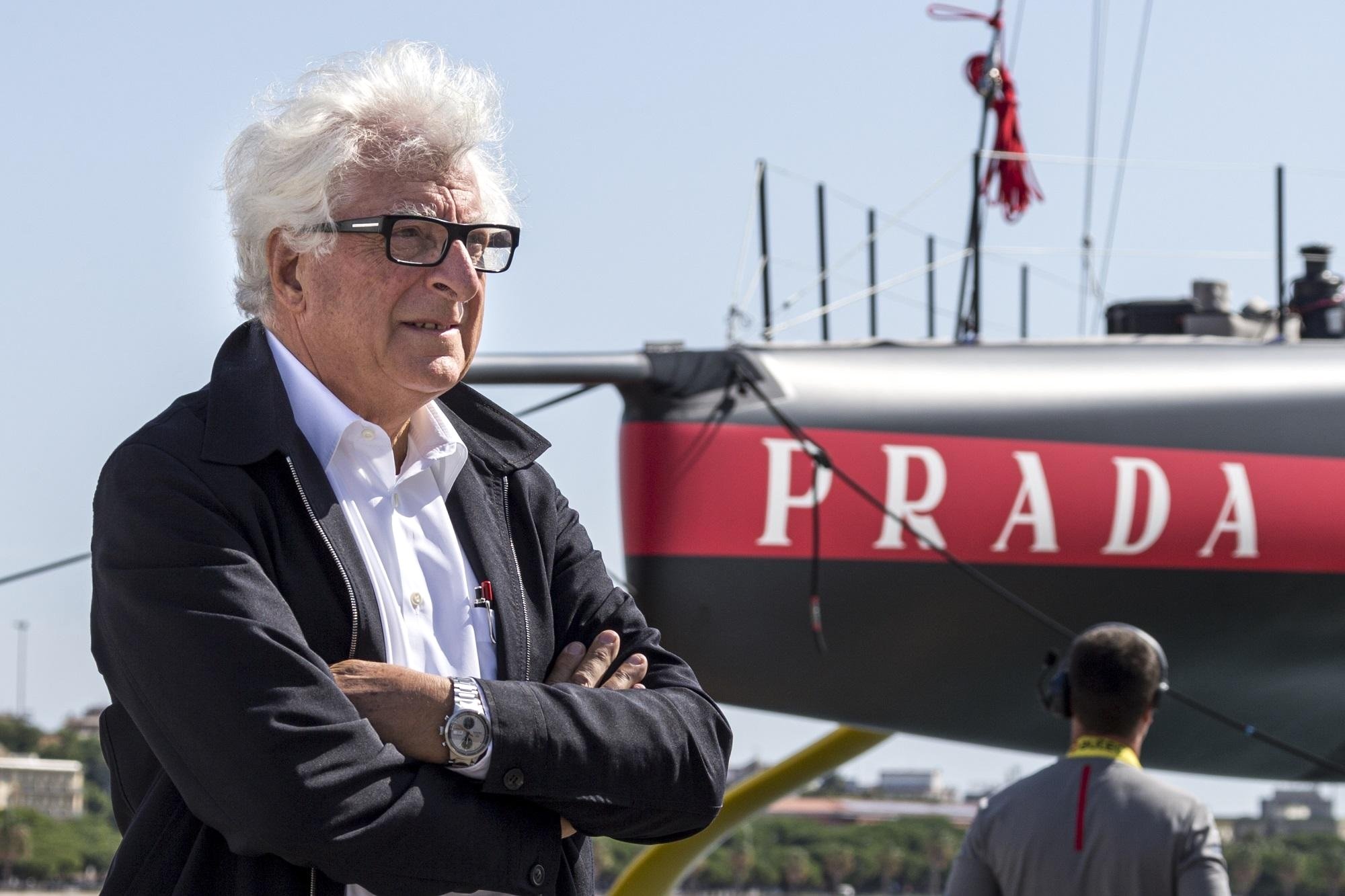
Patrizio Bertelli
Few individuals have influenced modern Mediterranean sailing culture more profoundly than Patrizio Bertelli.
What Luna Rossa achieved under his vision extends far beyond America’s Cup competition. The team helped reposition elite sailing as something visually sophisticated, culturally aspirational and globally marketable.
Before Luna Rossa, much of professional sailing still looked trapped between tradition and corporate sponsorship. Afterwards, the sport became sharper, cleaner and unmistakably more luxurious in presentation.
Today, that influence can be seen everywhere — from marina fashion culture in Porto Cervo to the branding strategies surrounding modern regattas in Barcelona and Palma.
Bertelli understood earlier than most that sailing was no longer simply competing against other sports.
It was competing for cultural attention.
And in Summer 2026, cultural relevance may be the boating industry’s most valuable currency.
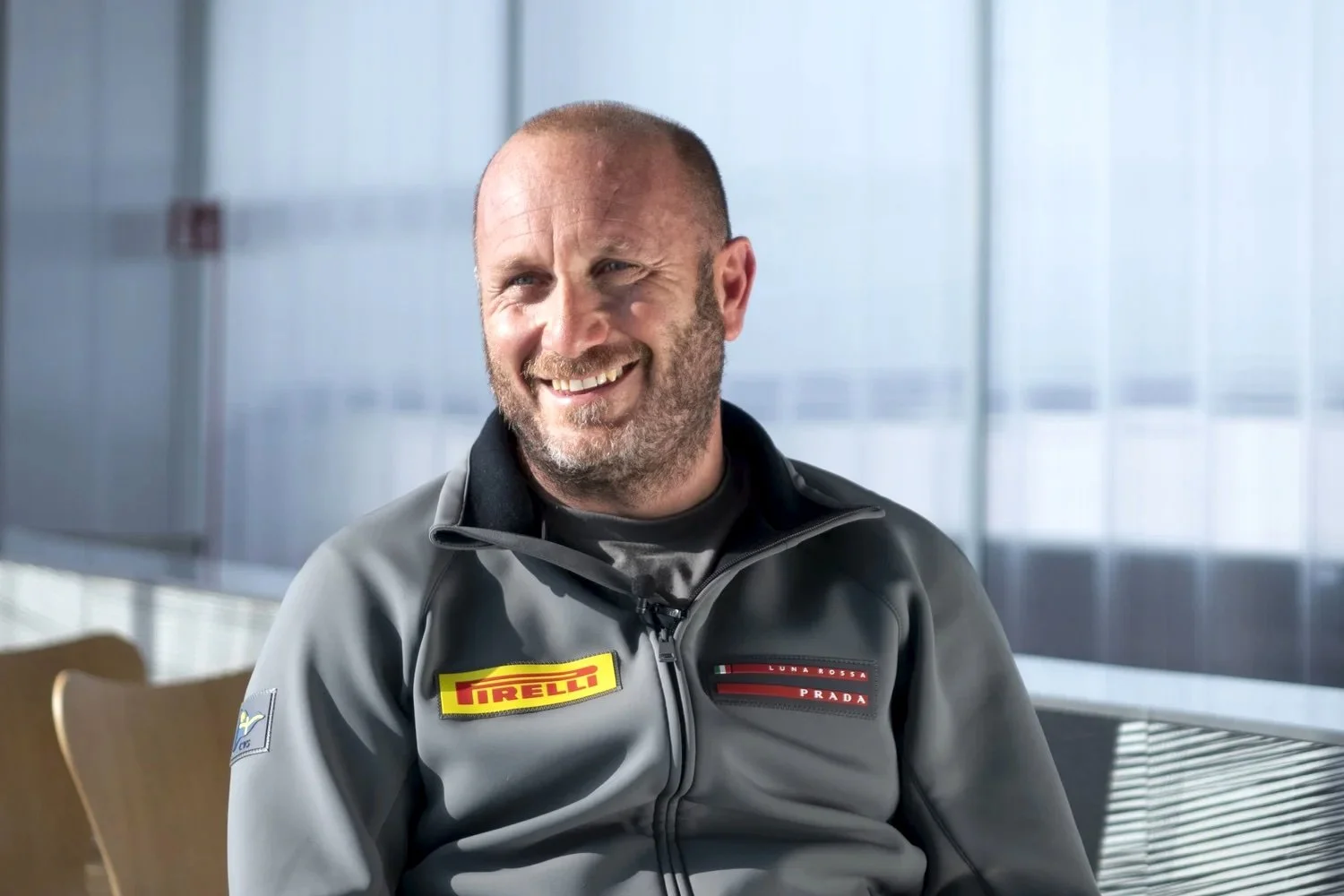
Max Sirena
If Bertelli built the vision, Max Sirena became the face capable of translating it into modern sailing mythology.
There are technically brilliant sailors, and then there are figures who define an era’s atmosphere. Sirena increasingly belongs in the latter category.
Under his leadership, Luna Rossa evolved into something that feels far bigger than a racing team. Around Mediterranean marinas, the brand now operates somewhere between elite sport, Italian design statement and luxury lifestyle symbol.
Few people currently sit more comfortably at the intersection of racing credibility and contemporary Mediterranean image culture.
And importantly, Sirena understands the psychology of modern visibility. In a social-media-driven era where perception increasingly shapes sponsorship, investment and audience engagement, he represents a version of sailing leadership that feels current rather than institutional.
That is rarer than many inside the industry realise.
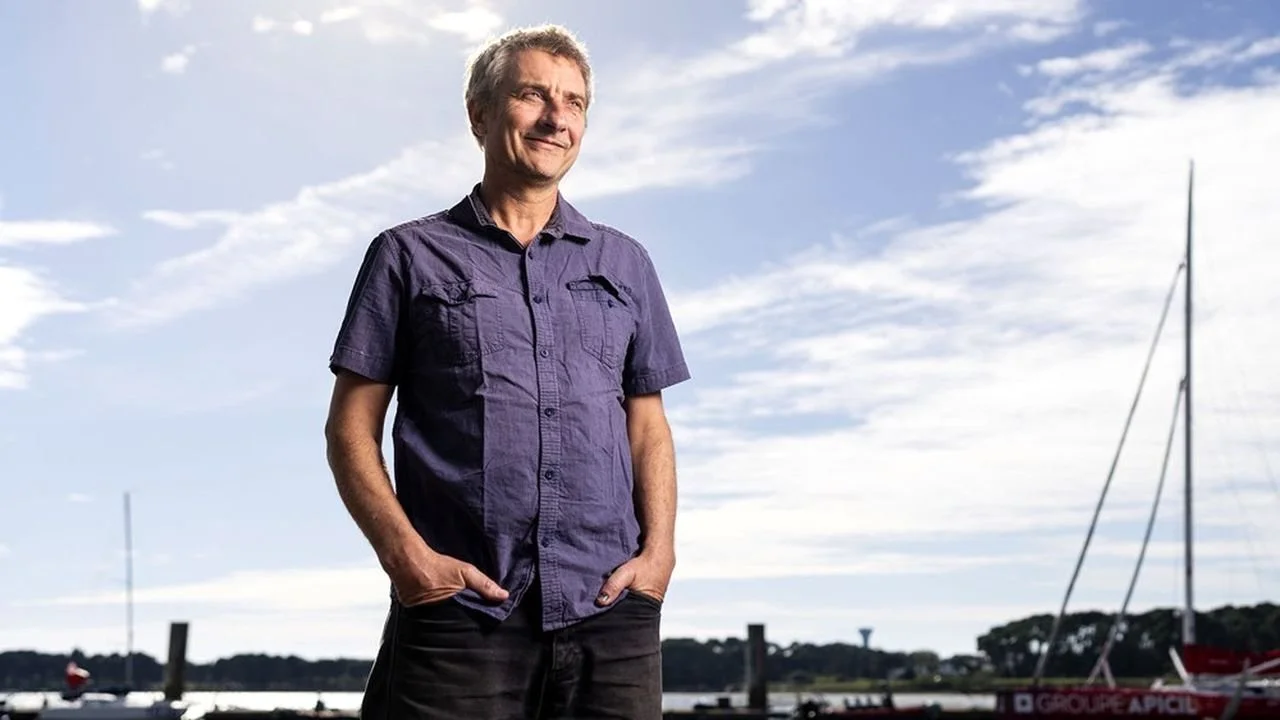
Guillaume Verdier
Among serious yacht designers and racing insiders, Guillaume Verdier commands a level of respect bordering on reverence.
Yet his importance in 2026 extends beyond performance alone.
Verdier’s influence increasingly reflects where the wider yachting industry is heading: lighter, smarter, more efficient and more technically intelligent. As environmental scrutiny around Mediterranean boating intensifies, particularly around overcrowded destinations like Capri, Ibiza and the Côte d’Azur, the conversation around yacht design is changing rapidly.
Efficiency is no longer simply engineering language. It has become a cultural language too.
The smartest shipyards understand that sustainability messaging without meaningful technical innovation now feels hollow to sophisticated buyers.
Verdier matters because his work represents a genuine advancement rather than a superficial repositioning.
And in today’s Mediterranean market, audiences are increasingly able to spot the difference.
“Modern yacht design is shifting from spectacle towards intelligence.”
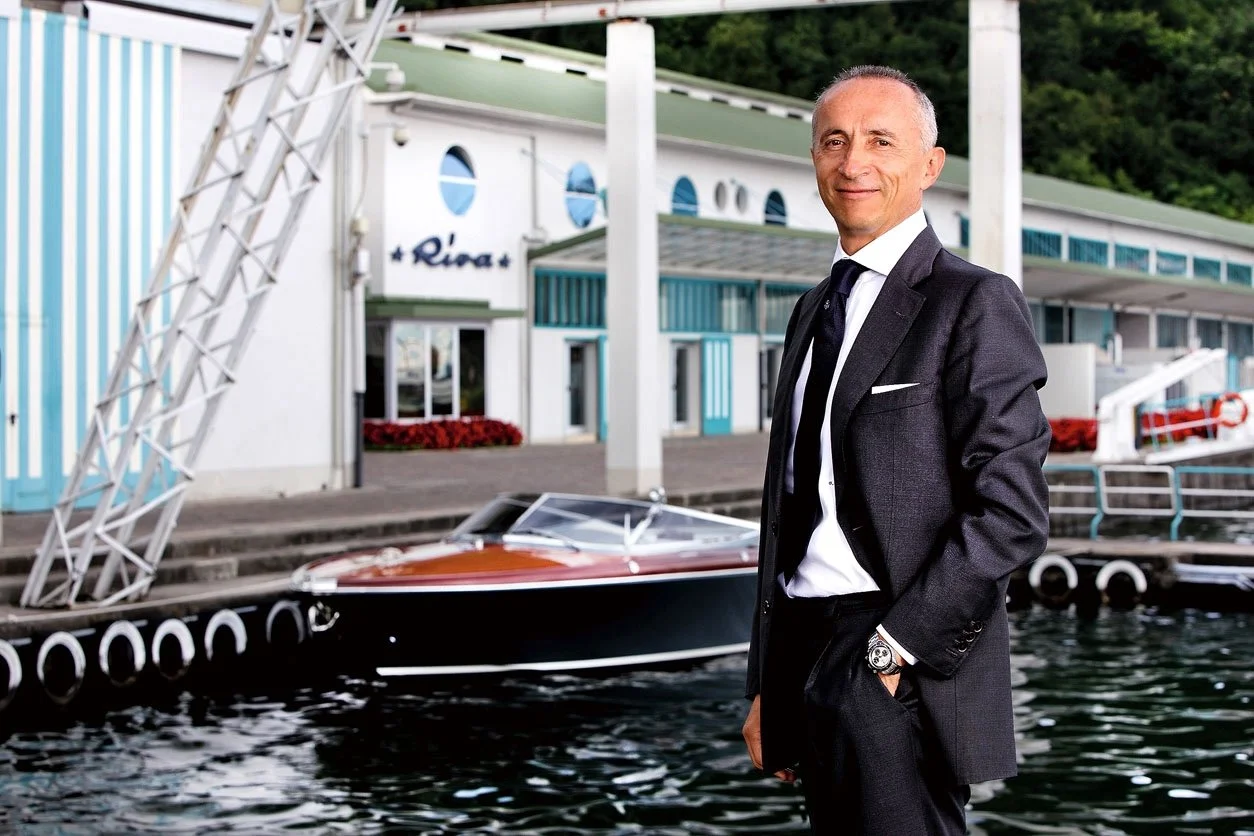
Alberto Galassi
There may be no more influential commercial figure in Mediterranean yachting right now than Alberto Galassi.
Under his leadership, Ferretti Group has mastered something many legacy brands still struggle to balance: preserving prestige while adapting to a younger, more international luxury audience.
The modern yacht owner increasingly wants flexibility over formality, experience over ceremony and lifestyle integration over rigid status signalling. Ferretti’s recent positioning reflects a sharp understanding of that reality.
Across Monaco, Cannes and Athens, the company’s visibility now extends beyond boating circles into wider luxury culture itself.
And that matters because yachting is no longer operating inside an isolated ecosystem.
It now competes within the same aspirational economy as luxury hospitality, fashion, architecture and high-end travel.
Galassi appears to understand this more clearly than most.
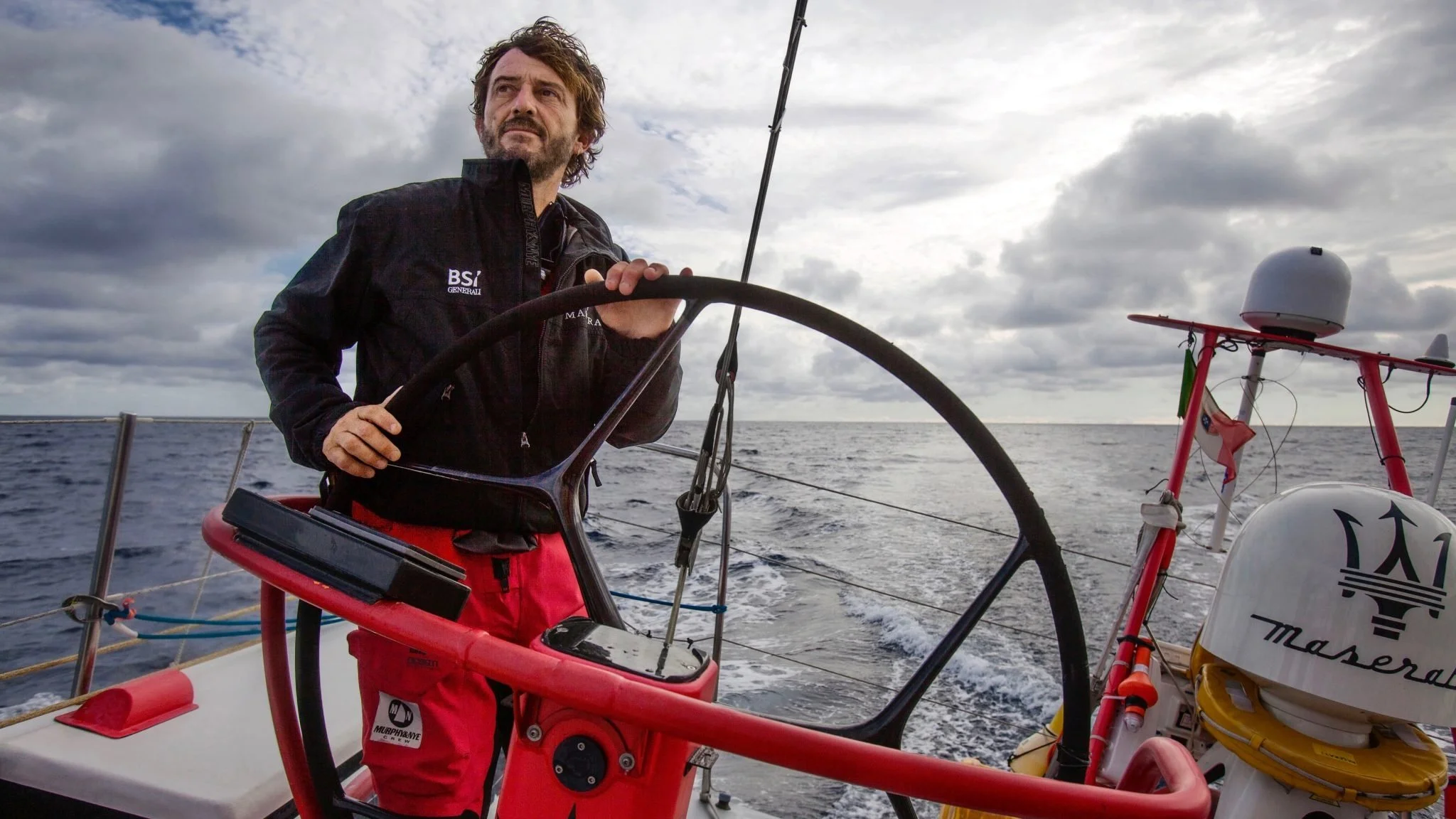
Giovanni Soldini
In an industry often criticised for excess, Giovanni Soldini remains one of the rare figures whose credibility feels almost untouchable.
Part sailor, part innovator, part philosophical counterweight to modern boating spectacle, Soldini continues to command respect because his authority comes from experience rather than image management.
What makes him especially relevant now is his ability to bridge traditional seamanship with future-facing marine innovation. Sustainability conversations in Mediterranean yachting are becoming unavoidable, but they often risk collapsing into marketing-speak.
Soldini gives those discussions substance.
His long-standing focus on intelligent navigation, efficiency and technological experimentation increasingly feels aligned with where serious yacht design and offshore sailing are heading.
For many younger sailors entering the sport today, he represents something increasingly valuable: authenticity without nostalgia.

Lorenzo Bertelli
If Summer 2026 has a defining theme, it may be the collapse of traditional boundaries around boating culture.
Fashion now influences marina identity. Hospitality shapes waterfront development. Social media impacts yacht desirability. Luxury branding increasingly dictates the visual language of elite sailing itself.
Few figures represent that convergence more clearly than Lorenzo Bertelli.
As Prada deepens its involvement within competitive sailing and luxury sporting culture, Bertelli has become symbolic of a younger Mediterranean power structure — globally connected, image-aware and culturally fluent.
Traditionalists sometimes dismiss this crossover between fashion and sailing as superficial branding.
They are misunderstanding the shift entirely.
Younger audiences increasingly discover boating culture through aesthetics, events, apparel, hospitality and digital storytelling long before they ever charter a yacht or enter a marina.
The boating world is no longer simply selling access to the sea.
It is selling identity.
“Today’s marina culture operates as much through aspiration and visibility as through nautical tradition.”
A different Mediterranean future
The most revealing thing about Summer 2026 is not necessarily the yachts themselves.
It is the changing psychology surrounding them. The Mediterranean boating culture is becoming more public, more lifestyle-oriented, and far more culturally interconnected than previous generations ever imagined. The marina is evolving into a hybrid social ecosystem where racing prestige, luxury branding, hospitality, architecture, sustainability and digital visibility increasingly collide.
Some veterans see over-commercialisation. Others see evolution.
Both are probably right.
But whether in Monaco, Malta, Barcelona, Porto Cervo or along the Croatian coast, one reality now feels undeniable: the future influence of Mediterranean yachting will belong not only to those who build or own yachts, but to those capable of shaping the culture around them.

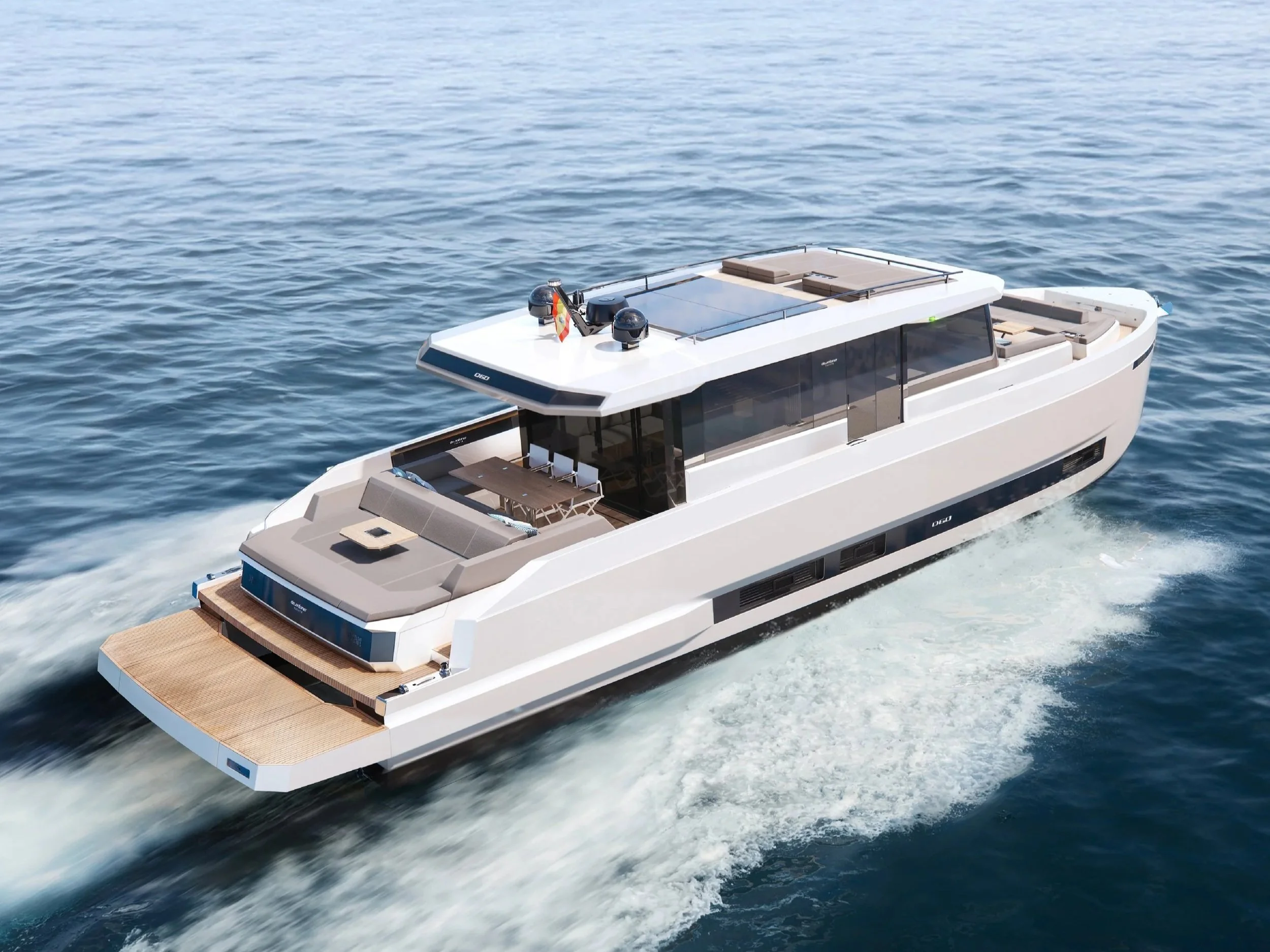


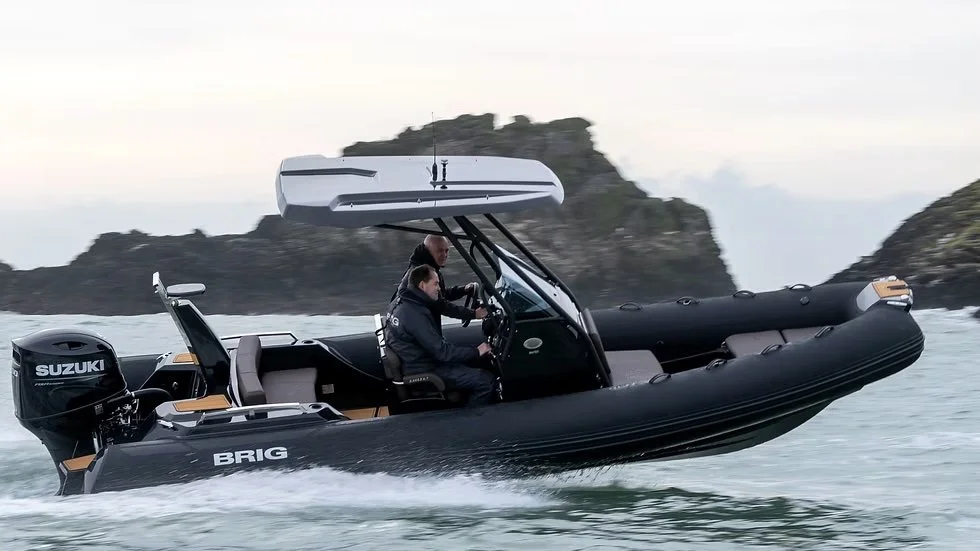
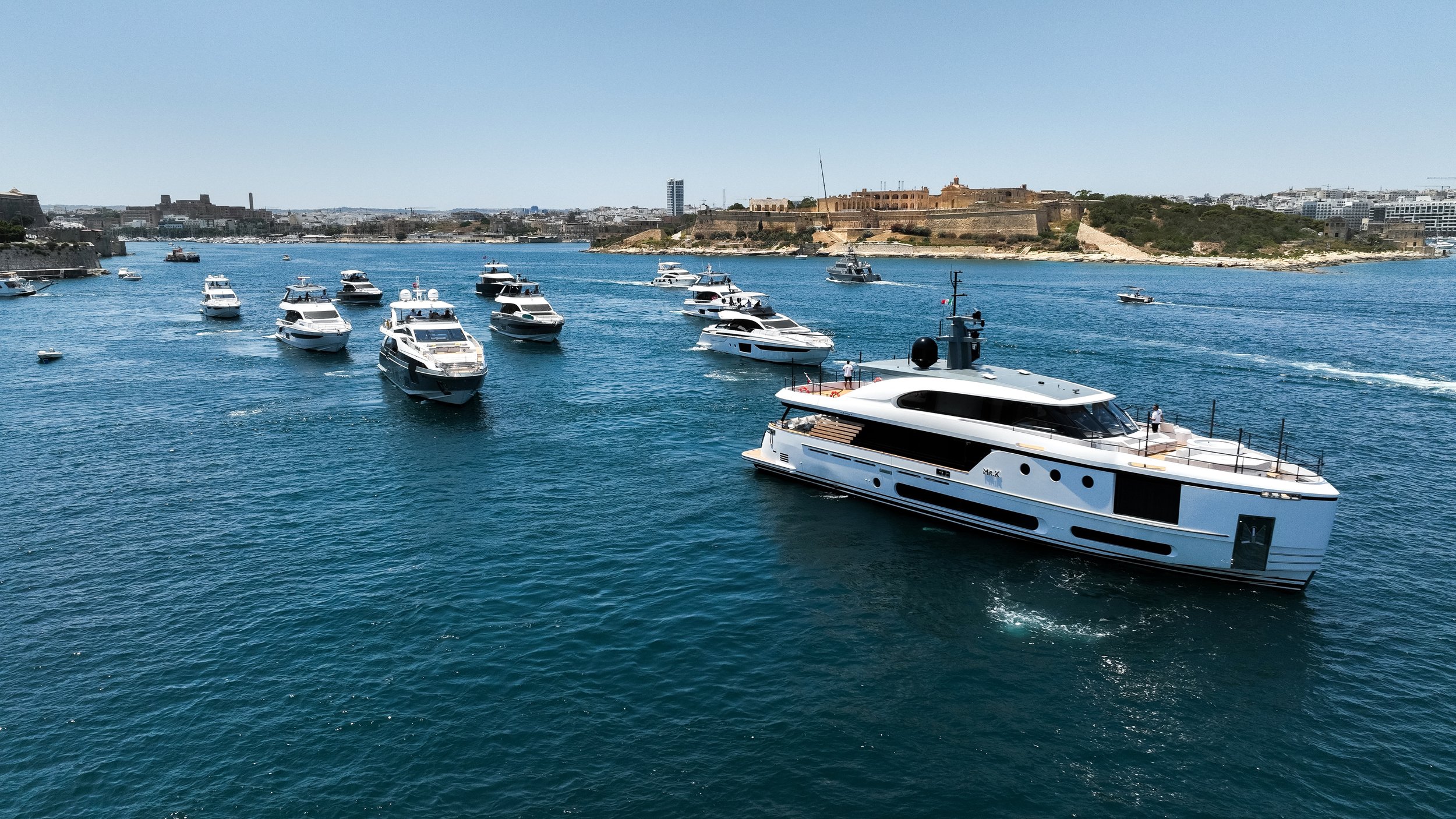


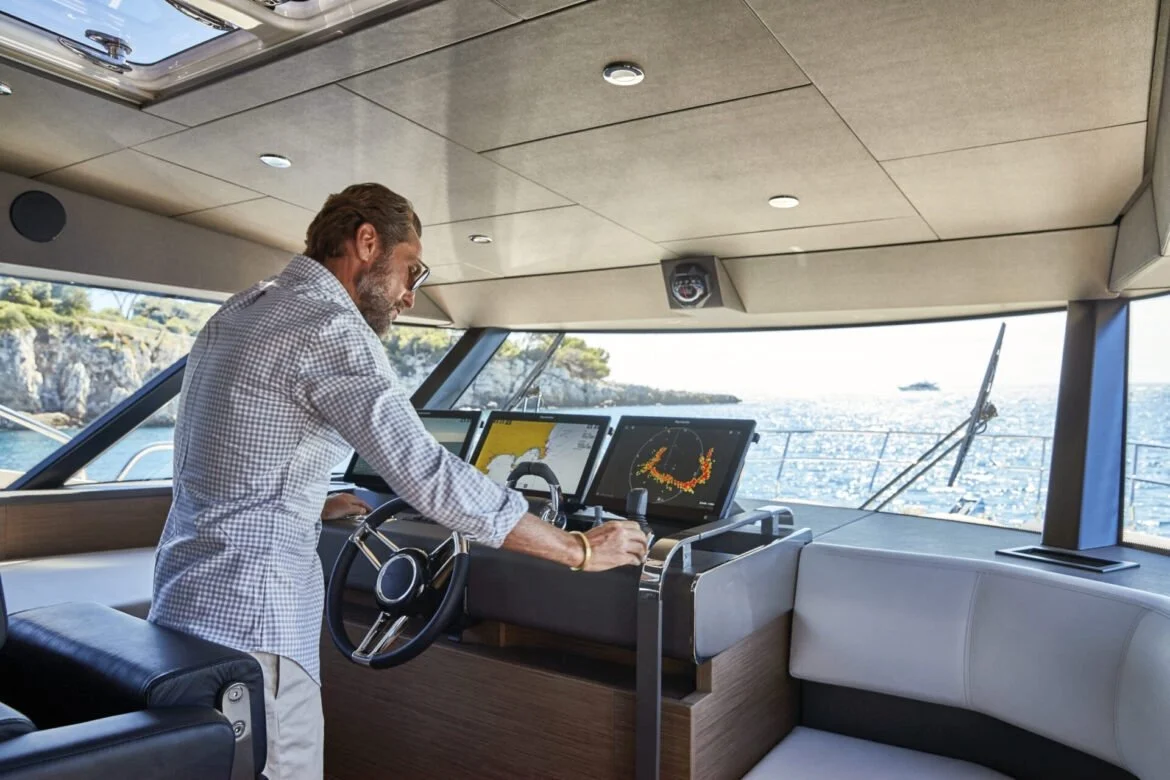



As the Mediterranean season reaches peak summer mode, the focus of the yachting world now shifts towards the industry's biggest late-season showcases. From Cannes to Monaco, the coming months will unveil the yachts, design trends and lifestyle concepts set to define the future of luxury boating.