

The summer drift
From Sicily and the Aeolian Islands to quieter Cycladic anchorages and the evolving Adriatic, Mediterranean boating culture is shifting. Summer 2026 is less about chasing overcrowded hotspots and more about intelligent routes, slower luxury, and destinations that still feel genuinely connected to the sea.
At around 6.30pm in Porto Cervo, the temperature finally begins to ease. Dockhands move with increasing urgency as another 50-metre yacht edges stern-first into the marina while guests gather along the promenade holding oversized sunglasses, linen shirts and impossibly cold spritzes. Across the Mediterranean, the same ritual is unfolding in different forms — in Valletta’s Grand Harbour, on the terraces of Hvar, beneath the cliffs of Capri, inside hidden bays off Bodrum, and along Sicily’s increasingly magnetic coastline.
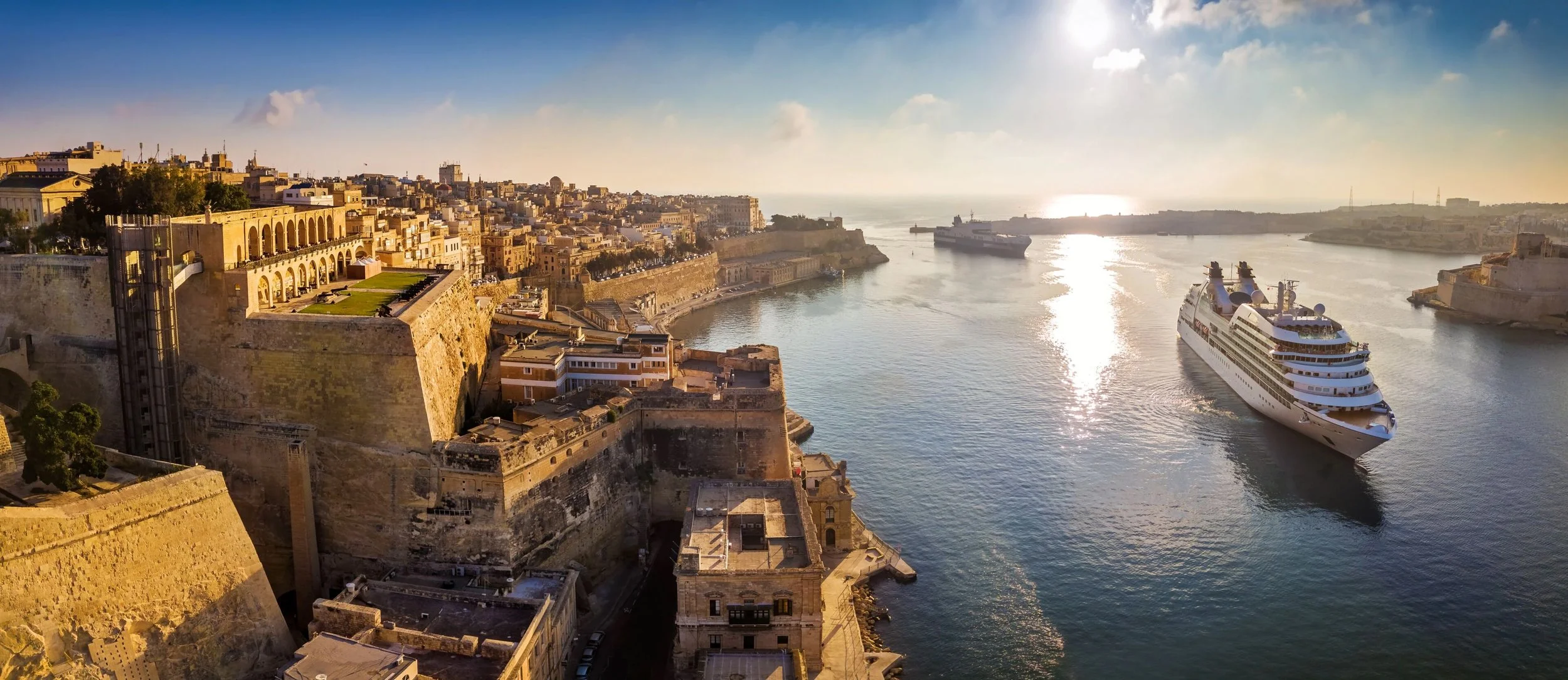
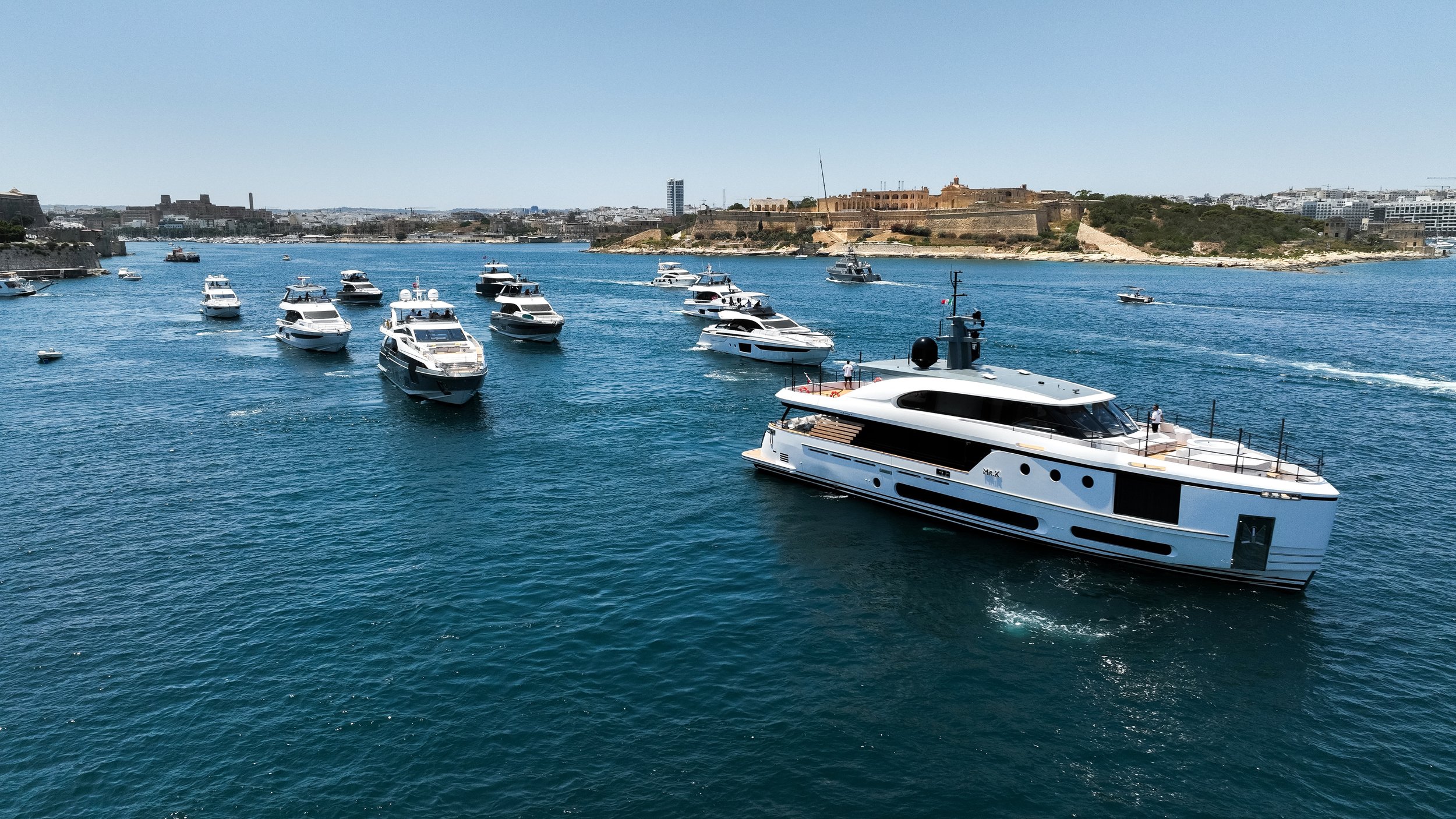
Valletta Grand Harbour
But summer 2026 feels different. Not because the Mediterranean has become less desirable — quite the opposite — but because the routes defining the season are shifting. Charter clients are travelling differently. Owners are demanding more privacy, shorter but richer itineraries, and experiences that feel less manufactured. Marina congestion, soaring berth prices, sustainability concerns and social media saturation are all quietly redrawing the map of Mediterranean boating culture.
The classic circuits still matter. Saint-Tropez will always be filled. Capri will always attract attention. Ibiza will always pulse. Yet the most interesting movement this summer is happening between the established icons — in the emerging corridors, quieter anchorages, secondary marinas and culturally richer cruising routes that now feel more aligned with how people actually want to spend time at sea.
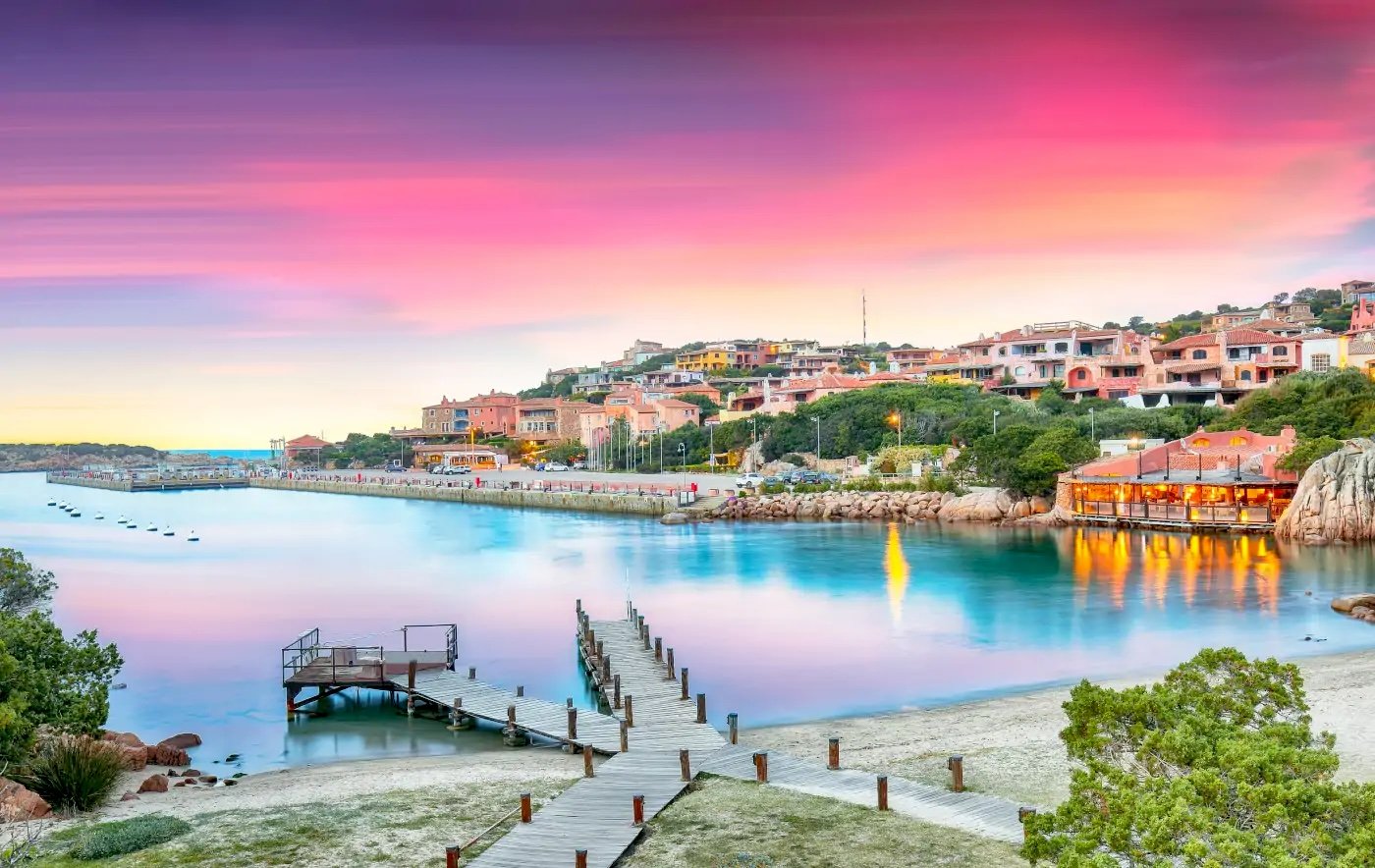
Porto Cervo remains Mediterranean summer royalty
The Mediterranean’s future is no longer simply about glamour. It is increasingly about access, atmosphere and intelligent movement.
Malta and Sicily: the central Mediterranean corridor comes of age
Few routes have gained momentum as quickly as the Malta–Sicily corridor. Once viewed primarily as a practical repositioning stretch between western and eastern Mediterranean itineraries, it has evolved into one of the season’s defining cruising regions.
Part of the appeal lies in geography. Distances are manageable, fuel consumption is relatively efficient, and the variety packed into a short itinerary is difficult to match elsewhere. Within days, yachts can move between Valletta’s urban intensity, the Aeolian Islands’ volcanic drama, Taormina’s theatrical glamour and the increasingly refined marina culture emerging across Sicily’s northern coast.
More importantly, Sicily itself has changed. The island has become noticeably more sophisticated in its hospitality offering over the past five years. Boutique hotels, design-led restaurants, upgraded marinas and a younger international crowd have shifted perceptions. Taormina remains dominant, but places like Syracuse, Cefalù and Riposto are drawing more serious attention from yachting circles.
For Malta, the route reinforces its role not only as a stopover but also as a strategic Mediterranean hub. Grand Harbour marinas continue attracting large yacht traffic, while Malta’s restaurant scene and accessibility make it increasingly attractive for shorter charter rotations.
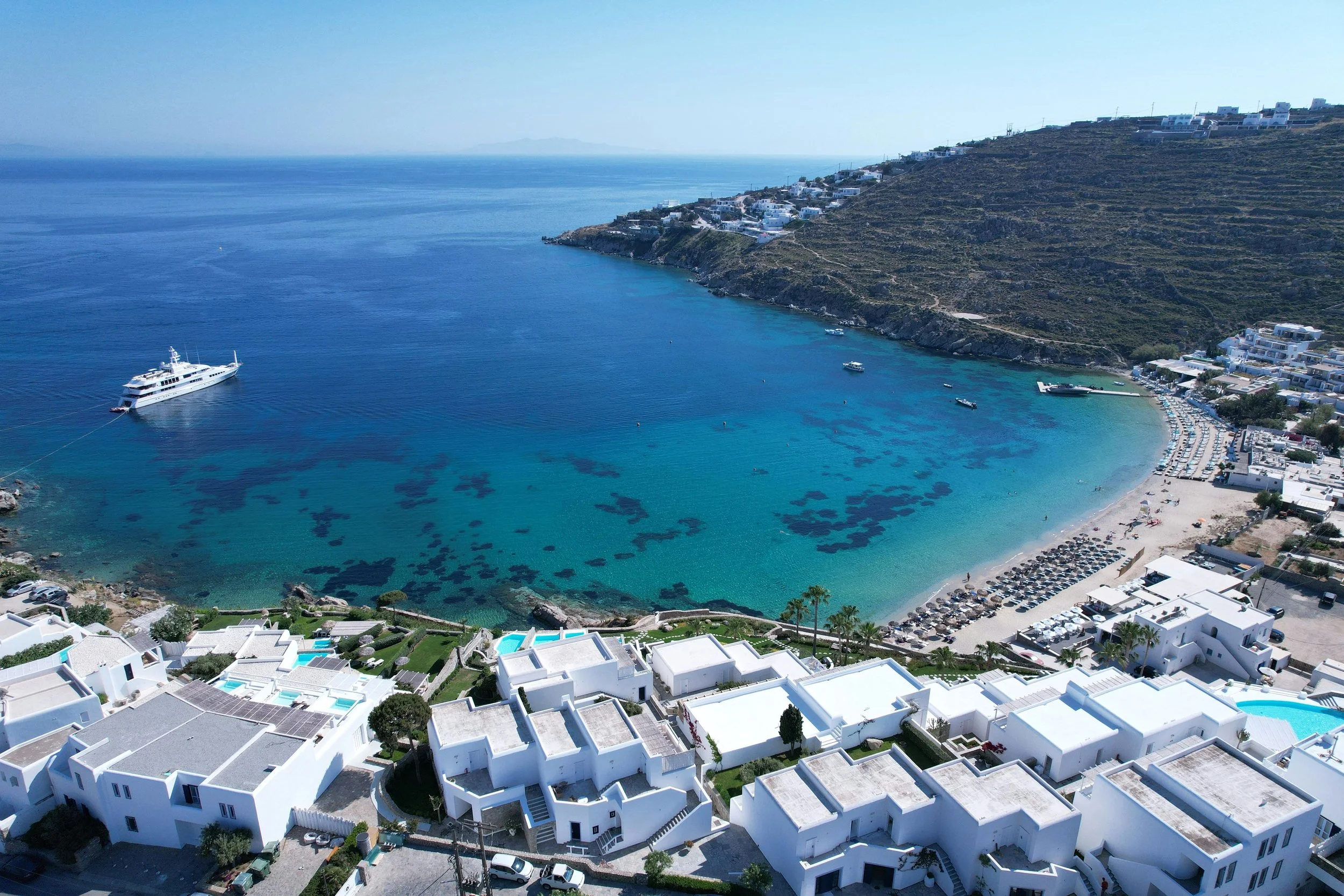
Cycladic anchorages drawing smarter Mediterranean itineraries
The ideal timing for this route is late May through early July or September into early October, when temperatures remain warm, but marina pressure softens. Motor yachts between 20–35 metres dominate here, although sailing catamarans are increasingly visible among younger charter groups prioritising slower itineraries and fuel efficiency.
The Aeolian Islands remain the emotional centrepiece. Arriving beneath Stromboli at sunset still feels cinematic in a way few Mediterranean experiences can replicate. Yet even here, the shift is noticeable. Guests are spending longer at anchor and less time chasing crowded beach clubs. Simplicity is quietly returning as a luxury.
Croatia and Montenegro: from party route to premium circuit
Croatia’s repositioning continues.
What was once marketed aggressively as a high-energy Adriatic playground has matured into something considerably more polished. The region still delivers nightlife and social energy, particularly around Hvar, but the tone has shifted upwards. Luxury villa development, upgraded marina infrastructure, and higher charter prices have gradually altered both the clientele and expectations.
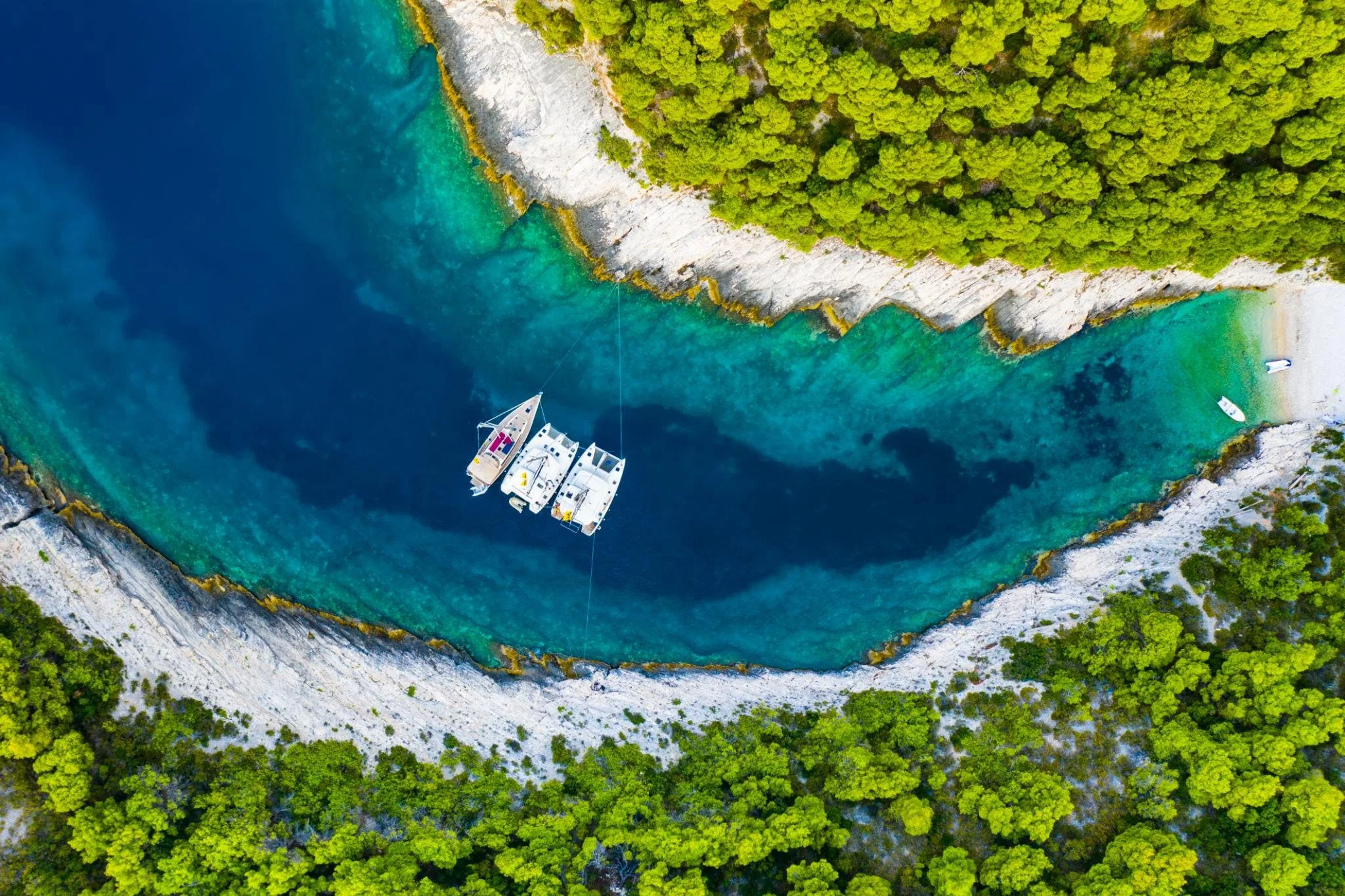
Slower Adriatic itineraries continue gaining momentum
Montenegro’s rise has accelerated this transition. Porto Montenegro and Portonovi now anchor a cruising corridor that feels increasingly tailored towards superyacht culture. The Adriatic’s calmer waters, relatively short cruising legs and dramatic landscapes make it particularly attractive for newer yacht owners and family charters seeking a less operationally demanding summer route.
There is also growing fatigue around overcrowded Western Mediterranean hotspots. Clients who once defaulted to the Balearics are increasingly experimenting with Adriatic itineraries that offer similar social energy but greater navigational ease and stronger value relative to the western Med’s escalating costs.
That said, Croatia’s popularity is becoming a challenge in its own right. Hvar in August can feel less like an island and more like a floating traffic system. Marina reservations now require almost military-level planning during peak weeks, and berth pricing has risen sharply across premium locations.
The smarter move in 2026 is to treat Croatia less as a single destination and more as a layered coastline. Vis, Šibenik, and parts of the Kornati archipelago are attracting more experienced crews looking to avoid the obvious routes while retaining access to strong restaurants and marina support.
June and September are now arguably the Adriatic’s sweet spots. The weather remains exceptional, while the atmosphere feels considerably more balanced.
The Balearics beyond Ibiza
Ibiza still matters. It always will.
But the most interesting Balearic conversations in 2026 are happening away from the island’s predictable social-media geography. The real shift is towards slower, more curated Balearic itineraries that combine Ibiza with Mallorca’s northern coast, Menorca’s calmer anchorages and lesser-known sections of Formentera.
Clients are increasingly tired of performative luxury. They still want beach clubs and nightlife, but not necessarily every day. There is a greater appetite for mornings spent at anchor, for smaller waterfront restaurants, and for less conspicuous experiences that still retain exclusivity.
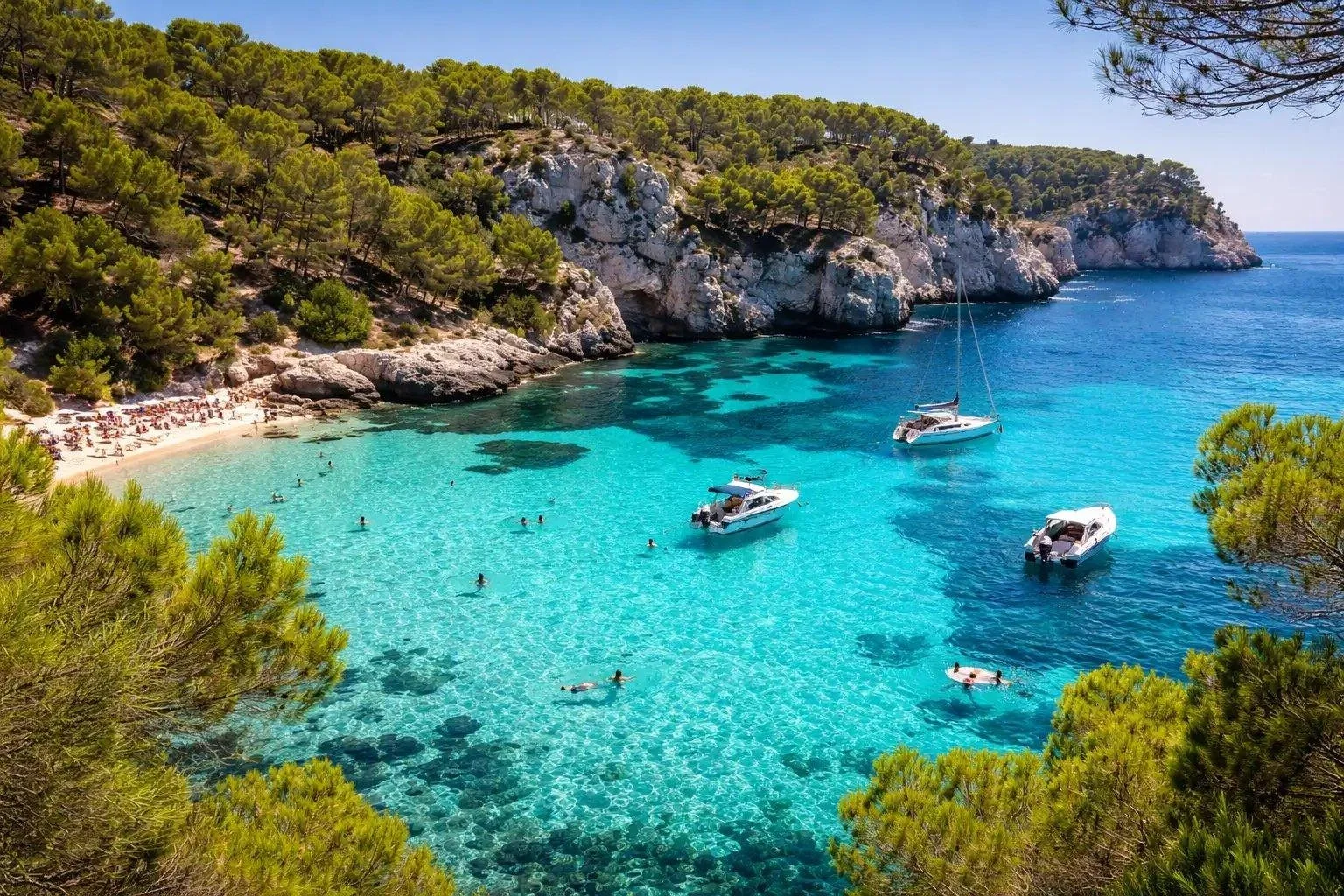
The Balearics remain irresistibly overcrowded each summer
Menorca is benefiting enormously from this transition. The island offers a calmer rhythm that feels increasingly valuable in a Mediterranean market dominated by overstimulation. Its coves remain comparatively protected from mass yacht traffic, while its culinary scene has matured significantly.
Mallorca, meanwhile, continues to evolve into one of the Mediterranean’s most complete yachting destinations. Palma’s marina infrastructure, international flight connections, and growing luxury hospitality sector make it an ideal charter base, particularly for mixed itineraries that balance nightlife and relaxation.
The Balearics also reveal another defining trend of summer 2026: shorter itineraries. Rather than two-week charters, many clients are now booking highly condensed four- or five-day escapes focused on one region done properly: better restaurants, better anchorages, fewer miles. Fuel costs are part of the equation. So is time. High-net-worth travellers increasingly want quality over nautical mileage.
The quieter Cyclades
The Greek islands remain one of the Mediterranean’s great emotional experiences, but even here, behavioural shifts are redefining routes.
Mykonos and Santorini still dominate visibility, but experienced crews are increasingly treating them as brief stopovers rather than centrepieces. The Cyclades’ quieter islands — Sifnos, Folegandros, Serifos and Milos — are benefiting from growing demand for authenticity without sacrificing style.
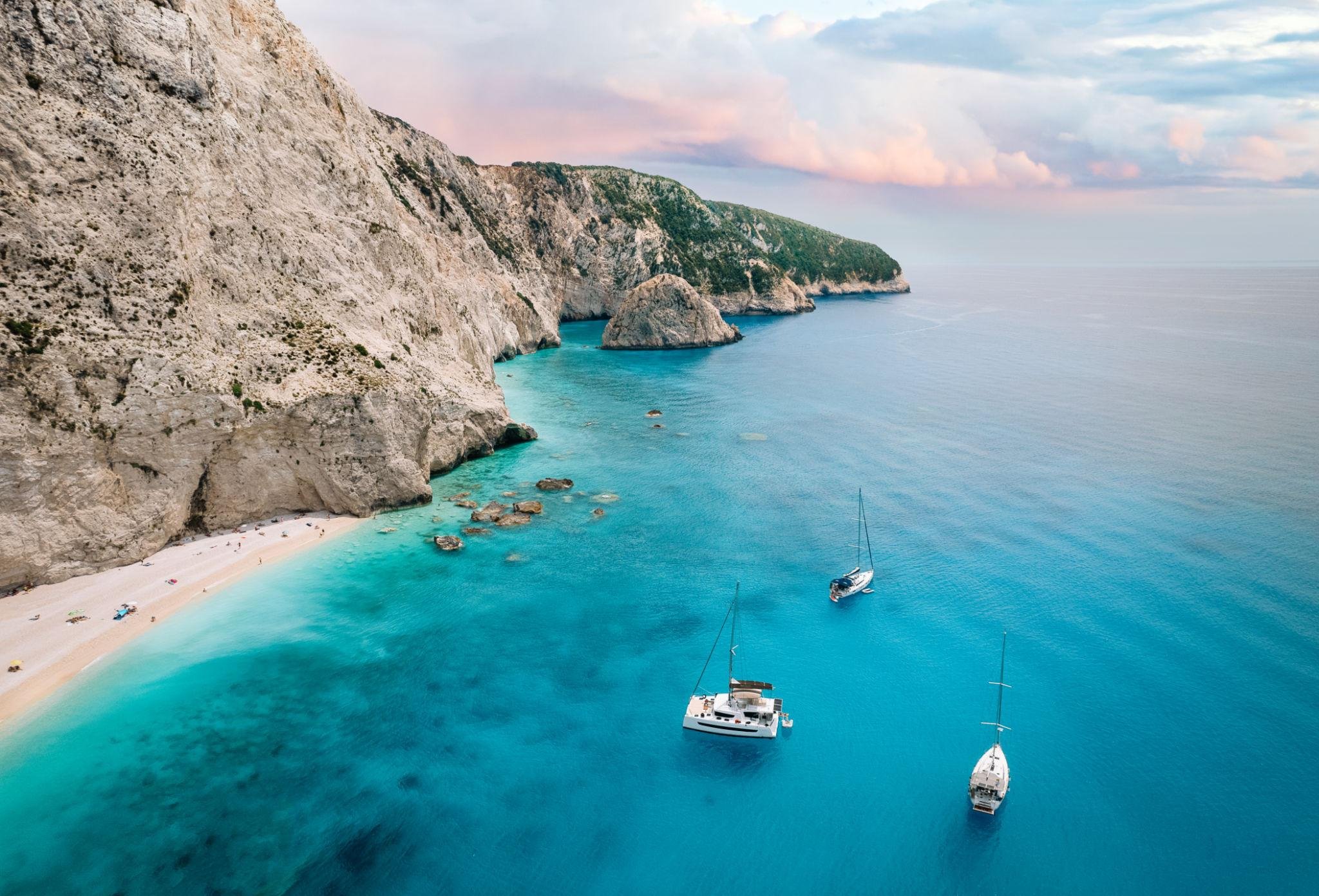
Greek island routes continue drawing sailing charters
These islands feel more aligned with where luxury travel is moving globally: understated, visually striking and less algorithmically exhausted.
The sailing culture here also remains distinct from much of the western Mediterranean. Wind patterns, longer passages and more technical conditions continue attracting serious sailors rather than purely lifestyle-focused charter guests.
Catamarans and performance sailing yachts dominate these itineraries, particularly in June and September when Meltemi conditions remain manageable without becoming overly aggressive.
The Cyclades also expose the Mediterranean’s growing infrastructure pressures. Smaller ports are struggling with increasing seasonal traffic, while waste management and water supply remain sensitive issues across several islands.
Sustainability conversations are becoming impossible to ignore in Greek waters, not necessarily in the performative corporate sense, but in the operational sense. Owners are paying closer attention to fuel planning, anchoring practices and local restrictions, particularly in environmentally sensitive bays.
The Mediterranean is beginning to understand that preserving exclusivity increasingly means protecting the environments that create it.
Corsica and Sardinia: the return of understated luxury
For years, Sardinia’s Costa Smeralda represented one of the Mediterranean’s most overt expressions of wealth. It still does. Yet summer 2026 suggests a more nuanced evolution.
The ultra-visible superyacht culture remains concentrated around Porto Cervo and Porto Rotondo. Still, many owners are now using Sardinia differently — moving faster through the social hubs and spending more time exploring the island’s southern coastline or crossing into Corsica.
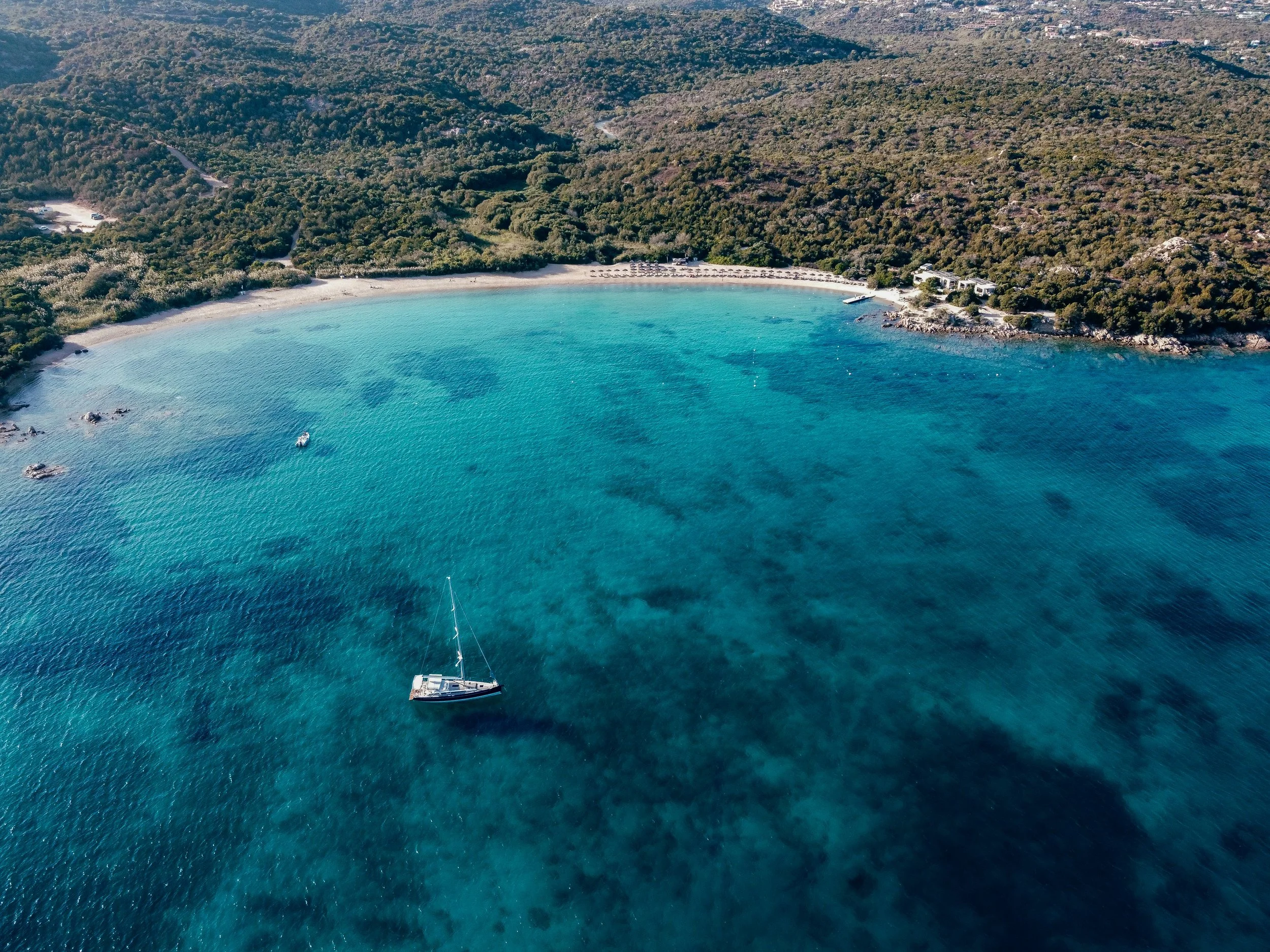
Sardinia offers Mediterranean luxury without excess
Corsica, in particular, feels increasingly relevant. Its dramatic coastline, protected anchorages, and lower-density atmosphere offer a compelling contrast to the increasingly saturated Riviera circuit. Bonifacio continues to dominate visually, but smaller ports and anchorages along the island’s western coast are quietly becoming some of the Mediterranean’s most desirable summer stops.
There is a noticeable increase in owner-operated yachts throughout this corridor as well. Experienced Mediterranean boaters are rediscovering routes that prioritise seamanship and scenery over visibility.
Late June and early September remain ideal here. August congestion around northern Sardinia can become overwhelming, particularly during peak Italian holiday periods.
The route suits both sailing yachts and explorer-style motor yachts exceptionally well. Distances are manageable, anchorages are spectacular, and the region still delivers a feeling increasingly rare in parts of the Mediterranean: escape.
Amalfi and Capri: still irresistible, increasingly difficult
No matter how many people claim Capri has become too crowded, too expensive, or too exposed to social media, the island still exerts a gravitational pull on Mediterranean yachting culture.
The same applies to the Amalfi Coast. The route remains visually unmatched. Sunrise arrivals beneath Positano’s cliffs still create moments people remember for years. But operationally, this has become one of the Mediterranean’s most difficult summer corridors.
Berths are limited. Day traffic is relentless. Restaurant reservations now often require weeks of planning. Tender congestion around Capri during August can feel absurd.
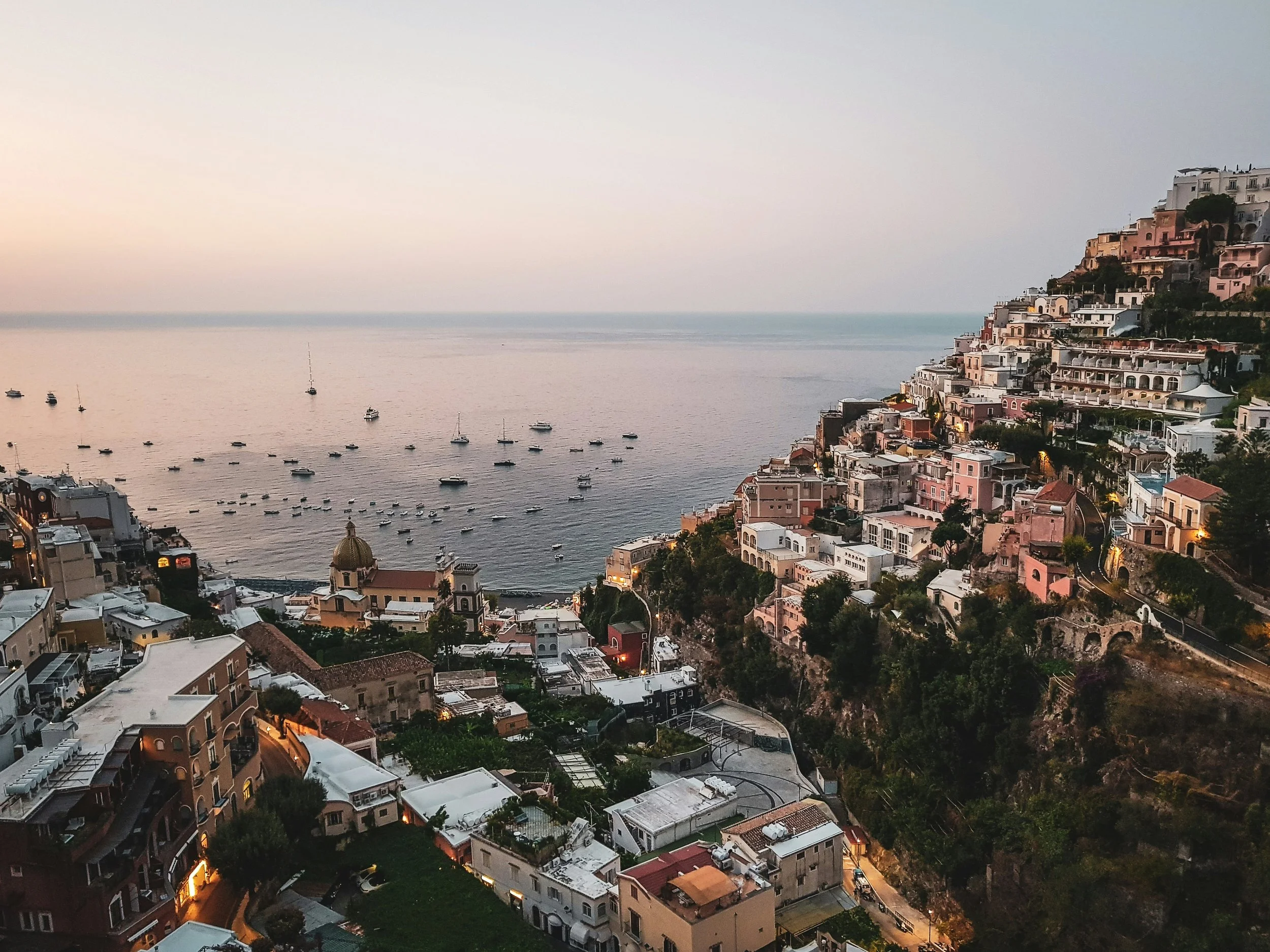
Mediterranean glamour still flows through Amalfi
Yet demand remains extraordinary. Why? Because the Amalfi Coast still delivers one thing many newer luxury destinations struggle to manufacture: atmosphere. Real atmosphere. The layering of chaos, glamour, history, beauty and theatre that defines Mediterranean summer mythology.
The smarter approach in 2026 is tactical timing. June and September offer better experiences than peak August dramatically. Many experienced captains now encourage clients to treat Amalfi as a shorter high-impact segment rather than an extended itinerary.
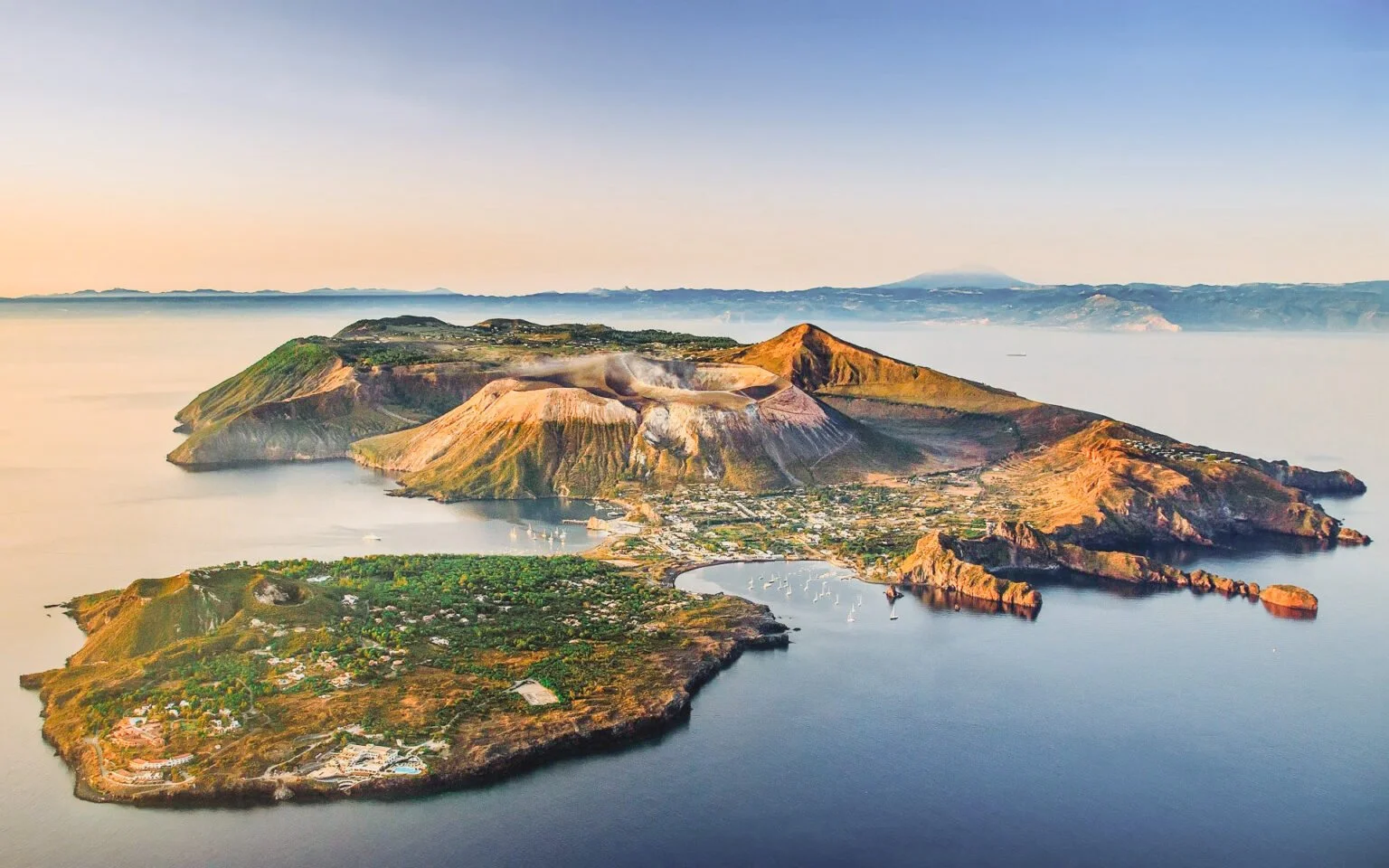
The Aeolian Islands anchor Mediterranean luxury
Combine it with Sicily. Pair it with the Aeolians. Use it as part of a broader southern Italian route rather than the entire journey. The coast remains iconic. But increasingly, the best Mediterranean itineraries are those that understand when to leave the icons behind.
The Turkish Riviera’s quiet resurgence
One of the Mediterranean’s most intriguing developments is the gradual return of the Turkish Riviera to premium charter conversations.
Bodrum, Göcek and Marmaris are re-emerging as highly attractive alternatives for clients seeking strong service standards, excellent cuisine and comparatively good value against Western Mediterranean pricing.
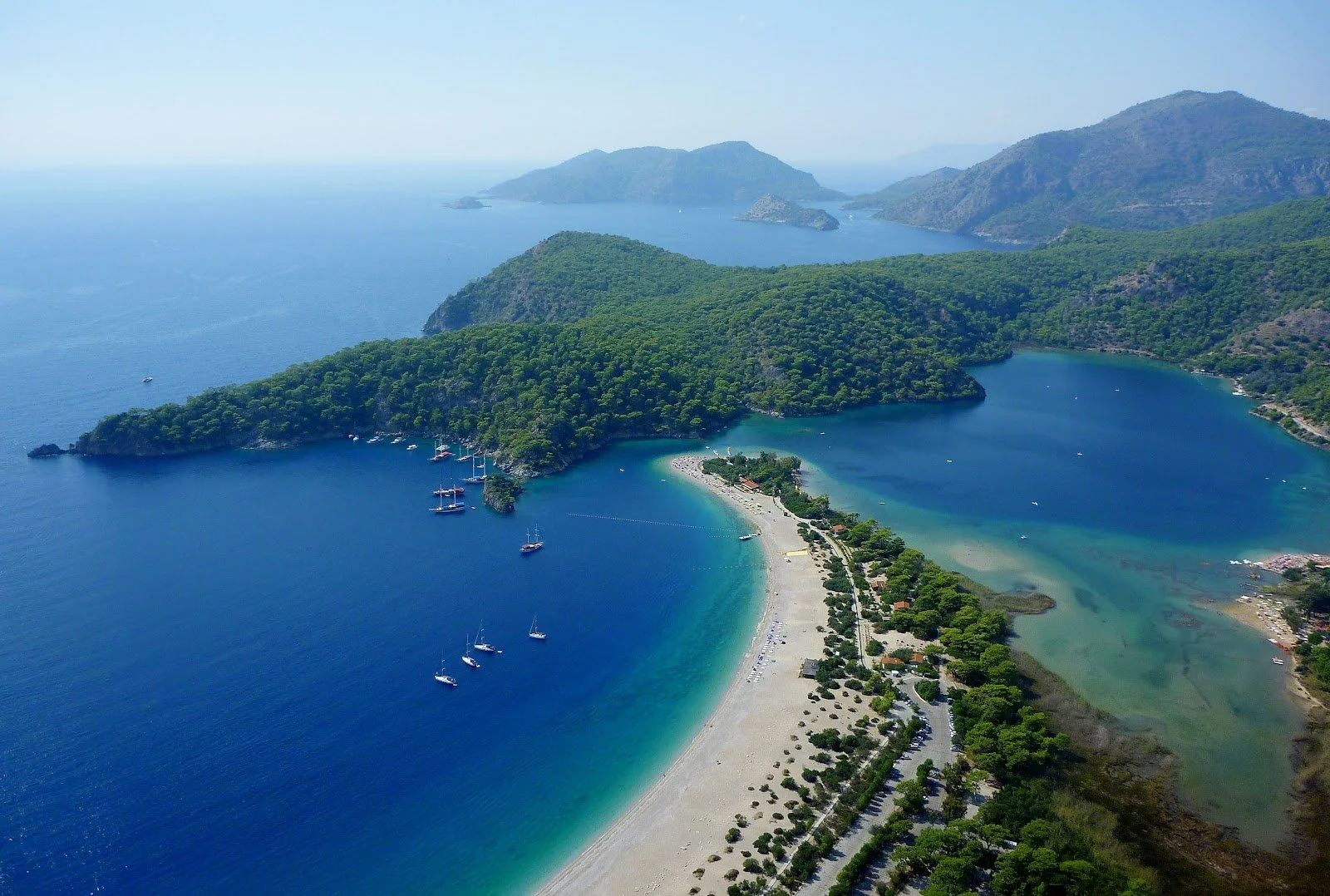
Turkey’s quieter coastline is rising again
The region also suits slower cruising exceptionally well. Distances between anchorages are manageable, provisioning standards remain strong, and the hospitality culture feels naturally aligned with boating life.
There is less urgency here—less performance. Traditional gulets remain part of the landscape, but modern motor yacht charters are growing steadily. Boutique hotel development and marina investment are also elevating the region’s luxury profile without stripping away its character.
The Turkish coast particularly appeals to repeat Mediterranean clients who have exhausted more traditional western routes and now prioritise atmosphere over status. In many ways, that may be the defining behavioural shift shaping summer 2026 altogether.
Where Mediterranean boating culture is heading next
The Mediterranean is not becoming less glamorous. It is becoming more selective.
The routes defining summer 2026 are not necessarily the loudest ones. They are the routes balancing beauty with practicality, social energy with privacy, and luxury with authenticity.
There is also a growing emotional shift underway. People are tired of travelling purely for visibility. The most sophisticated itineraries now prioritise rhythm rather than checklists. Long lunches instead of endless crossings. Better marinas instead of busier ones. Smaller islands with stronger identities rather than destinations overwhelmed by their own success.
At the same time, pressure on the Mediterranean is intensifying. Marina expansion, overtourism, environmental strain and rising operational costs are all reshaping how people move through the region.
The boat itself is changing too. Hybrid systems, slower cruising speeds, improved efficiency and more conscious itinerary planning are becoming part of mainstream conversations rather than niche sustainability talking points.
And perhaps that is where Mediterranean boating culture is ultimately heading — towards something slightly calmer, slightly smarter and considerably more intentional.
Not less luxurious. Just less obvious.
The Mediterranean marina pressure map
Summer 2026 is exposing a reality most captains and brokers have quietly acknowledged for years: the Mediterranean’s infrastructure is struggling to keep pace with demand.
Across the western Med, berth prices continue climbing while availability tightens dramatically during peak weeks. In destinations like Capri, Porto Cervo, Ibiza and Saint-Tropez, securing prime marina positions in August increasingly requires months of planning, long-standing relationships, or extremely flexible itineraries.
The result is changing cruising behaviour. Experienced crews are now building routes around secondary marinas and smarter timing rather than simply chasing headline destinations. June and September have effectively become the new “high season” for many seasoned owners seeking the same atmosphere without the operational headaches.
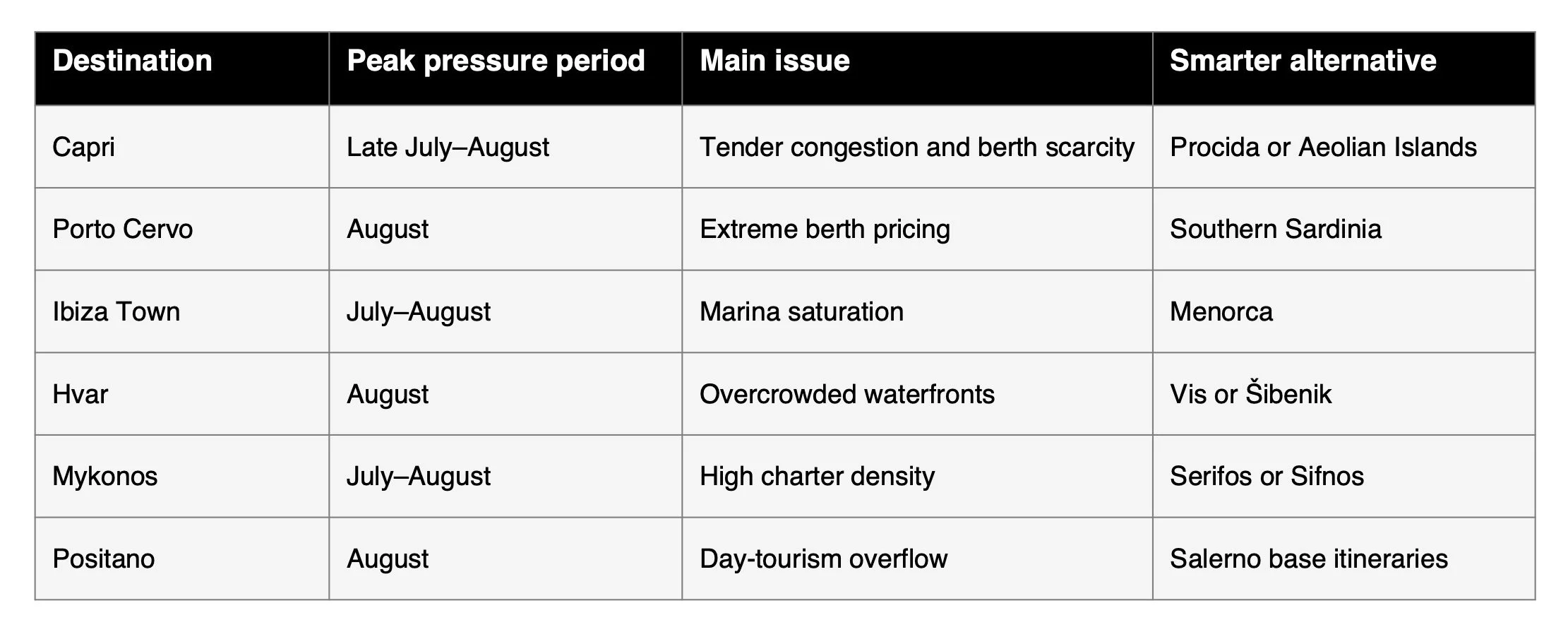
Mediterranean pressure points for summer 2026
The new operational reality
Captains are increasingly encouraging:
slower cruising speeds to reduce fuel consumption
longer anchorage stays
flexible itineraries
earlier marina reservations
shoulder-season charters
secondary marina usage
The Mediterranean is not becoming inaccessible. But it is becoming far more strategic.
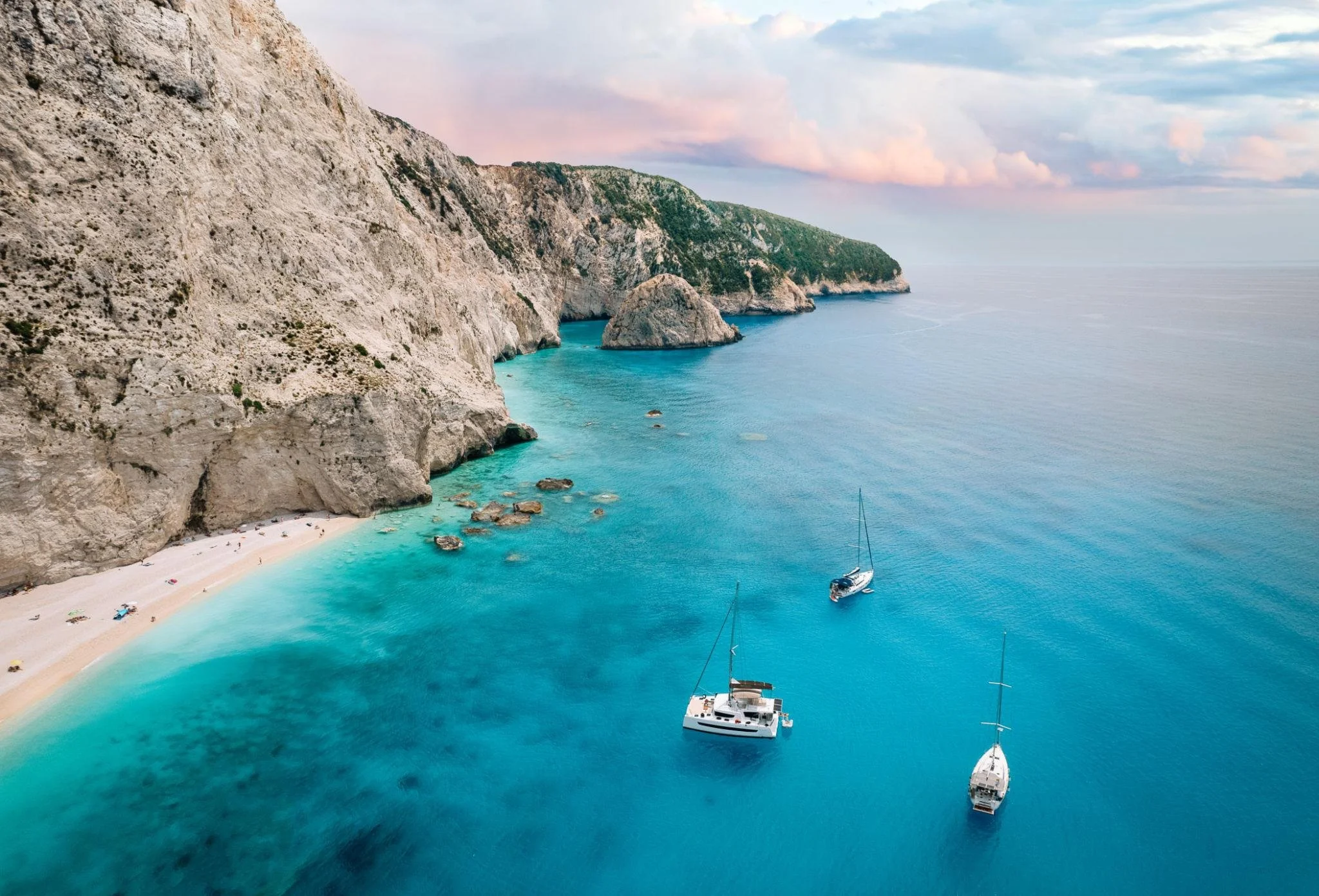











As the Mediterranean season reaches peak summer mode, the focus of the yachting world now shifts towards the industry's biggest late-season showcases. From Cannes to Monaco, the coming months will unveil the yachts, design trends and lifestyle concepts set to define the future of luxury boating.