

Hope, structure, and no time to waste
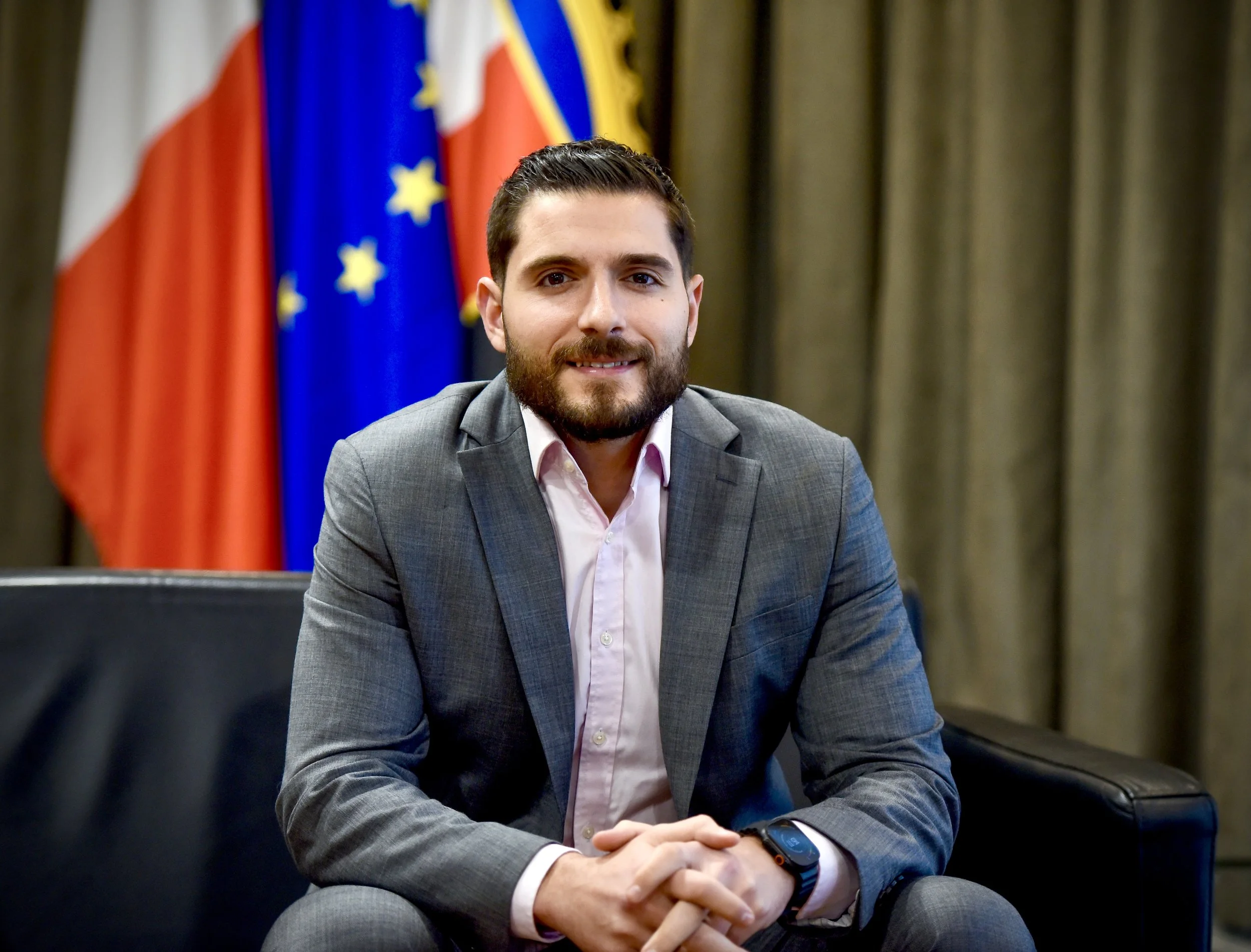
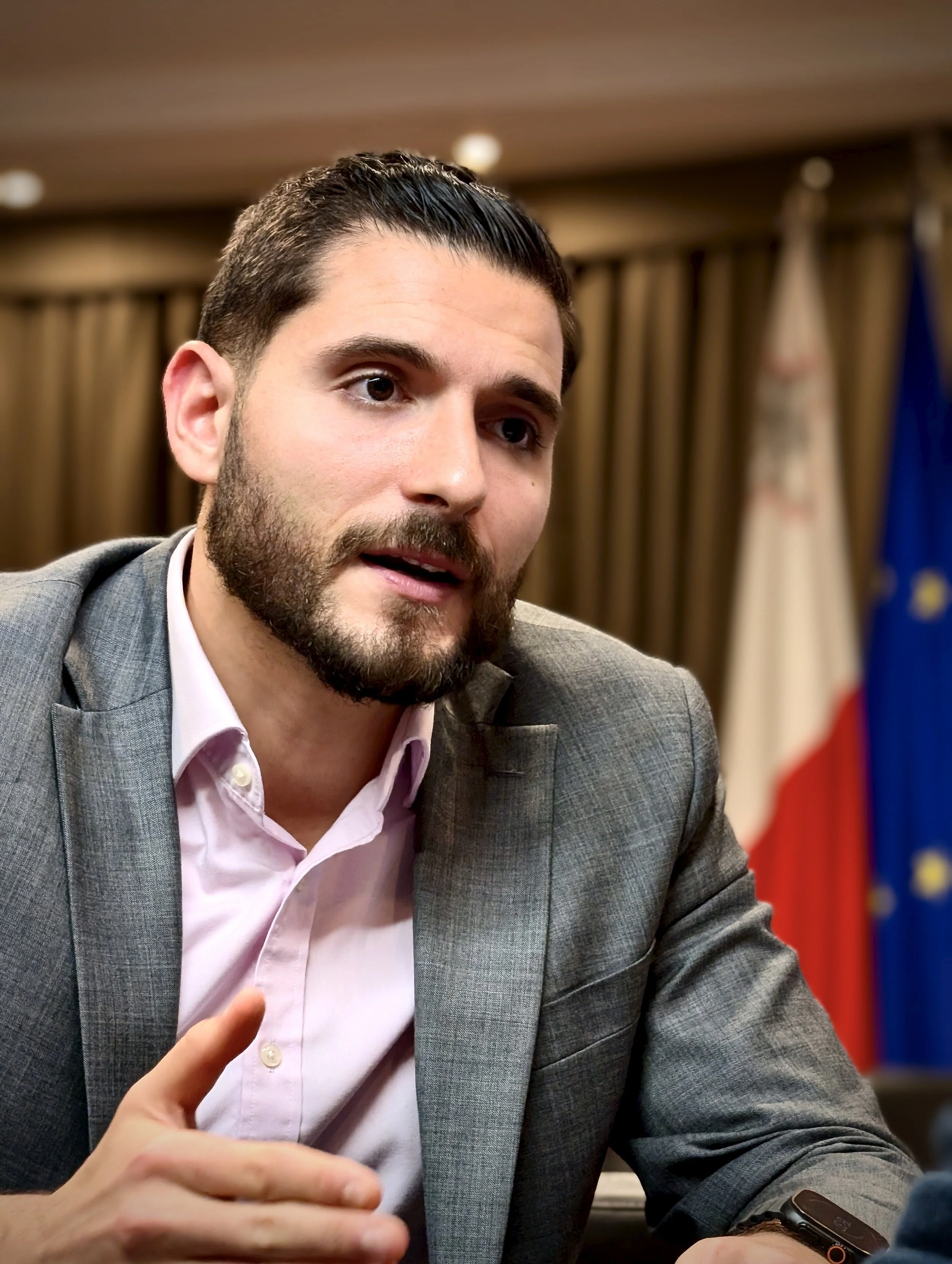
Malta’s biggest challenges rarely fit into soundbites. In this wide-ranging conversation with Vanessa Macdonald, Alex Borg discusses transparency, accountability and the long-term decisions that shape everyday life — from planning and open spaces to infrastructure, the economy and public confidence.
What gives you the most headaches? The Labour Party, the voters, or your own party members?
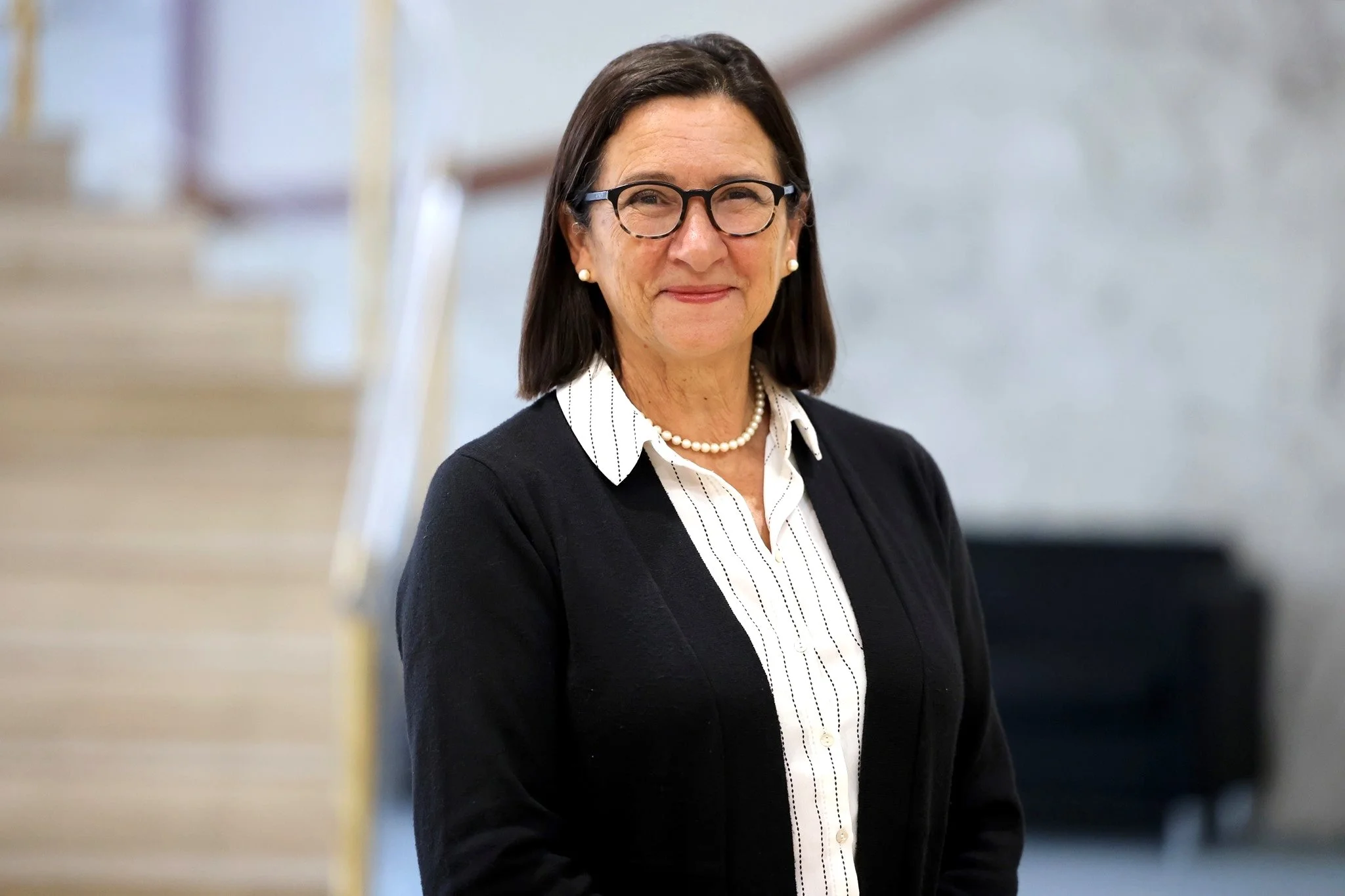
Vanessa Macdonald
Nothing gives me headaches. I see it more as a challenge, and I believe that every job has its challenges. The important thing is whether you can face them and overcome them. That is the most critical aspect.
When I first considered standing for leadership, there were many questions and pros and cons. But I decided to go ahead and, today, in this position – one of the highest Constitutional ones in our country – you do face various challenges. But if you have the determination and political will, and do it for the right reasons, I believe we can achieve an excellent result.
Since I became leader, our first goals have been to restructure internally, and we have even created new positions, including a CEO whose remit includes restructuring the party's financial structure.
We can overcome them if we work together and have already made progress. In fact, a few weeks ago, we published the party's accounts from 2021 to 2024, which were pending, within our first 100 days.
We were also able to collect more than €1 million, no mean feat, and I think that we managed to do this collectively – I cannot take all the credit. It comes from my team, our parliamentary group, our sectional committees and even those people out there who are now coming round to believe in the party and want to invest in it. It gives us a solid basis on which to work.
You haven't answered my first question. Which one is the biggest challenge? The Labour Party, the voters, or your own members?
About 100,000 people do not vote, and they are not partisan; they weigh everything up and decide who offers the best vision for the country. And they also consider the 10-15-year horizon and which party provides a concrete vision to tackle the problems the country is facing.
Alex, you're saying 100,000 people don't vote. However, while there will always be floating voters and those who have never voted before, is there an element of disgruntled Labour or Nationalist voters? Including diehards.
There are various groups, not only disgruntled ones, but also youths who are apolitical or have no faith in the country's political system. I meet a lot of youths, and my age makes them relate to me. I want our measures and initiatives to win back their trust. These youths form a significant part of those thousands of non-voters. Professionals also evaluate the situation and feel that they are political orphans. It is a challenge, but I believe that we can overcome it.
Since Laurence Gonzi lost the 2013 general election, the PN has had four leaders. Simon Busuttil, Adrian Dalia, Bernard Grech, and now you. Why will you succeed where they have failed?
This is the new way of doing politics. They all played their role, and each one did some good. Each has its qualities, and we are still benefiting from what they did. But now we need to grab the bull by its horns and make decisions for the party and for the country.
Even when we were talking about the accounts, many had doubts, while others felt I was too young and might not succeed. But I was determined to deliver on all the promises I made during the election – specific KPIs – and to do so within the timeframe I had indicated.
I believe the party's internal structures should operate on a corporate basis. I come from the commercial sector and understand how companies work. And I know how taking the right decisions can turn a downward trend into a positive one.
This is why I wanted to focus on discipline and structure during my first few months as a leader. There is still plenty more to be done, and we need to keep the current momentum. People have renewed hope, and we need to keep strengthening this with quality candidates who, together with the parliamentary group, are seen as an alternative government.
We need new proposals and concrete visions that address the specific problems people face. All these factors will help us to win people's trust.
In your budget speech, you made 50 proposals. It's a great list – however, without enforcement, it's all for nothing...
These 50 proposals are only the beginning. I wanted to give a feel of what we can provide as an alternative government – and not as an Opposition! We are a government in waiting, and as such, we need to offer solutions to the problems facing the country while also providing a vision that delivers on people's ambitions, including those of our youth.
That has always been the formula for success: from an independent country to a European one, joining the eurozone, and achieving substantial economic growth. These are things that we need to resurrect.
Very often, people ask what new initiatives we could pursue. But the reality is that we do not need to reinvent the wheel… We merely need to strengthen what we already have.
Take the maritime sector, there is so much more than we can do. 14,000 ships go through our territorial waters every year, many of which need to stop somewhere for refuelling. If we improve our fuel bunkering infrastructure and add new fuels like LNG, hydrogen and ammonia – which many vessels use nowadays – we will be like a 'petrol station' in the centre of the Mediterranean. Imagine the potential.
Take aircraft leasing. It is a niche our country has begun to investigate. Still, it is not yet sufficiently regulated, and we have not yet created a niche that can deliver sufficient added value.
And tourism: if we attract quality tourists by offering a tourism product that generates more revenue for all involved, the revenue they leave behind will increase. Unfortunately, the present government is going after quantity, announcing every year how many millions have arrived. Why not target quality, which would, for example, allow hotels to increase their Average Room Rate, currently one of the lowest in Europe?
This would leave far more money in the pockets of local businesses, who could then reinvest. The ripple effect would be to create more economic power.
These are some of the things we are looking at as an alternative government and form part of the economic vision we will be rolling out. It will show that we are ready to run a government that is credible, transparent and accountable.
Let me pick up on your mention of accountability… Corruption is a central recurring theme in Maltese politics. Unfortunately, many voters believe that this is just inevitable after a certain number of years in power. Either politicians are accused of lining their own pockets or of funnelling contracts to their contacts. How can you make sure that your party does not fall into this trap?
I have spoken about party financing. The time has come to talk about this in depth. I have set up a working group drafting legislation that would ensure parties are not obligated to anyone.
Great – but what about the corruption of individuals?
You have to look at the source: why does corruption tempt politicians…
Greed?
What if there were a system that strengthened their autonomy? Has the time come to discuss politicians' wages? I am in no way accepting corruption, but I face the same temptations and will not allow myself to get into a situation where I would become corrupt.
But a system that is rigid and prevents this, by raising the wages of ministers and politicians? Regulations and strict guidelines would ensure that those who are guilty face serious repercussions.
How can you have a prime minister who earns €60,000-€70,000 while the person who reports to him earns twice that amount? Something does not add up.
But these discussions are needed if we are to show that we are a serious country. By raising salaries, you not only reduce corruption but also attract quality. In a democratic country, how can you attract people to politics if the wages are miserly and far lower than those in the private sector? We must not shy away from discussing this if we want a more transparent country.
I had asked Adrian Delia, when he became head of the party, whether he was ruthless enough to be a leader. My question instead took him aback. From what you're saying now about a zero tolerance for corruption, are you ruthless enough?
We have already shown that we are not afraid of certain uncomfortable discussions. In the few months I have been a leader, we have spoken about several things that people may have preferred to ignore, but I am not afraid. And this also applies to the other side of the political spectrum.
For example, different countries are discussing the four-day work week, but I did not hold back from discussing it. We may find that it cannot be introduced, but let us at least examine whether it could work in Malta.
I am also bringing back into the fold people who left the party. It does not necessarily mean they will be candidates, but we need to start reaching out to them, for example, Edwin Vassallo and Franco DeBono. Various others from the party moved away. I want to reassure them that the door is open, and these are not just words; these are facts.
If we talk about internal matters, one of the main issues is the party's unity. Divisiveness was an issue that held the party back, and my predecessor had already begun trying to heal it and reintroduce harmony and unity. I am trying to continue with this, to create a more compact and united party. Unless your own people are aligned, you can never win the government. Only then can you start winning others over.
You spoke about the party's finances. However, let's get to the nitty-gritty: MediaLink has been a dramatic financial drain. You want things to be transparent and accountable, but we're talking about a company which apparently hasn't even published its accounts since 2004. It's hardly setting the right example.
One of the first things I did was to bring our house into order. As a party, financing is one of our obligations with the Electoral Commission. One of the most important things, and one that gives me great satisfaction, is that as a party we have more assets than liabilities, which gives us the flexibility to keep functioning. MediaLink is a private company which has its own obligations under the Malta Business Register. It has challenges, but it does not mean that we will sweep things under the carpet. We have a financial team working to restructure MediaLink and make it more efficient and effective. We also need to look beyond what it already does to social media and podcasts, which will rejuvenate the company.
This is a challenge which both parties are facing. One Productions has not published its accounts for about the same length of time as MediaLink. It also faces challenges with its debts.
So both parties are facing this, but that does not mean that, in Opposition, I can do the same just because the government is… Two wrongs don't make a right. This is why the experts I appointed are working to strengthen the party's media arm.
Let's take a step back and ask maybe a more basic question. Do we actually need political television stations? Are they just preaching to the converted? And that applies to your newspaper as well.
The reality is that, as a party, without Net TV, we would not have a voice.
You yourself just mentioned social media, which is a lot more cost-effective.
The only way the party can get its message across in traditional media is through its television station. The Labour Party in government has PBS and One. So if we reduce Net TV, we will lose the audience who hears our message through traditional outreach.
You've got 100,000 floating voters. Do they get their message from Net or One?
As soon as I became the leader, I instructed the party to set up a social media office, and there are now two people working there. Our communications head and his team are amalgamating and strengthening our presence on social media. Before, we relied on press conferences and press releases, but now we use reels, which drive much more youth engagement.
You have to get your message across and, even on an international level, this is the approach being adopted.
As a party, I had vowed to be the first party to have political podcasts. We used crowdfunding to raise €15,000 over a few days, and we will soon launch the first political party podcast in Malta.
Social media nowadays spans a broad spectrum – Facebook, Instagram, TikTok, LinkedIn – each with its own audience, so you need to tailor your message to each one. We are investing heavily in social media to make sure it reaches everyone.
You have a list of 50 proposals regarding how you see the economy developing. Do you believe we should be aiming for economic growth or well-being? Can you actually have both?
You can have both, yes, but the economy has continued to grow at a specific rate, and you have to understand at what cost. The economic vision of this government was to achieve growth, but it was based on the importation of third-country nationals. You cannot simply throw them out, as specific sectors rely on them.
The problem is that this vision was not achieved over a decade or so, but just over five years, which means our infrastructure could not cope. It is affecting the quality of life. Traffic is a daily issue, and if you go to Mater Dei Hospital, you wait hours – sometimes up to 12 – to be seen. And the same applies to overdevelopment and lack of open spaces. This is the reality, and this is why we believe wholeheartedly that we need to work towards a better standard of living, even as we continue to pursue economic growth.
You recently spoke about the need for political – or non-partisan – consensus. Wow.
Some significant projects will never get off the ground unless we sit down together to discuss them. We cannot only look at a five-year horizon. Take mass transportation – whichever solution we go with, from metro to monorail – cannot be done in one legislative session. It will take two, if not three, and it could be started by a Labour government but finished by a Nationalist one. Hence, the importance of both parties getting together and agreeing on these big projects.
I have made the offer to Prime Minister Robert Abela and the Labour government to sit down with them to discuss, for example, mass transport and even sign a memorandum of understanding in which we agree that no matter who starts and finishes it, we would agree with the consultants and technocrats on the way forward. We also believe the healthcare sector requires a joint agreement on where we want to go. It is not enough to cover up the problems.
The government has not yet responded, but the door remains open. I want to see things happening with the national interest in mind, and with a strong vision to reduce the problems faced by the population in Malta and Gozo.
Even when we talk about planning, we need to decide on the way forward. Do we want sustainability? We do not want to stifle growth, but we cannot have endless growth without looking at its impact on our identity, something that taps into quality, even a plan for open spaces.
Propaganda will not get us there. The day after my Budget speech, the prime minister announced that he would develop White Rocks as open space, but where is the line item in the Budget that specifies how much he will spend on it?
And what does he mean by a national park? National parks are not defined in our legislation. Does it mean kiosks everywhere? Or trees? Or animals? Or commercialisation? I think we first need clarity on what a national park is, and only then can we start talking about them.
There is a dire need for national parks and open spaces in our country – but this should be a real project, backed by agreement, not just propaganda to tick the boxes!
Last question: Is Labour going to lose the next election, or are you going to win it?
I want to see Malta win. It is not about one party or the other losing. Without being partisan, I want a party that works for the whole of Malta.
We want a better Malta. A just, fair, sustainable Malta. Where everyone gets a chance to progress, no matter which party they support. And a better ecosystem where we go for quality. I believe that what we, as a party, offer over the coming months will win the faith of those who want to see Malta improve.
The interview was conducted in Maltese and has been edited for clarity.
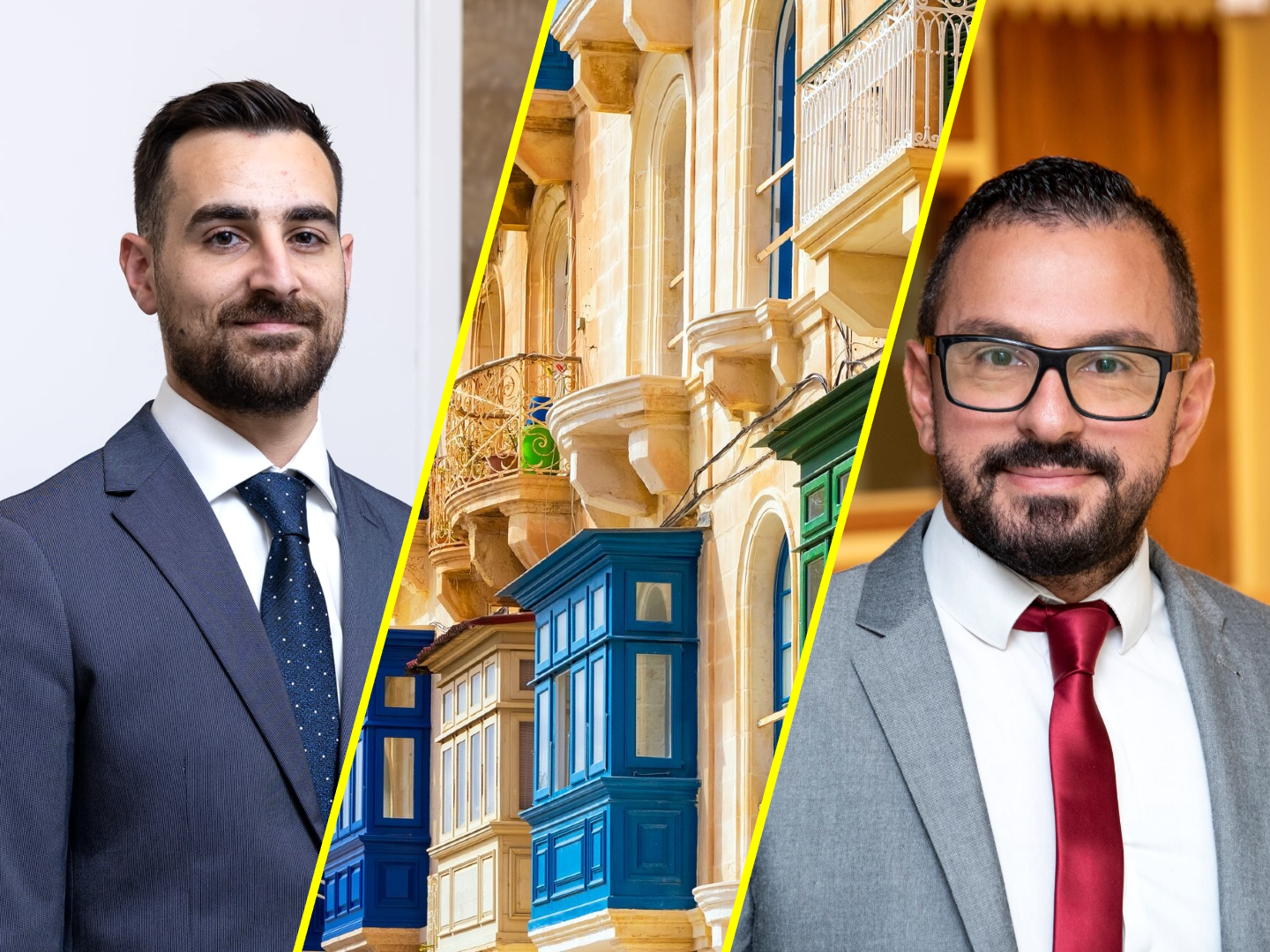
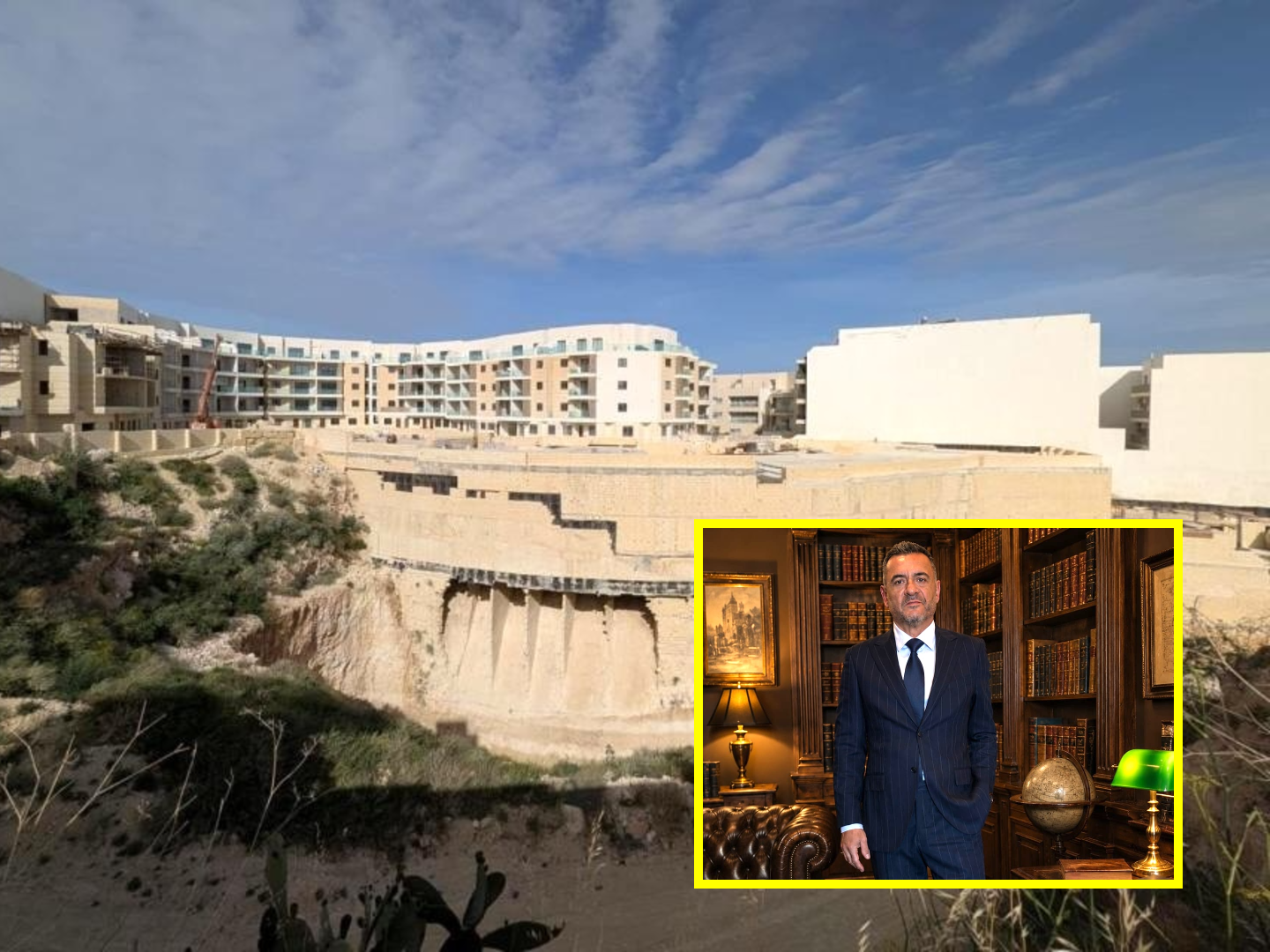


As Malta's property market matures, Zanzi's Steve and Michael Mercieca discuss technology, trust, governance and why the next decade will favour disciplined operators over growth-at-all-costs ambition.