

The evolution of financial services automation and its impact on talent

Przemyslaw Koger
When I started my career in financial services two decades ago, the relationship between technology and human expertise was straightforward: we did the work and technology helped us organise it. Today, this dynamic has undergone a profound shift, with significant implications for talent development.
The reality behind the automation revolution
Clients and investors now expect granular details, real-time reporting, and live adjustments that would have been impossible to deliver manually two decades ago. What we're seeing goes well beyond digitisation and represents a complete transformation of how we operate. Investment performance reporting now runs on live data, comparative analysis happens in real-time, and clients can tailor reports instantaneously.
This shift has liberated our teams from what I call the "manual tedium" that once defined much of financial services work. In my early days, I dedicated countless hours to basic data entry and manual reconciliations.
Frankly, it was mind-numbing work that drove talent away from the industry. Today's automation handles these routine tasks with greater accuracy and speed, reducing errors and eliminating human bias where it doesn't add value.
However, what the headlines often overlook is that automation in financial services is about amplifying human expertise, not replacing it. While technology manages the routine, our professionals focus on what truly matters: understanding client needs, interpreting complex data, and building the relationships that drive successful outcomes.
The skills transformation
The professionals we're hiring today need to be fundamentally different from those who succeeded twenty years ago. Previously, you could build a successful career by mastering one discipline (for example, accounting, compliance, or tax) and staying within those boundaries. That approach no longer works.
Today's financial services professionals must be comfortable operating across multiple disciplines. They need to understand regulatory frameworks, stay current with market trends, and grasp the interconnection between compliance, technology, and client service. The world changes quickly, so adaptability has become more valuable than deep specialisation in any single area.
This doesn't mean technical qualifications have become irrelevant. We still operate in a highly regulated industry where competence and precision are non-negotiable. However, we've shifted our focus from traditional qualifications, such as ACCA, to evaluating thinking skills and adaptability as primary hiring criteria. Before adding to our team, we now ask: Can this person learn quickly? Do they communicate effectively with clients? Can they collaborate across teams and geographies?
Learning in the age of automation
The way people develop expertise has evolved in tandem with technology. While structured training programmes remain essential, the majority of meaningful learning now happens on the job through iteration with colleagues and direct client interaction. Software manuals can teach you how to use a tool, but understanding how to apply that tool to solve real client problems requires experience and collaboration.
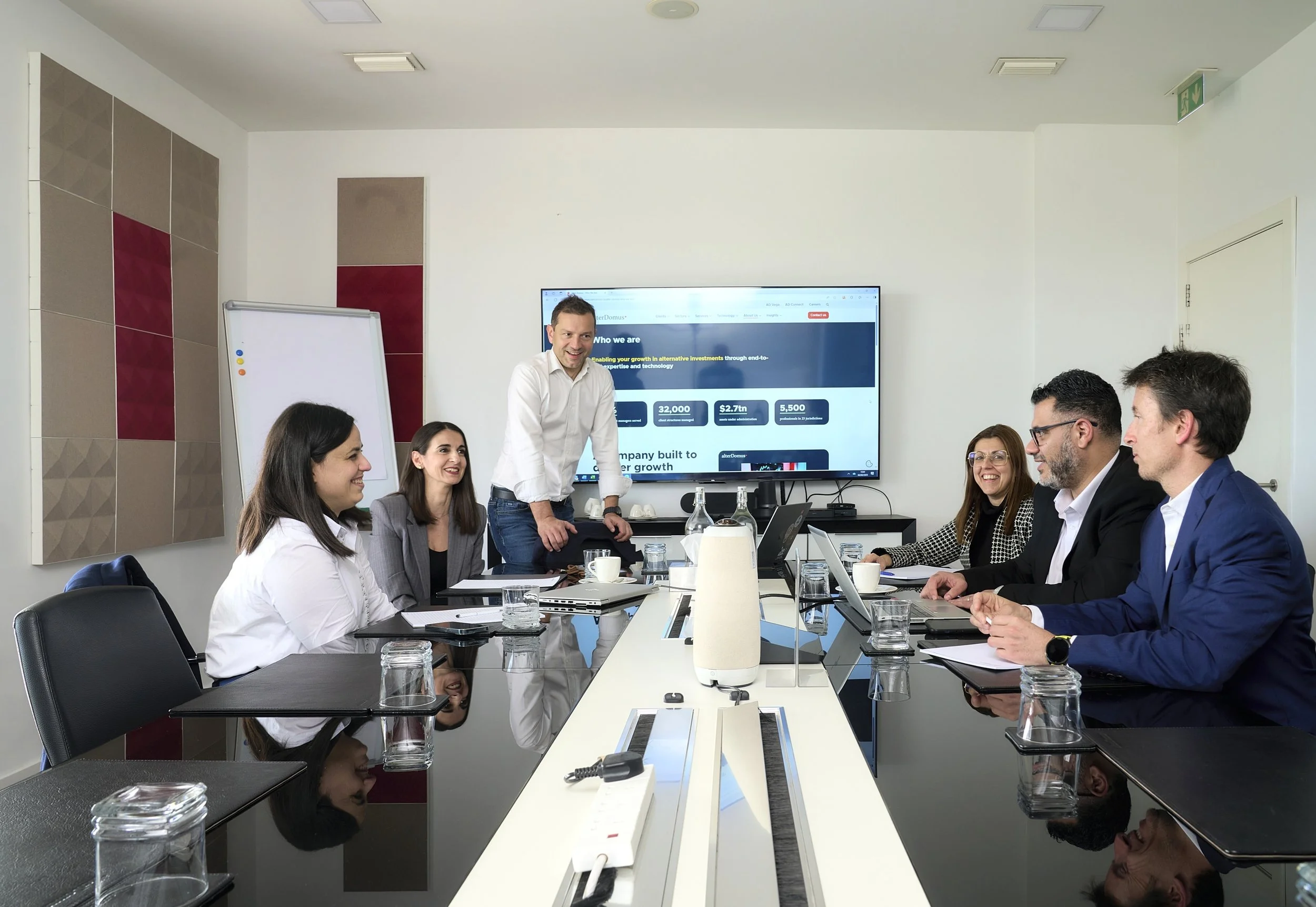
We've deliberately restructured our approach to graduate development. Instead of the traditional model where junior staff performed basic administrative tasks, we ensure new joiners engage with meaningful work from day one. We explain the 'why' behind our processes, not just the 'how.' By the time today's graduates reach senior positions, the industry will have undergone significant changes, so we focus on building adaptable thinkers rather than technical specialists.
Balancing innovation with trust
Financial services operate under a unique constraint: the stakes are too high for rapid experimentation. Unlike retail industries, where companies can "move fast and break things," we must strike a balance between innovation and rigorous risk assessment. Our clients trust us with substantial assets, and that trust requires the careful and measured implementation of new technologies.
We've successfully integrated some aspects of AI and automation across various processes while maintaining the high standards clients expect. The key is understanding that automation enhances rather than replaces human judgment. Technology flags issues and processes routine transactions, but humans make the strategic decisions and manage the complex relationships that define successful financial services.
The future of financial services careers
Looking ahead, I'm optimistic about career prospects in our industry. Automation is eliminating the mundane work that previously caused burnout and high turnover. Instead, professionals can focus on relationship building, strategic thinking, and solving complex problems: the work that initially attracted many of us to financial services.
For those entering the industry today, my advice is simple: embrace flexibility, develop strong communication skills, and focus on understanding how different aspects of the business interconnect. The specific tools we use will continue to evolve, but the ability to build trust, interpret complex information, and guide clients through change will always remain valuable.
The most significant change over the next five years won't be technological… it will be cultural. As automation handles routine tasks, successful firms will be those that create environments where human creativity and collaboration can flourish. We're already seeing this at Alter Domus Malta, where our team focuses on meaningful work, cross-border cooperation, and continuous learning.
The future belongs to professionals who can work alongside technology while providing the human insight, judgment, and relationship management that no algorithm can replicate.
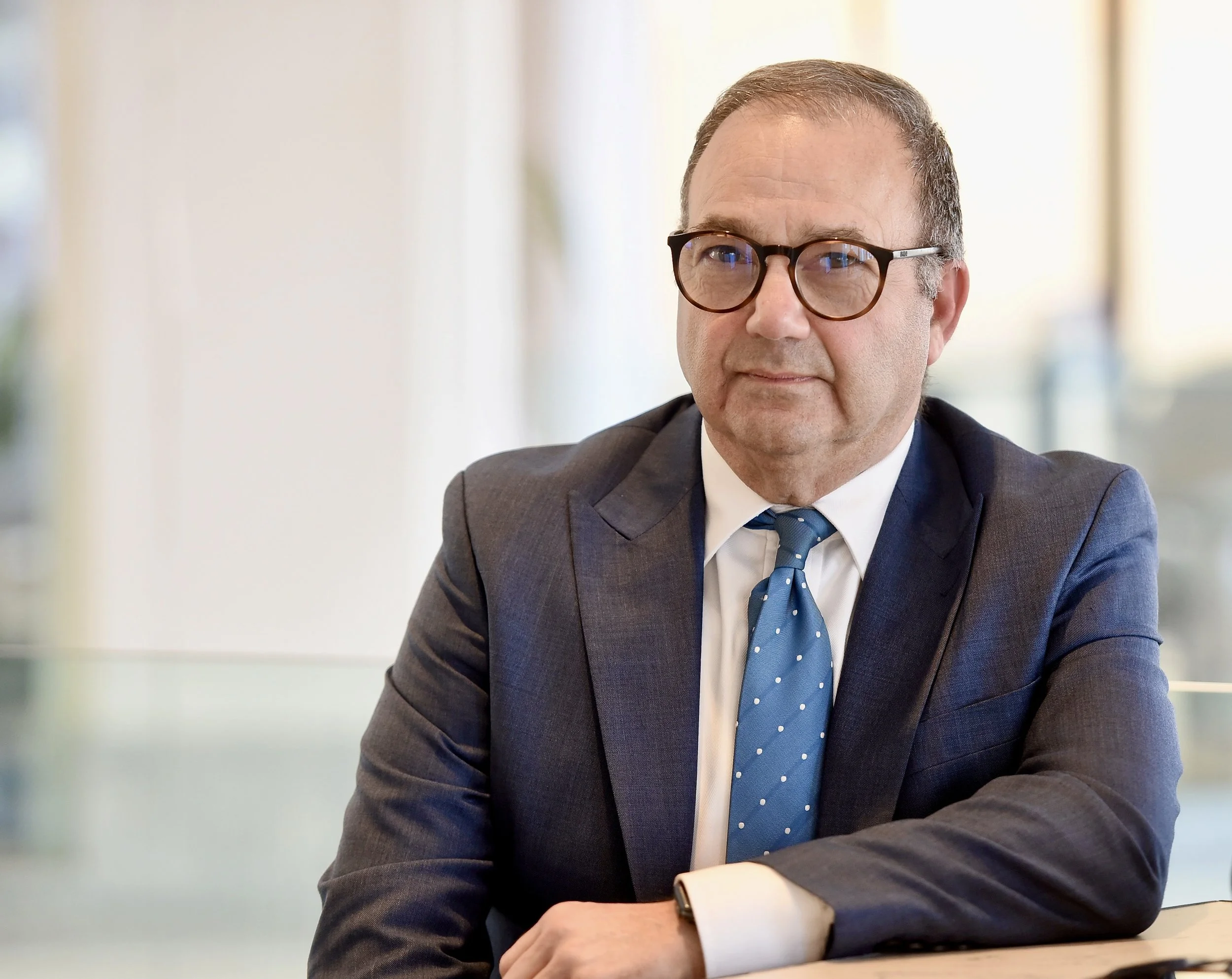
Przemyslaw Koger is Country Executive / Chief Executive Officer of Alter Domus Malta, part of the global Alter Domus network providing fund administration, depositary, corporate services, and technology solutions across nearly 4028 offices worldwide.









As Malta's property market matures, Zanzi's Steve and Michael Mercieca discuss technology, trust, governance and why the next decade will favour disciplined operators over growth-at-all-costs ambition.